
 Games
Games Game Series
 Guide
Guide
 简体中文
简体中文 हिन्दी
 한국어
한국어 Tiếng Việt
 ไทย
ไทยLost Chapter is a roguelite deckbuilder RPG developed by Almichadia and published by Dieselmine, released on July 17, 2023. On Steam, the game is positioned as a run-based card game where players climb higher floors while building their own deck through new cards, stat growth, and repeated attempts.
The game’s setup is built around a white-haired girl who wakes up in the abyss with only a small light and no memories, giving the adventure a darker and more mysterious tone than a standard fantasy card roguelite. That premise helps the game stand out, since it combines its deckbuilding structure with a more character-driven atmosphere and a clear narrative hook from the start.
What makes Lost Chapter especially notable is how it blends card-based roguelite progression with a high-difficulty climb structure. Public descriptions and community summaries consistently frame it as a game about pushing deeper into the abyss, improving your build, and adapting to increasingly punishing encounters floor by floor.
With its mix of dark fantasy atmosphere, roguelite deckbuilding, and progression-focused challenge, Lost Chapter offers a strong fit for players who enjoy card strategy games with a more intense and punishing edge.
You can buy this game here:
https://store.steampowered.com/app/2356470/Lost_Chapter/
And DLC ~ With you ~ here:
https://store.steampowered.com/app/2646640/Lost_Chapter_With_You/
If you’re looking for a brighter and more colorful take on roguelite deckbuilding, Take Me To The Dungeon is a great alternative—offering similar card-based progression but with a lighter fantasy tone and more playful presentation. On the other hand, if you prefer something darker with a more intense atmosphere and a 3D visual style, Last Evil is another excellent choice, delivering a deeper and more immersive deckbuilding experience.
The Story of Lost Chapter
Lost Chapter begins with a white-haired girl waking up in the abyss with no memories, holding on to only a small light in the darkness. That premise gives the game a much stronger narrative hook than a typical deckbuilder, because every run feels tied not only to survival, but also to the mystery of who she is and why she is there.
As the journey continues, the game gradually reveals more through events, endings, and route-based progression rather than through a long, traditional story campaign. Community guides for the game show that there are multiple endings and event outcomes, which suggests that the narrative is meant to unfold piece by piece across repeated runs instead of in a single straight line.
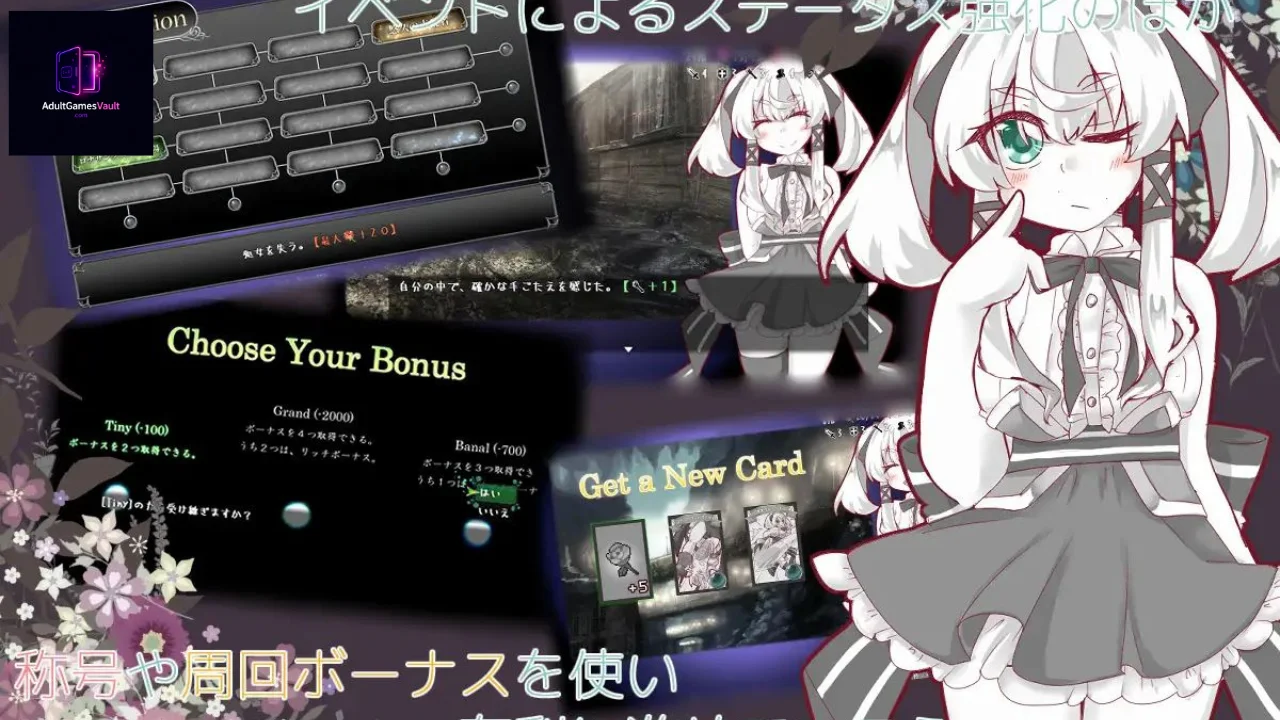
That structure fits the game’s atmosphere well. The abyss itself becomes part of the story, with each deeper climb feeling like another attempt to recover lost truths and push closer to understanding the girl’s situation. Instead of relying on a huge cast or an elaborate world map, Lost Chapter keeps the story focused on memory loss, descent, and discovery in a hostile dark fantasy space.
Overall, the story of Lost Chapter is built around an amnesiac heroine, a mysterious abyss, and repeated descents that slowly reveal more through events and endings, giving the game a more intimate and atmospheric narrative style than many other roguelite card games.
Lost Chapter Gameplay
The gameplay of Lost Chapter is centered on a roguelite deckbuilder structure, where players climb higher floors while creating a custom deck through cards, stat growth, and repeated attempts. Steam’s official description makes that core loop very clear: the goal is to keep advancing upward while shaping a build that can survive increasingly difficult encounters.
A major part of the system is build variation. Community guides show that the game includes different starting classes, which means players can begin runs with different strengths and approaches instead of always repeating the same setup. That gives the deckbuilding more replay value, since the strategy changes depending on the class and the choices made during the climb.
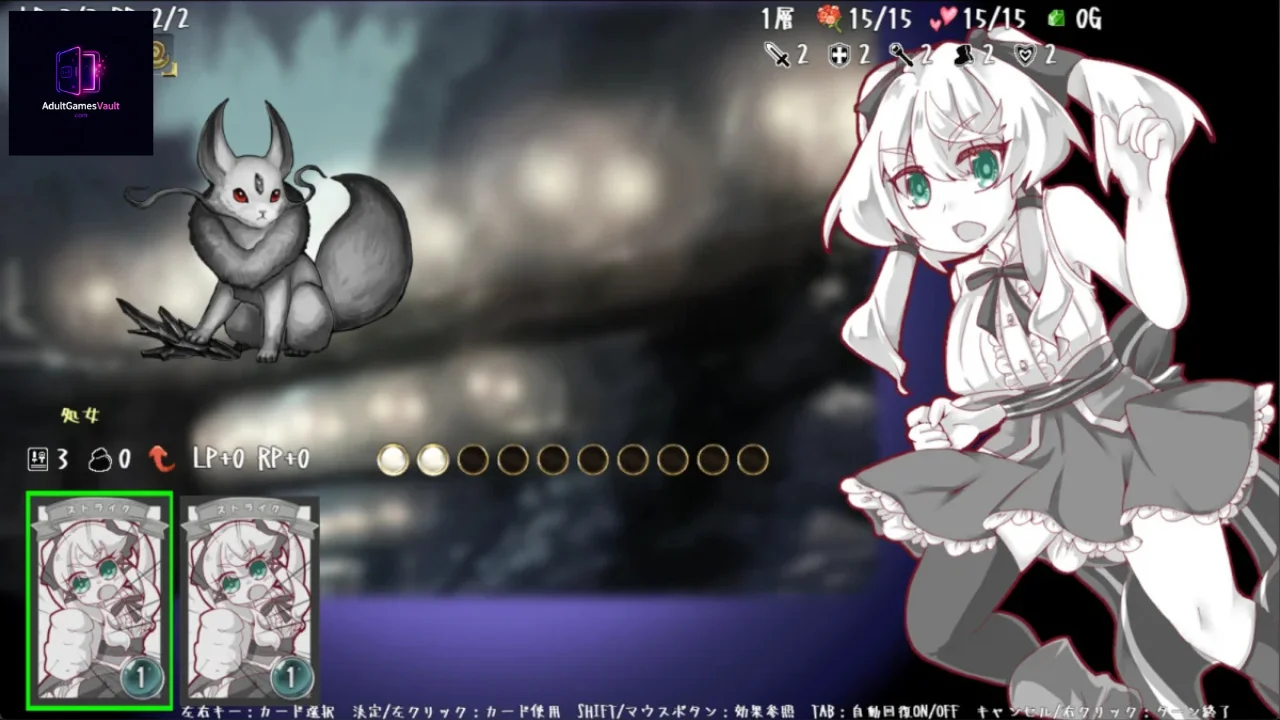
The game also appears to have a bonus and unlock system that carries value across runs. Steam community guides specifically discuss bonuses and progression-related mechanics, which suggests that Lost Chapter uses more than just one-off runs and instead gives players reasons to keep coming back, refine builds, and unlock advantages over time.
Bosses, events, and route decisions further shape the experience. Public guides for achievements and endings indicate that the game includes boss fights, event management, and branching outcomes, so the gameplay is not just about winning card battles, but also about navigating the overall climb efficiently and making the right decisions along the way.
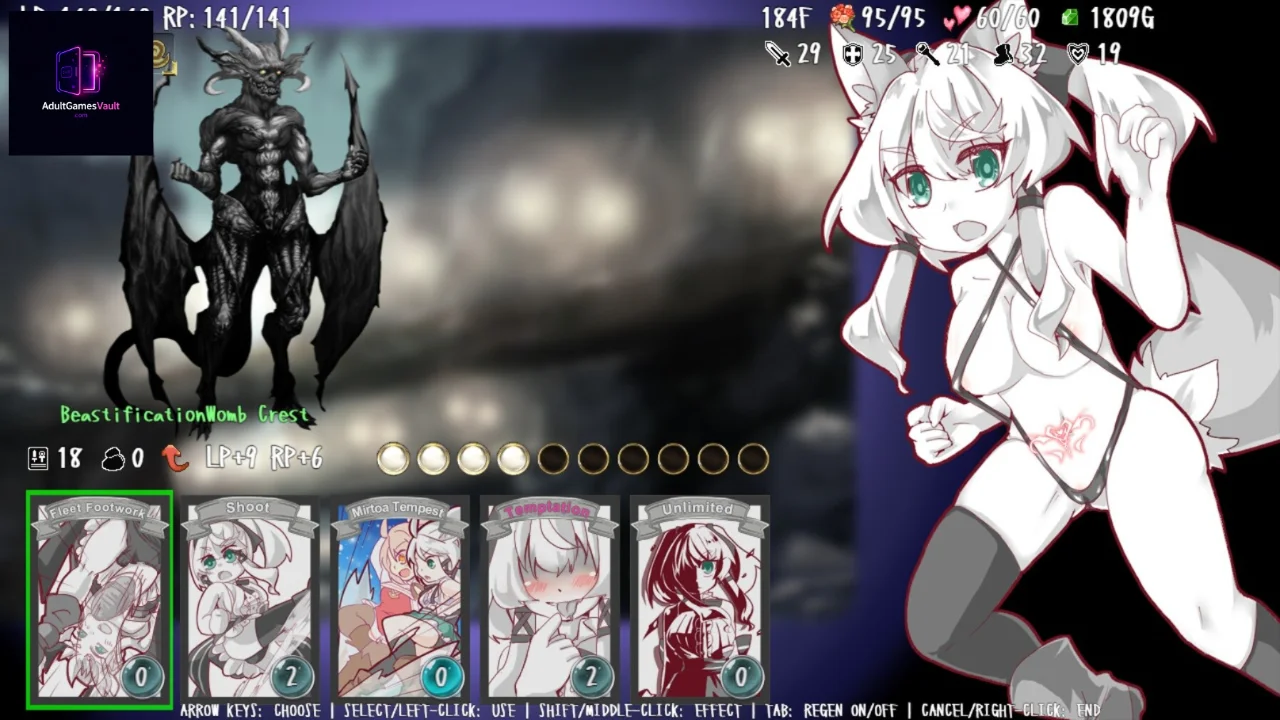
Overall, Lost Chapter delivers a gameplay loop built around deckbuilding, repeated climbs, class-based variety, and event-driven progression, making it a strong fit for players who enjoy punishing roguelite card games with a darker atmosphere.
Lost Chapter Review and Community Feedback
Lost Chapter appears to be best received by players who already enjoy roguelite deckbuilders with a punishing progression loop. Steam metadata and store mirrors consistently frame it around deckbuilding, roguelike progression, dungeon crawling, and replay value, which gives a pretty clear picture of the audience it is aimed at.
One of the game’s strongest points is its focused deckbuilding identity. Public descriptions highlight that each climb is built around creating your own deck, raising stats, and adapting floor by floor, which suggests a gameplay loop centered on experimentation and repeated runs rather than a one-time story playthrough. That kind of structure usually appeals most to players who enjoy optimizing builds and learning through failure.
The available community-facing materials also suggest that Lost Chapter has a meaningful amount of route and system depth. Steam community guides discuss things like events and endings, starting classes, and bonus systems unlocked across runs, which implies that players are engaging with the game beyond just basic card battles. That is usually a good sign for a roguelite, because it means the game has enough mechanical depth and branching structure to support repeat runs and guide-making.
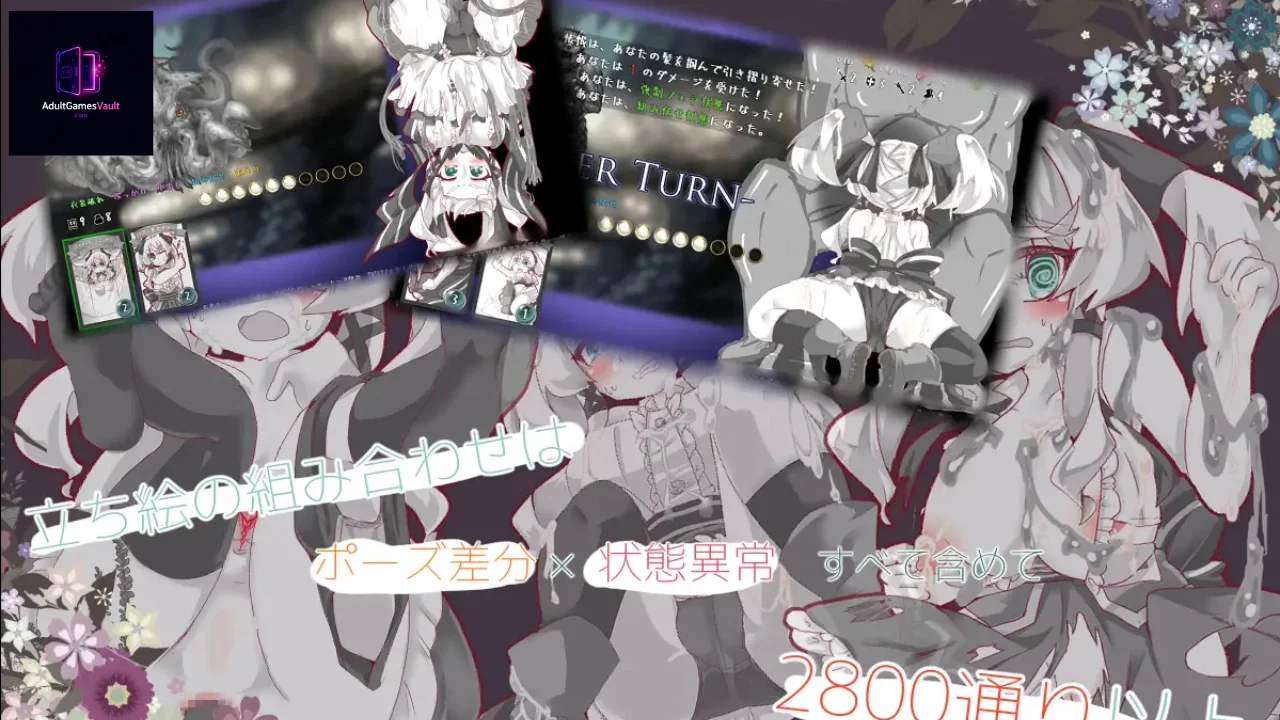
Another likely strength is the game’s dark fantasy atmosphere. The official description about a girl waking in the abyss with no memories gives it a more distinct tone than a generic fantasy card battler, and the Steam tag profile reinforces that darker presentation. For players who like roguelite deckbuilders with a moodier setting, that atmosphere is probably part of the appeal.
At the same time, the same design choices can make the game feel demanding and repetitive for players who are not already into the genre. Since the public-facing identity of the game leans so heavily on repeated runs, build variation, and climb-based progression, players looking for a more relaxed RPG or a heavily cinematic story may find it less approachable. That is not necessarily a flaw, but it does make Lost Chapter feel like a more niche title built for a specific kind of player.
Overall, Lost Chapter comes across as a solid niche roguelite deckbuilder with a strong dark fantasy hook, satisfying run-based structure, and enough system depth to support repeat play. It looks like the kind of game that will land best with players who enjoy card strategy, difficult climbs, and gradually mastering a punishing build-focused loop.
System Requirements for Lost Chapter
Before installing Lost Chapter, it’s worth checking the official hardware requirements. Steam’s public snippet lists the game as requiring Windows 8 / 8.1 / 10, a 3 GHz or faster processor, 8 GB RAM, a DirectX 10 compatible graphics card, DirectX 10, and 500 MB of available storage.
| Component | Minimum Requirements |
| Operating System | Windows 8 / 8.1 / 10 |
| Processor | 3 GHz or higher |
| Memory (RAM) | 8 GB RAM |
| Graphics | DirectX 10 compatible graphics card |
| DirectX | Version 10 |
| Storage | 500 MB available space |
Based on those requirements, Lost Chapter falls into the low-to-moderate requirement range. The RAM requirement is higher than many small 2D indie RPGs, but the very small storage footprint and simple graphics target suggest that most modern PCs should still handle it without much trouble.
If you are already able to run other indie roguelite deckbuilders on PC, Lost Chapter should be relatively easy to run as long as you meet the 8 GB RAM target and have a GPU with basic DirectX 10 support.
Conclusion
Overall, Lost Chapter delivers a dark fantasy roguelite deckbuilder experience built around repeated climbs, strategic deck construction, and gradual discovery. Its strongest appeal comes from the way it combines card-based progression, class variety, and event-driven routes into a gameplay loop that rewards experimentation and persistence.
One of the game’s biggest strengths is its focused identity. Instead of trying to be a huge RPG, it stays centered on the tension of each run, the satisfaction of building a stronger deck, and the mystery surrounding its amnesiac heroine and the abyss she must climb through. That gives the game a more atmospheric and personal feel than many standard card roguelites.
The gameplay may feel demanding for players who prefer a lighter or more story-forward RPG, but for fans of deckbuilding, difficult runs, and gradual mastery, Lost Chapter offers a rewarding structure with solid replay value.
For players looking for a niche roguelite card RPG with dark fantasy atmosphere and climb-based progression, Lost Chapter stands out as a strong choice.
Note: Lost Chapter version 2.07 is the English release, while version 2.10 is the Japanese release. For the Japanese version, you can use Mtool to translate the game and play it.