
 Games
Games Game Series
 Guide
Guide
 简体中文
简体中文 हिन्दी
 한국어
한국어 Tiếng Việt
 ไทย
ไทยZetria is a 2D pixel-art platformer developed by karnedraws that mixes action, puzzle-solving, and rescue-focused exploration. The official store description frames the game around Solana, a salvage and rescue operator who picks up a distress signal near the abandoned Zetrian system and lands on a dangerous exoplanet to investigate.
What makes the game stand out is its retro side-scrolling structure. Instead of being a large open-world RPG or a stat-heavy dungeon crawler, Zetria is built around jumping, shooting, navigating hazards, and uncovering secrets across handcrafted stages. The itch.io page describes it as a pixel/retro-style platformer with action and puzzle elements, while public store pages note that the game contains nine levels plus secret areas to unlock.
Another strong point is its hand-crafted presentation. The official description emphasizes fully handmade pixel art across the environments, enemies, and animated sequences, giving the game a very specific retro aesthetic rather than a generic indie look.
With its blend of platforming, light puzzle design, sci-fi rescue adventure, and detailed pixel-art style, Zetria looks like a strong fit for players who enjoy compact action-platformers with a more focused stage-based structure.
You can buy this game here:
https://store.steampowered.com/app/1960920/Zetria/
If you want something with a harsher atmosphere, more violence, and a bloodier sci-fi tone, CYAN BRAIN is a great follow-up—offering faster, more brutal side-scrolling action in a much darker setting. But if you prefer something a bit lighter and more nostalgic while still keeping that retro action appeal, Eris Dysnomia is also a strong choice.
The Story of Zetria
The story of Zetria follows Solana, a salvage and rescue operator who receives a distress signal coming from the long-abandoned Zetrian system. What begins as a rescue mission quickly turns into something more dangerous when she lands on a hostile exoplanet filled with traps, strange technology, and hidden threats.
As Solana pushes deeper into the planet, the mission shifts from a simple investigation into a fight for survival. Each new area reveals more about what happened in the Zetrian system and why the distress signal was sent in the first place. Rather than telling everything through long cutscenes, the game lets the mystery unfold through exploration, level progression, and the environments themselves.
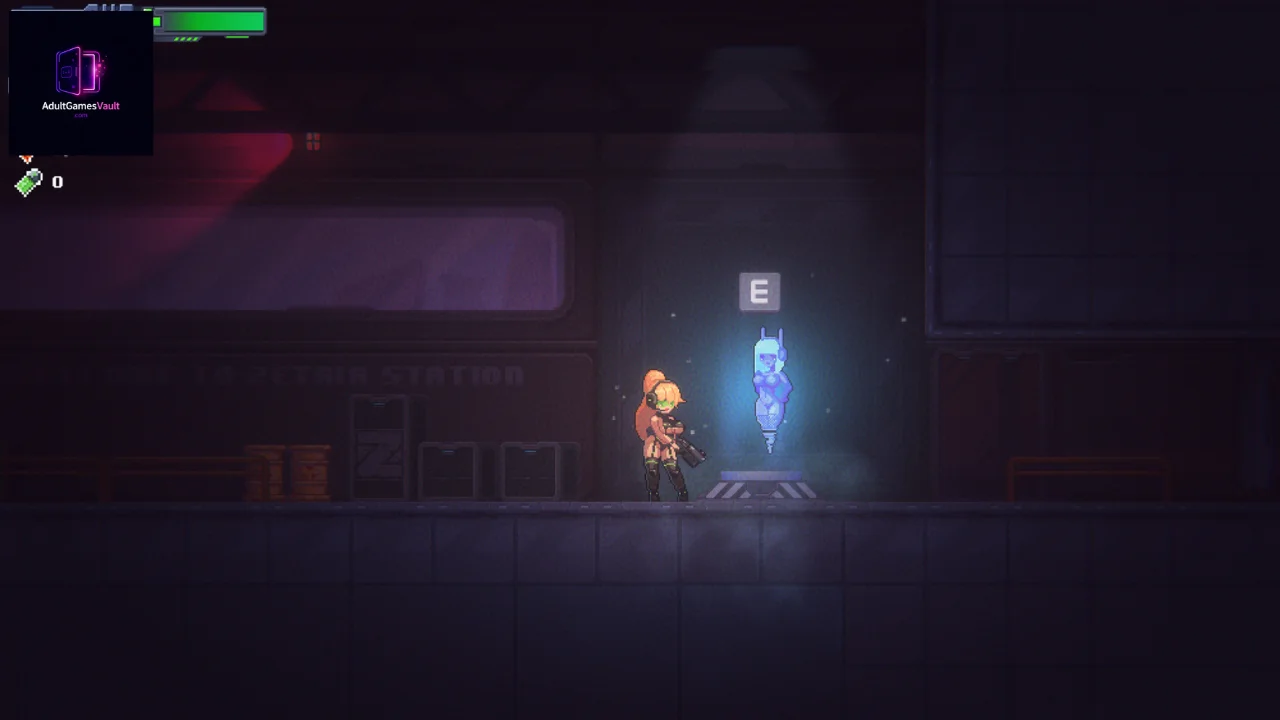
Because the game is built like a retro platforming adventure, the story stays fairly focused. It is less about a huge branching narrative and more about moving forward, surviving the planet, and uncovering the truth behind the signal. That structure works well with the game’s sci-fi atmosphere, since the sense of danger and isolation becomes part of the storytelling.
Overall, Zetria tells a compact sci-fi rescue story about entering a lost system, facing unexpected danger, and gradually uncovering the secrets hidden within a ruined world.
Zetria Gameplay
The gameplay of Zetria is built around side-scrolling platforming, shooting, and light puzzle-solving. Instead of focusing on RPG stats or open-world progression, the game keeps things tighter and more arcade-like, with each level built around movement, hazards, enemies, and environmental obstacles.
At the center of the experience is platforming. Players guide Solana through dangerous stages filled with jumps, traps, and hidden routes, so timing and movement matter just as much as combat. Because the game is structured around handcrafted levels, progression feels more like clearing one dangerous zone at a time than wandering freely through a giant map.
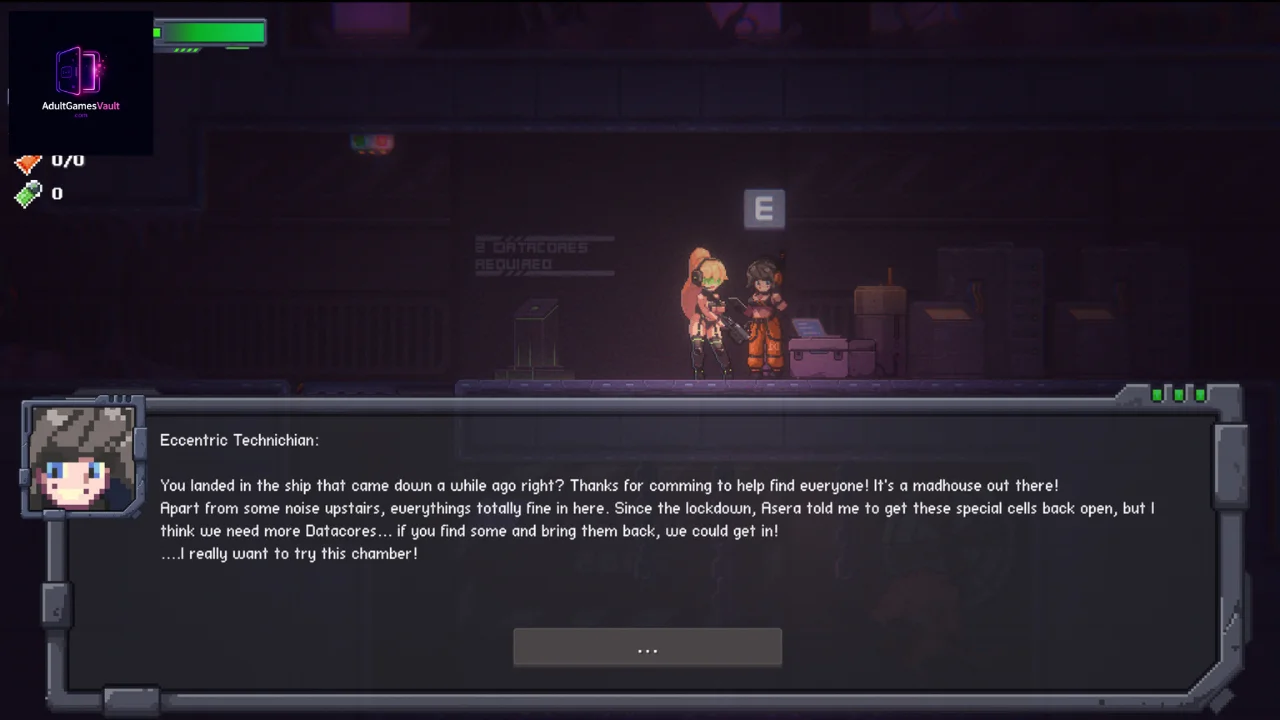
Combat is also an important part of the loop. Solana has to shoot enemies and survive hostile encounters while navigating the environment, which gives the game a steady action rhythm instead of making it a pure puzzle platformer. The challenge comes from balancing movement and offense while pushing deeper into each stage.
Another key element is exploration and secret hunting. Since the game includes hidden areas, players are encouraged to look beyond the obvious path, which adds replay value and makes the levels feel more rewarding to fully explore.
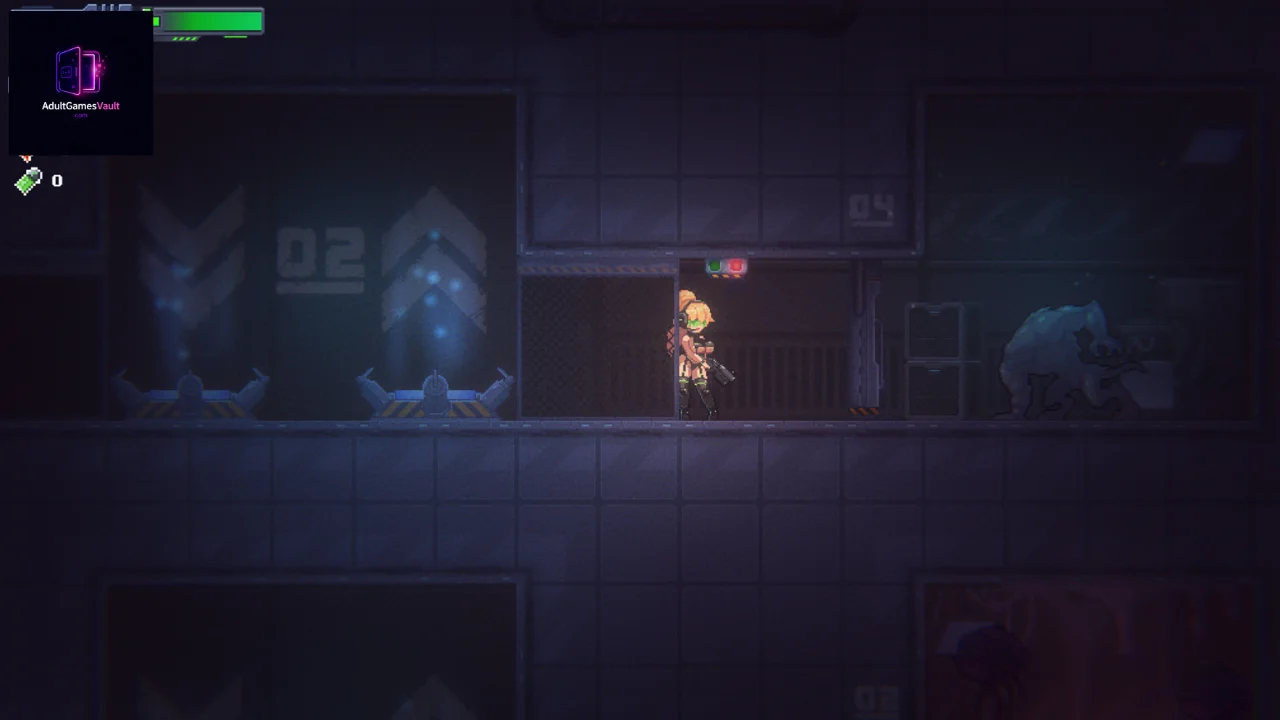
Overall, Zetria delivers a gameplay experience centered on retro platforming, stage-based action, and focused sci-fi exploration, making it a good fit for players who enjoy compact 2D adventures with a handcrafted feel.
Zetria Review and Community Feedback
Zetria seems to leave players with a mixed-but-understandable impression: the biggest praise consistently goes to its pixel art, retro presentation, and overall atmosphere, while the biggest criticism tends to focus on gameplay feel and control precision. A public Steam recommendation describes it as a short, functional pixel-art adventure that is worth its low price largely because of the sprites and presentation, even while admitting the gameplay is not especially groundbreaking.
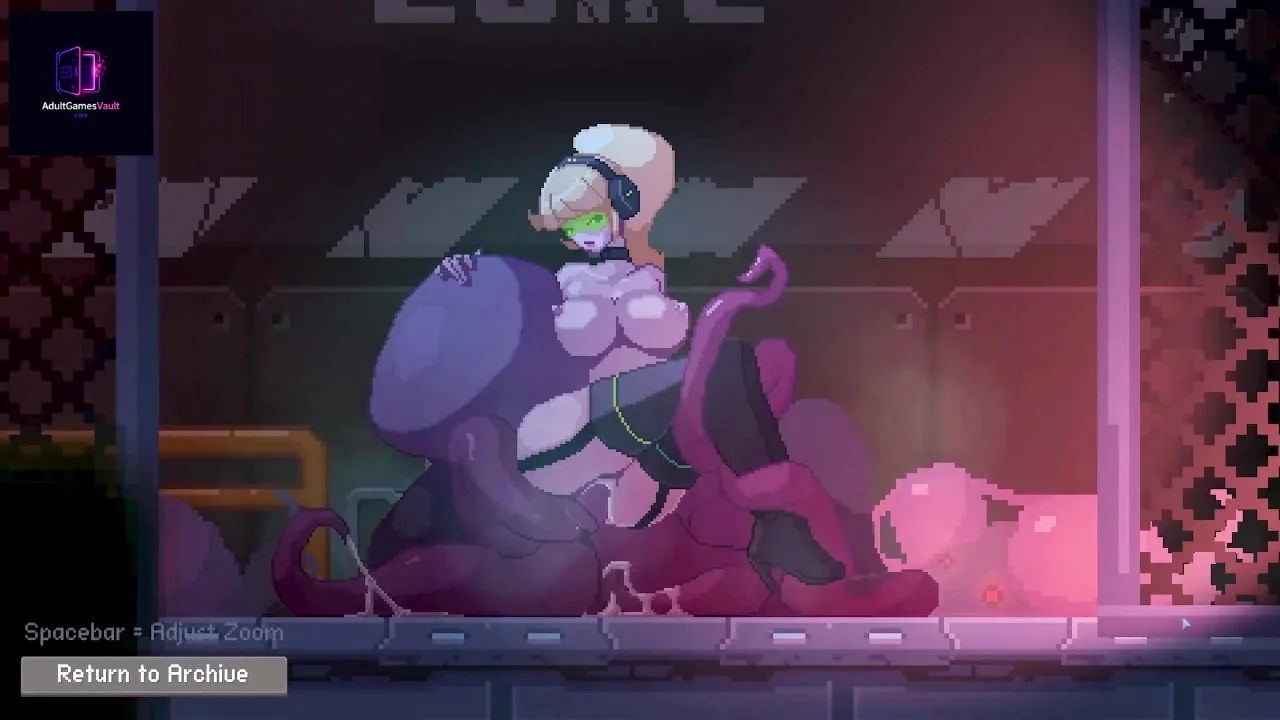
One clear strength is the game’s visual identity. The official store and itch.io pages both emphasize that the environments, enemies, and scenes are built with handcrafted pixel art, and Steam-facing feedback supports the idea that this is one of the main reasons players notice the game in the first place. For players who like retro side-scrollers with a distinct handmade look, that presentation seems to be a real selling point.
Another point that comes through is that Zetria appears to work best as a small, straightforward platforming adventure rather than a deep action-platformer masterpiece. Steam review text describes it as short and easy enough not to become tedious, which suggests the game’s modest scope actually helps it for players who are happy with a compact run rather than a huge content-heavy experience.
At the same time, the biggest weakness in public feedback is clearly the moment-to-moment gameplay feel. Steam community snippets criticize the controls and movement, especially the jumping, with one review calling the gameplay “abysmally dull” and a discussion post specifically saying the jump feels frustrating and unreliable despite the nice artwork. That kind of complaint matters a lot in a platformer, because movement is the core of the experience.
Overall, Zetria comes across as a visually appealing niche pixel-art platformer whose strongest selling point is its art style and compact retro adventure feel, while its biggest drawback is that some players find the actual platforming and controls weaker than the presentation deserves. For players who prioritize atmosphere, sprite work, and short handcrafted platformers, it can still be a worthwhile pick, but players who are very sensitive to control feel may want to approach it more cautiously.
System Requirements for Zetria
Before installing Zetria, it’s worth noting that this is a very lightweight 2D pixel-art platformer rather than a demanding 3D action game. The official itch.io release page lists the Windows build at 183 MB and the macOS build at 65 MB, which already suggests the game sits in the low-spec indie range.
| Component | Practical Minimum Requirements | Safer Recommended Requirements |
| Operating System | Windows 7 / 8 / 10 | Windows 10 |
| Processor | Intel Core 2 Duo or equivalent | Intel Core i3 or higher |
| Memory (RAM) | 2 GB RAM | 4 GB RAM |
| Graphics | Integrated graphics | Any modern GPU |
| DirectX | Version 9.0c | Version 11 |
| Storage | 500 MB available space | 1 GB available space |
That estimate fits the game’s public profile well: Zetria is presented as a retro-style 2D platformer with action and puzzle elements, and both its downloadable build size and compact stage-based structure point to a game that should run comfortably on most modern laptops and entry-level PCs.
Overall, Zetria should be treated as a low requirement platformer. If your PC already handles smaller pixel-art indie games without trouble, it should be more than enough for this one.
Conclusion
Overall, Zetria comes across as a compact retro sci-fi platformer that succeeds most through its handcrafted pixel art, focused level structure, and rescue-mission atmosphere. Rather than trying to be a huge exploration game or a system-heavy RPG, it keeps the experience centered on platforming, shooting, and moving steadily through a dangerous alien world.
One of its strongest points is clearly its visual presentation. The pixel art gives the game a distinct identity, and that style helps the abandoned Zetrian setting feel more memorable than its small scale might suggest. For players who value atmosphere and handcrafted retro aesthetics, that alone is a big part of the appeal.
At the same time, the game is probably best approached as a small, niche action-platformer rather than a major must-play indie. Its compact size and focused design can work in its favor, but players who care a lot about precise control feel may find it less impressive than the art suggests.
For players looking for a short pixel-art sci-fi platformer with shooting, exploration, and a handmade retro look, Zetria still stands out as a worthwhile niche title.