
 Games
Games Game Series
 Guide
Guide
 简体中文
简体中文 हिन्दी
 한국어
한국어 Tiếng Việt
 ไทย
ไทยWhen we talk about the pioneers of the 3D adult gaming industry, the name Illusion inevitably takes center stage. For decades, this developer was the undisputed king of 3D simulation, pushing technical boundaries with every release. Among their vast library, SchoolMate (released in 2007) stands out as a significant turning point in the company’s history. It was the moment Illusion decided to pivot away from their traditional realistic 3D models and embrace the real-time 3D anime shader—a move that would eventually pave the way for modern hits like Koikatsu.
As one of Illusion’s early anime-style experiments, SchoolMate laid the groundwork for future titles, later evolving into more refined experiences like SchoolMate Sweets and ultimately SchoolMate 2, where the concept was fully realized with improved visuals and deeper interaction systems.
SchoolMate isn’t just a game; it was a technical manifesto for a new era of school-themed simulators. It managed to blend the aesthetics of a high-quality anime series with the interactive depth that only a 3D engine can provide. For many fans, this title represents a nostalgic “golden age” of the mid-2000s, where the goal was to create a digital world that felt like a living, breathing high school romance. Whether you are a veteran of the “eroge” scene or a curious newcomer, understanding the impact of SchoolMate is essential to seeing how far the genre has come.
The Story of SchoolMate
The narrative of SchoolMate takes place on the scenic and somewhat mysterious Kimikage Island. You step into the shoes of Kazuki Himura, a young man who has spent years away from his birthplace. The story begins when Kazuki transfers into Himeyuri Academy, a school nestled in the heart of the island. However, this isn’t just a simple homecoming; Kazuki’s return is clouded by a fragmented past. When he was a young child, a major island-wide disaster claimed the life of his mother, an event that left deep scars and wiped away many of his early memories.

As Kazuki settles into his new life, he is reunited with his childhood friend, Yume Yanase. Yume is the quintessential girl-next-door—blonde, red-eyed, and incredibly caring, though she often hides her own loneliness behind a cheerful facade. The tragedy that affected Kazuki’s family also touched hers, as Kazuki’s mother was the one who cared for Yume after her own mother passed away. This shared history creates an immediate, palpable tension between them. Yume clearly harbors deep feelings for Kazuki, but she is terrified that moving their relationship forward might disrupt the precious bond they already have.
Beyond the initial reunion with Yume, the story expands as Kazuki meets four other female students, each bringing their own distinct personality and secrets to Himeyuri Academy. The island itself acts as a silent character in the background, with ancient clans and local traditions hinting at a deeper lore that Kazuki has little interest in at first. Unlike many previous Illusion titles that were purely sandbox-driven, SchoolMate introduced a structured Story Mode for each heroine. These paths are presented in a visual novel format, where the player clicks through scenes to experience the daily lives, heartaches, and blossoming romances of the characters.
The narrative focuses heavily on the “slow-burn” of high school life. You experience the awkwardness of school rooftop lunches, the tension of after-school clubs, and the quiet moments of reflection on the island’s beaches. The goal of the story isn’t just about conquest; it is about uncovering the missing pieces of Kazuki’s memory and helping these girls navigate their own personal struggles. By the time you reach the final chapters of a specific route, the emotional stakes feel genuine, turning a 3D simulator into a legitimate tale of reconciliation and finding one’s place in the world again.
SchoolMate Gameplay Mechanics
The gameplay of SchoolMate is a unique hybrid of interactive fiction and 3D simulation. When you first launch the game, you are required to start in the Story Mode. In this phase, the gameplay feels very much like a traditional visual novel. You navigate through various scenes, making occasional choices that determine which girl Kazuki spends his time with. This mode is essential because it serves as the gatekeeper for the rest of the game’s content. You cannot access the deep interactivity features until you have successfully progressed through a character’s specific story chapters.

Once you have unlocked a character’s path, the game opens up into its famous Interactivity Mode. This is where Illusion’s 3D engine truly shines. You can choose different settings within the school or the island, select how the character is dressed, and engage in real-time 3D interactions. One of the most praised additions in SchoolMate was the Point System. By progressing through the game and interacting with the characters, you earn points that can be spent in the Shop Mode. This allowed players to “purchase” a massive variety of clothing, from classic sailor uniforms and gym kits to more elaborate costumes, adding a layer of progression and customization that was ahead of its time.
The 3D interactivity itself was revolutionary in 2007. Because the game used a Real-Time Anime Shader, the characters looked consistently like 2D illustrations regardless of the camera angle. The game offered a high degree of control over the “camera center point” and background objects, allowing players to create their own cinematic scenes. Furthermore, the game introduced a Technique Unlocking System. Certain interactions and “encounters” are required to unlock advanced skills and poses. For example, reaching the “3rd Chapter” of a girl’s story typically requires at least 12 successful interactions, ensuring that the gameplay feels like a continuous journey rather than a static experience.
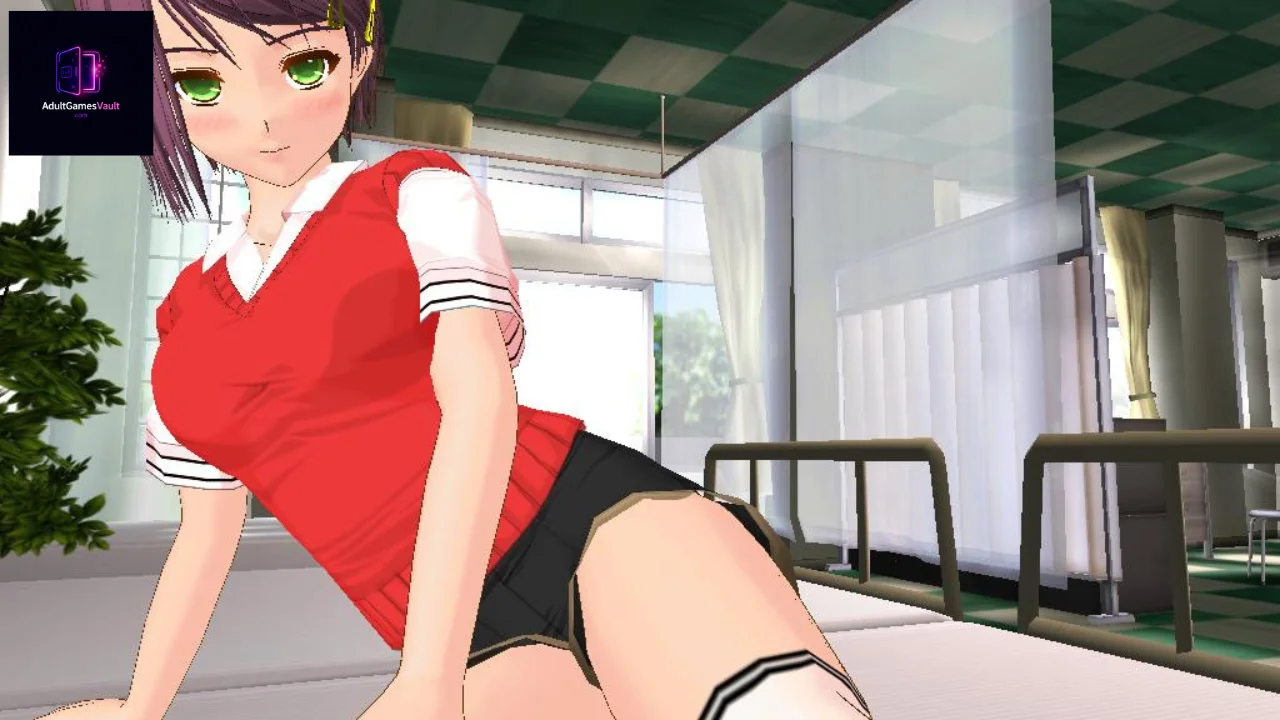
Customization in SchoolMate goes beyond just clothes. The Styling menu allows for detailed adjustments to hair, accessories, and even specific environmental factors. The game also featured a “Special Mode” that could randomly change certain character attributes, adding an element of surprise to the simulation. While the combat or “quest” mechanics found in modern RPGs are absent here, the depth of the social and physical simulation provided a different kind of challenge. You had to balance the character’s mood and the environment to achieve the best results, making the gameplay a delicate dance of management and observation.
SchoolMate Review and Community Feedback
Upon its release, SchoolMate received a warm and highly positive reception from the niche community of 3D simulator enthusiasts. The most frequently praised aspect was, without a doubt, the visual shift. At a time when most 3D adult games were struggling with “uncanny valley” realistic models that looked stiff and plasticky, SchoolMate’s vibrant anime aesthetic felt like a breath of fresh air. Players loved that the characters actually looked like the 2D art on the box cover. The community often remarked that Illusion had finally found a style that matched the “moe” culture of the era.
Another element that garnered significant praise was the Point-based Shop System. Before SchoolMate, many simulators simply gave the player all the assets at once or locked them behind obscure cheats. The ability to “earn” new outfits through gameplay gave the experience a sense of purpose and longevity. Community feedback from the late 2000s often highlighted that they spent dozens of hours just trying to unlock every accessory for their favorite girl. The user interface was also noted for being clean and intuitive, making it one of the most accessible Illusion titles for international players, even before unofficial English patches were widely available.
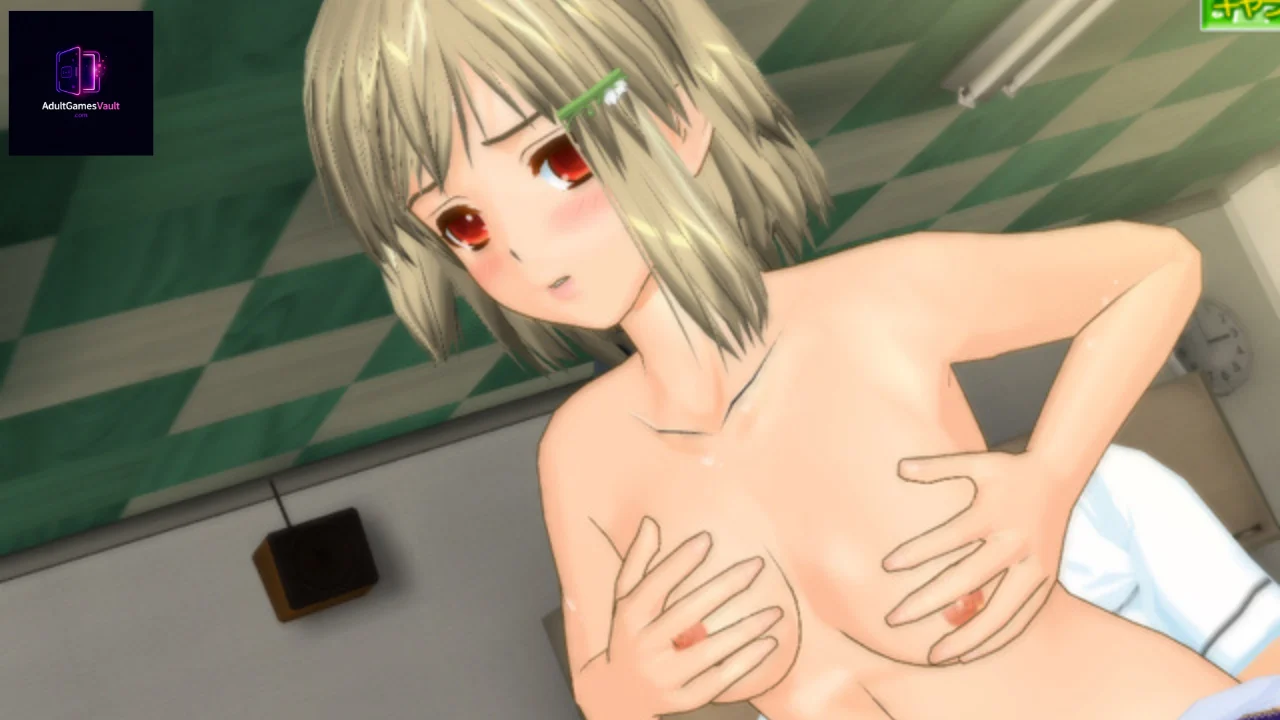
However, the game was not without its criticisms. Some veteran players found the “Story Mode lock” to be frustrating. They argued that having to click through hours of dialogue just to unlock the simulation features was a hindrance to the “sandbox” freedom they expected from an Illusion title. Additionally, some community members felt that the gameplay loop was a bit thin compared to the more mechanically complex Artificial Girl series. While the visuals were a step up, the actual “AI” of the characters was considered somewhat predictable once you understood the basic patterns of interaction.
In the years following its release, SchoolMate became a cult classic, spawning a direct sequel (SchoolMate 2) in 2010 which further refined the engine. Even today, the community looks back at the original as the “grandfather” of the modern 3D anime style. When Illusion announced its shutdown in August 2023, many fans revisited SchoolMate, noting that despite being nearly two decades old, the art direction and charm still hold up remarkably well. It is remembered not just as a game, but as the moment the industry realized that 3D anime was the future of digital romance.
System Requirements for SchoolMate
Since SchoolMate is a title from 2007, its official requirements are incredibly low by today’s standards. However, if you are planning to run it on a modern machine (Windows 10 or 11), there are some technical hurdles you should be aware of regarding compatibility and regional settings.
| Component | Minimum Requirements | Recommended Requirements |
| Operating System | Windows 2000 / XP | Windows Vista / 7 / 8 / 10 / 11 |
| Processor | Pentium 4 2.0 GHz or higher | Pentium 4 3.0 GHz or higher |
| Memory (RAM) | 512 MB RAM | 1 GB RAM or more |
| Graphics | DirectX 9.0c compatible | NVIDIA GeForce 6 series or equivalent |
| VRAM | 128 MB VRAM | 256 MB VRAM or higher |
| Storage | 2 GB available space | 3 GB available space |
Technical Note for Modern Users: Because the game was designed exclusively for the Japanese market, it often fails to launch or display text correctly on Western systems. You will likely need to use a Locale Emulator or change your System Locale to Japan. Additionally, the game only supports 4:3 aspect ratios natively (such as 1024×768), so you may need community-made patches to run it at higher, widescreen resolutions without stretching the image.
Conclusion
Ultimately, SchoolMate is a fascinating piece of gaming history that marks the transition of Illusion into the 3D anime powerhouse it would eventually become. It successfully combined a heartfelt, mystery-laden story of a transfer student on a secluded island with a cutting-edge 3D engine that breathed life into the anime aesthetic. By focusing on the emotional bonds between Kazuki and the girls of Himeyuri Academy, the game offered more than just a simulation; it offered a digital “slice of life” experience that resonated with thousands of fans worldwide.
While the technical limitations of 2007 are apparent in its resolution and fixed camera points, the core charm and customization depth remain impressive even by modern standards. It paved the way for sequels and inspired a whole generation of developers to explore the potential of 3D anime shaders. If you are looking for a game that captures the soul of mid-2000s anime culture and combines it with a robust customization system, the journey to Kimikage Island is one that is well worth taking. It stands as a vibrant testament to Illusion’s legacy—a legacy of innovation, beauty, and the pursuit of the perfect digital companion.