
 Games
Games Game Series
 Guide
Guide
 简体中文
简体中文 हिन्दी
 한국어
한국어 Tiếng Việt
 ไทย
ไทยX-Angels is a rogue-lite card battle RPG developed by Barance Studio and published by Mango Party / Barance Studio / Mango Party News, released on June 21, 2024 for PC on Steam. The official Steam page describes it as a game where you use “the power of your virginity” to fight against the corrupt Angels ruling Phoenix City, which immediately gives it a much more unusual hook than a standard deckbuilder.
What makes the game stand out most is its clear genre identity. Public store listings consistently frame it as a roguelike deckbuilder with card-battle progression rather than a broad exploration-heavy RPG. SteamSpy and Raijin both classify it under combinations of RPG, Strategy, Adventure, Simulation, and roguelike deckbuilding, which fits the impression of a compact run-based game built around repeat attempts and deck growth.
The game also appears to have found a solid niche audience. Tracking pages currently place X-Angels in the Very Positive range on Steam, with review data around 89–90% positive, suggesting that its combination of card-battle structure and distinctive premise has landed well with players looking for a smaller, focused deckbuilding title.
With its blend of rogue-lite progression, deckbuilding combat, and a darker superhero-style setup, X-Angels looks like a strong fit for players who enjoy run-based card games with a more eccentric and provocative premise.
You can buy this game here:
https://store.steampowered.com/app/2090810/XAngels/
If you enjoy the run-based deckbuilding and dark, offbeat setup of X-Angels, then Half-Demon Shinobi is a great follow-up for players who want a faster action-focused roguelite with a supernatural edge. Dead-End City Blues OD Edition is another strong option if you prefer a grimmer cyberpunk setting and a more dystopian, story-driven card battle structure. And if you want something harsher and more survival-oriented, DEAD END COLOSSEUM offers a brutal combat-focused RPG experience built around high-stakes arena progression.
The Story of X-Angels
The story of X-Angels is set in Phoenix City, a place ruled by powerful and corrupt Angels who control the city from above. Instead of presenting them as heroic protectors, the game turns them into the central threat, giving the setting a darker and more rebellious tone right from the start.
At the center of the narrative is a protagonist who rises up against this system and begins fighting back using an unusual source of power. That premise gives the story a more eccentric identity than a standard fantasy deckbuilder, but beneath that hook, the core structure is still built around resistance, survival, and overthrowing the forces that dominate the city.

Because X-Angels is framed as a rogue-lite card battle RPG, the story likely unfolds through repeated runs, encounters, and event-based progression rather than through one long, linear campaign. That kind of structure fits the setting well, since each attempt can feel like another push against the Angels’ control and another step toward understanding the city and its rulers more fully.
Overall, X-Angels tells a dark urban rebellion story about fighting back against corrupt Angels in a city under their control, giving the game a strong narrative hook that supports its run-based deckbuilding structure.
X-Angels Gameplay
The gameplay of X-Angels is built around a rogue-lite deckbuilding structure, where each run challenges players to fight through enemies, improve their deck, and gradually push further into Phoenix City. Instead of relying on a fixed battle setup, the game revolves around repeated attempts, build experimentation, and adapting to what each run gives you.
At the center of the experience is the card battle system. Players use cards to attack, defend, and trigger different effects during combat, making deck composition one of the most important parts of progression. Since the game is designed around repeat runs, success depends not only on winning battles, but also on building a deck that works efficiently over time.
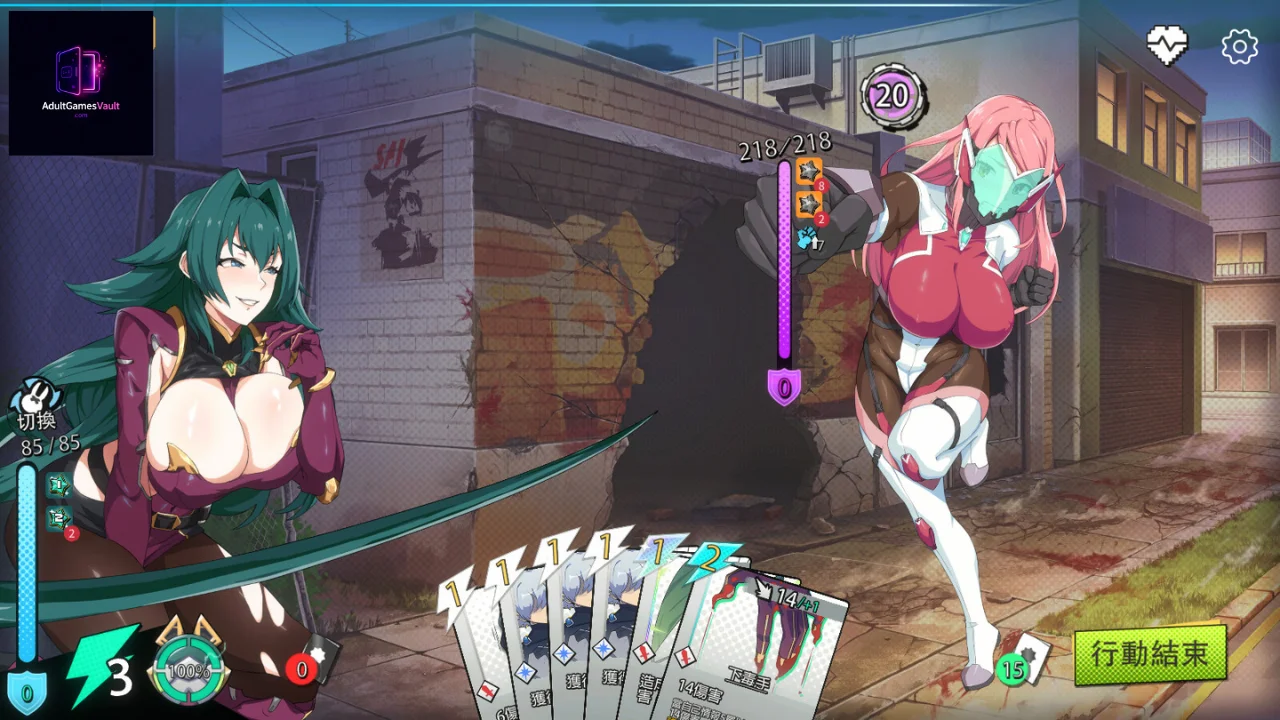
Another major strength of the game is its build variety. One of the reasons X-Angels works as a roguelite is that players can shape runs in different ways, creating new combinations and adjusting strategies depending on what cards and upgrades appear. That makes the gameplay feel more flexible than a simple turn-based RPG with static skills.
The game also leans into run-based progression. Each attempt functions as another chance to improve, understand enemy patterns, and refine deck choices. This gives the game strong replay value, since progress comes from both system mastery and build experimentation rather than just finishing one linear campaign.
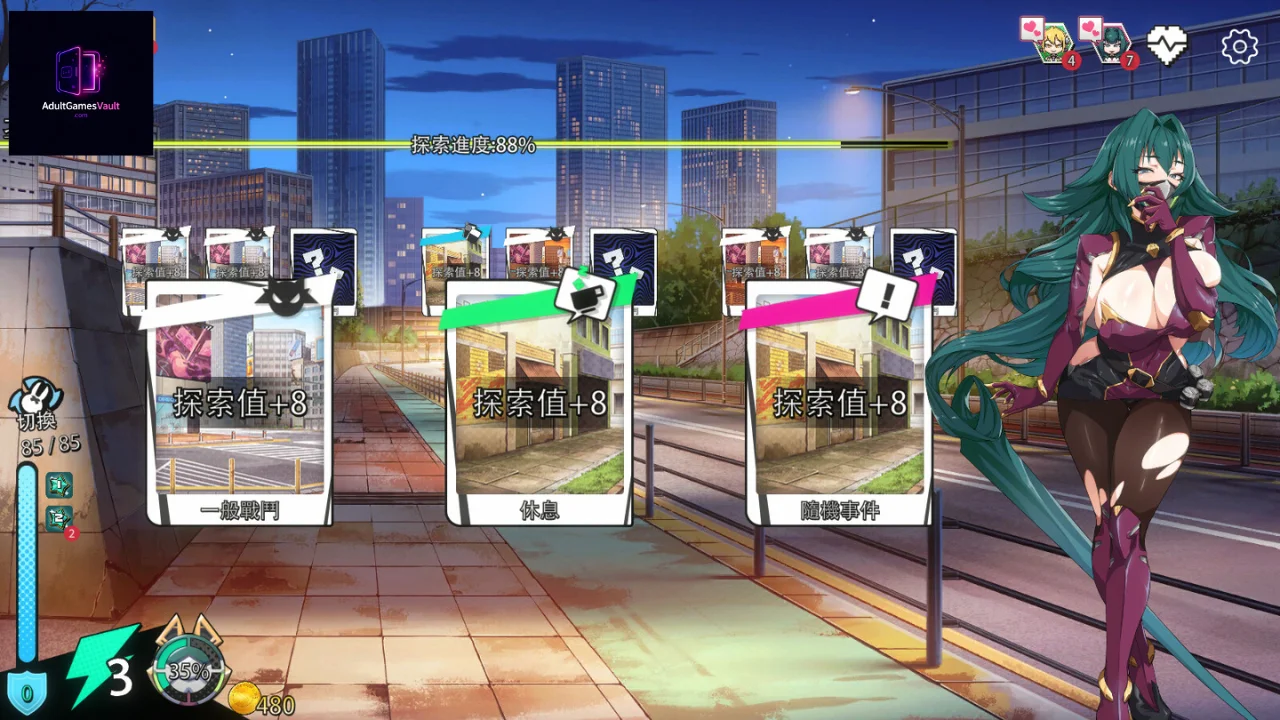
Overall, X-Angels delivers a gameplay loop centered on card battles, repeated runs, and deck optimization, making it a strong fit for players who enjoy roguelite progression and strategy-heavy combat.
X-Angels Review and Community Feedback
X-Angels has been received quite well on Steam-facing trackers. Raijin currently lists the game as Very Positive with an 89% review score from 624 reviews, which suggests it has found a solid audience within the roguelite deckbuilder niche.
One of the game’s biggest strengths appears to be its clear deckbuilding identity. Public store metadata and tags consistently frame it as a Roguelike Deckbuilder, which fits the impression that players are responding mainly to its run-based structure, build experimentation, and card-battle progression rather than to broad exploration or a huge RPG world.
Another likely reason the game works is its strong premise and presentation. The official description’s hook about fighting the corrupt Angels of Phoenix City gives it a more eccentric and memorable setup than a standard card battler, while its anime-styled presentation helps it stand out visually among smaller deckbuilders. Based on its public profile, the game seems to succeed by combining that unusual theme with a familiar but satisfying loop of repeated runs and deck refinement.

At the same time, X-Angels still looks like a specialized niche title rather than a broad-appeal strategy game. Because its identity leans so heavily into roguelite card progression, players who want a more story-heavy RPG or the deeper long-term complexity of the biggest deckbuilding names may find it lighter in scope. That said, the review score suggests most players coming in for a focused anime roguelite deckbuilder are leaving satisfied.
Overall, X-Angels comes across as a well-liked roguelite deckbuilder whose biggest selling points are its strong build-based replay loop, distinctive premise, and accessible card-battle structure. For players who already enjoy smaller run-based deckbuilders, the current community response suggests it is a solid pick.
System Requirements for X-Angels
Before installing X-Angels, it’s worth checking the hardware requirements because the game sits a little above the lightest 2D indie titles. Public Steam-facing snippets show that the game requires a 64-bit processor and operating system, with a minimum target of Windows 7 64-bit, Core i3, 2 GB RAM, HD Graphics, and 2 GB available space. Third-party Steam tracking pages also list a higher recommended target of Windows 10 64-bit, Core i5, 4 GB RAM, HD Graphics, and 3 GB available space.
| Component | Minimum Requirements | Recommended Requirements |
| Operating System | Windows 7 64-bit | Windows 10 64-bit |
| Processor | Core i3 | Core i5 |
| Memory (RAM) | 2 GB RAM | 4 GB RAM |
| Graphics | HD Graphics | HD Graphics |
| Storage | 2 GB available space | 3 GB available space |
| Additional Notes | Requires a 64-bit processor and OS | Requires a 64-bit processor and OS |
Based on those specs, X-Angels falls into the low requirement range. It should run on most modern laptops and entry-level PCs without much trouble, especially if they already handle smaller roguelite deckbuilders and other lightweight indie strategy games.
In practical terms, the safest target is a machine with 4 GB RAM and a basic modern Windows 10 64-bit setup, even though the minimum requirement is lower. That gives you a bit more headroom for smoother overall performance during longer runs and repeated deckbuilding sessions.
Conclusion
Overall, X-Angels looks like a well-received roguelite deckbuilder that stands out through its run-based structure, clear build variety, and unusual premise. Steam-facing sources and third-party trackers both place it in the Very Positive range, which suggests it has connected strongly with players who enjoy smaller card-battle games with a distinct theme.
One of the game’s biggest strengths appears to be its readable progression loop. Public store text and player feedback both point to a system where builds are easy to recognize and shape over time, making each run feel more deliberate instead of overly random. That gives the game a strong identity for players who enjoy experimenting with decks and refining strategies across repeated attempts.
At the same time, X-Angels still seems best suited to players who already like roguelite card games. Some public criticism suggests that while the game is solid overall, it may not match the depth or long-term complexity of the very top deckbuilders in the genre. That means its appeal is strongest as a focused niche title rather than a genre-defining heavyweight.
For players looking for a stylized anime roguelite deckbuilder with strong replay structure and a darker superhero-like setup, X-Angels comes across as a solid and memorable pick.