
 Games
Games Game Series
 Guide
Guide
 简体中文
简体中文 हिन्दी
 한국어
한국어 Tiếng Việt
 ไทย
ไทยWild Life is an open-world adult RPG developed by Adeptus Steve, built around exploration, combat, survival elements, and sandbox-style interaction. The game follows Maya and Max as they explore a mysterious world, encounter the native Kerpali, and uncover the reason behind Maya’s unusual nature. The official Steam and itch.io pages both describe it as a large-scale fantasy/sci-fi RPG with a strong emphasis on open-ended play.
One of the biggest reasons Wild Life stands out is its ambition. Compared to smaller niche RPGs, it leans much harder into high-end 3D presentation, open environments, and a separate sandbox component. The project’s official site also frames it as a mix of story-driven adventure, combat RPG progression, and survival mechanics, rather than just a simple scene-based experience.
The game is also still part of an active long-term development roadmap. Adeptus Steve’s Patreon updates state that the full Steam launch is planned for August to December 2026, with the Sandbox mode scheduled to follow in 2027 as a free DLC.
With its blend of open-world exploration, character-driven progression, combat, and sandbox systems, Wild Life positions itself as a much larger and more ambitious project than most games in the same niche.
You can buy this game here:
https://store.steampowered.com/app/1032980/Wild_Life/
If you enjoy the open-world freedom and survival elements in Wild Life, then Mad Island is a great follow-up—offering a similarly sandbox-driven experience with resource gathering, exploration, and base building in a dangerous island environment. And if you prefer something more focused on crafting systems with a lighter structure, ECHICRA ~Ecchi & Craft~ is another interesting option, blending survival mechanics with creative building and progression gameplay.
The Story of Wild Life
Wild Life is set on Kerpal, a long-lost planet on the edge of inhabited space where part of the population has transformed into a new race known as the Kerpali. According to the official game description, some of these beings became feral, while others kept their human traits and learned to coexist with human tribes.
The story follows Maya and Max. Maya is described by the developers as a special Kerpali warrior with a unique ability, while Max is a rookie raider searching for adventure and his place in life. Their journey becomes the center of the game’s narrative as they explore Kerpal and get pulled into a larger conflict involving outsiders, local factions, and hidden motives.
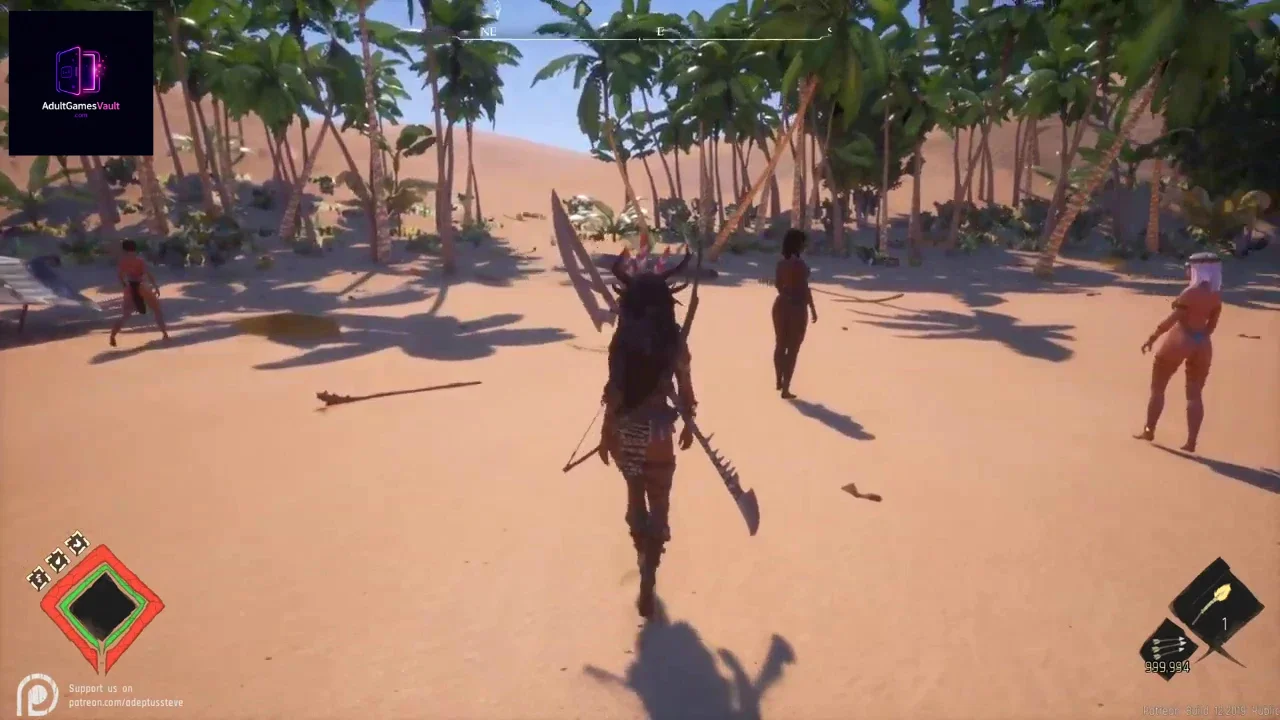
Rather than being just a survival adventure, the story is built around uncovering the mystery of Kerpal and learning why Maya is different. The official site says players will expose the dark intentions of the intruders and confront the forces operating behind the scenes, which gives the plot a stronger mystery-and-conflict angle than a simple open-world sandbox setup.
Overall, the story of Wild Life centers on survival, discovery, and the collision between explorers and the world of Kerpal, with Maya and Max gradually uncovering the truth behind the planet, the Kerpali, and Maya’s unusual nature.
Wild Life Gameplay
The gameplay of Wild Life blends open-world exploration, combat RPG systems, survival mechanics, and relationship-driven progression into a much larger sandbox structure than most games in the same niche. The official site describes it as an adult RPG where players must explore Kerpal, survive its hazards, complete missions, build relationships, and fight their way through conflict.
One of the core pillars is open-world exploration. Kerpal is presented as a large environment with jungles, beaches, deserts, canyons, and other dangerous regions, pushing players to move through the world rather than stay inside a small hub or stage-based map. The official project pages consistently frame the game as a journey across a mysterious planet filled with both threats and discoveries.
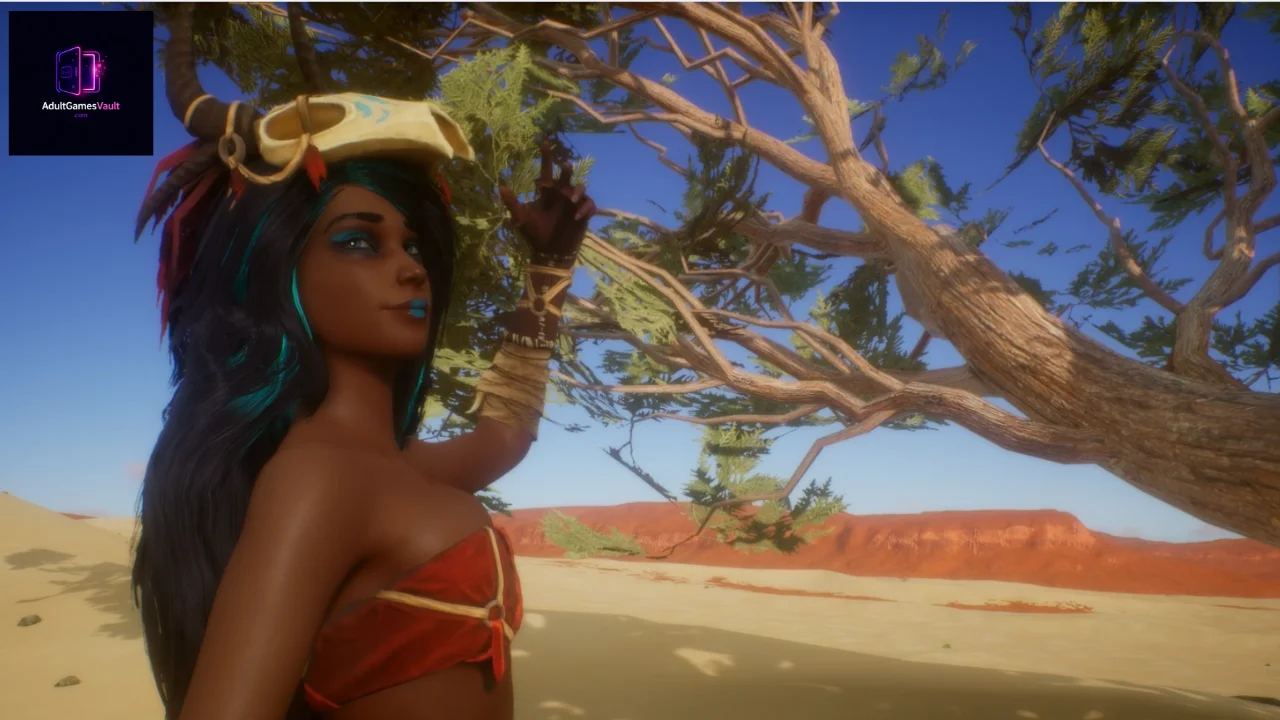
Another major element is the combat and survival system. The official site specifically highlights hunting, scavenging, fighting hostile creatures, and dealing with environmental danger as critical to progression. A public combat demo from the developers also shows that the team has been building real-time combat around attack animations, moves, AI behavior, and environmental interaction, which suggests the game is aiming for a more action-oriented RPG feel rather than simple menu-based battles.
The game also places strong emphasis on character-based progression and interaction. Players control Maya and Max, and the official descriptions repeatedly tie story progression to building connections with other characters while uncovering the mysteries of Kerpal and Maya’s unique nature. This means progression is not just about stats and equipment, but also about how the player moves through the story and world.
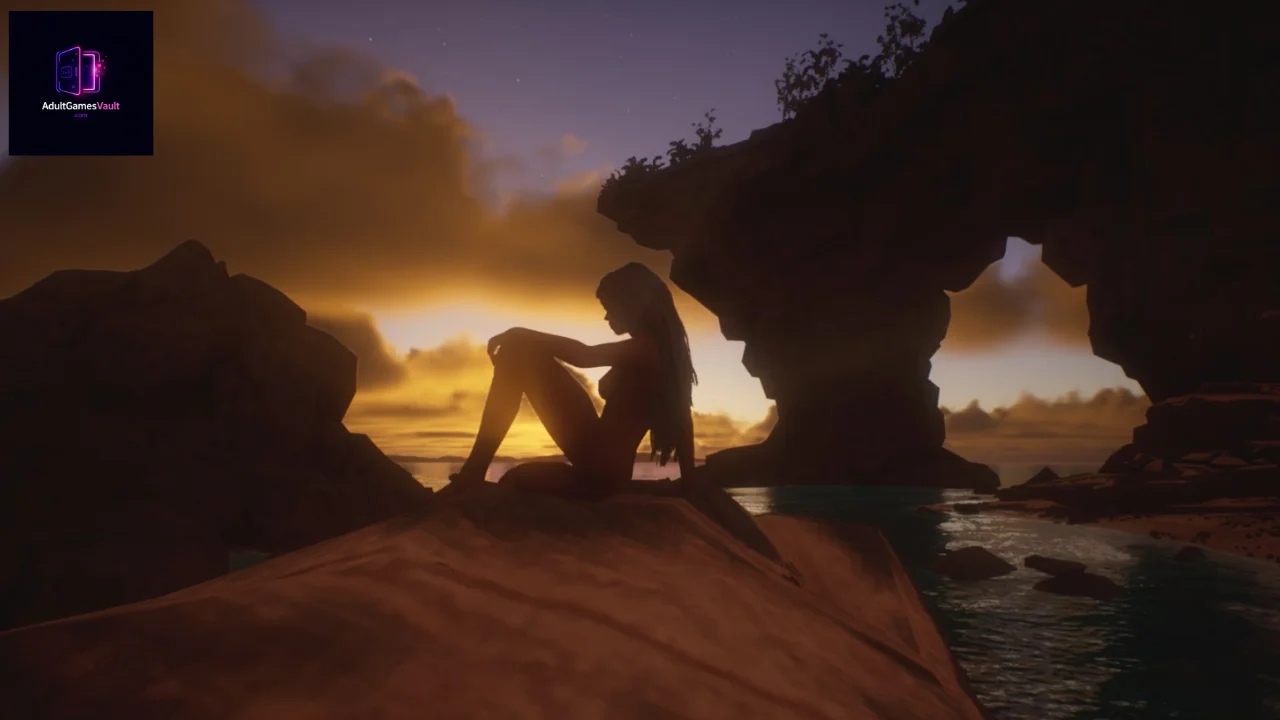
A separate sandbox component is also part of the project’s identity. The itch.io page describes an earlier public build that included a gameplay demo and a sandbox editor, while recent development updates say a dedicated Sandbox mode is planned as a later free DLC after the main launch window. That makes Wild Life feel split between a story-driven open-world RPG and a broader toybox-style experience for players who want more freedom.
Overall, Wild Life is best understood as an ambitious open-world RPG built around exploration, combat, survival, and relationship-driven progression, with a scale and presentation that aim much higher than most niche indie titles.
Wild Life Review and Community Feedback
Wild Life tends to draw attention for one reason above all: its ambition. Across the official Steam page, the project is framed as an open-world adult RPG, while the developers’ Patreon updates describe a long development process shaped by community input, expanding scope, and repeated refinement toward a full 1.0 release planned for late 2026.
A common point of interest around the game is its scale compared to most titles in the same niche. Players are usually drawn to the promise of a large 3D world, real-time combat, survival elements, and a separate sandbox component rather than a small scene-based experience. That bigger scope is part of the appeal, but it is also one of the reasons the community discussions often focus on development progress, feature delivery, and what the final version will include.
The strongest positive impression the game gives is its production ambition and world design concept. The official materials emphasize exploration across Kerpal, conflict with hostile creatures, relationship-driven progression, and Maya and Max’s central story. For players who want a more “full RPG” style experience rather than a lighter niche game, that is clearly a major selling point.
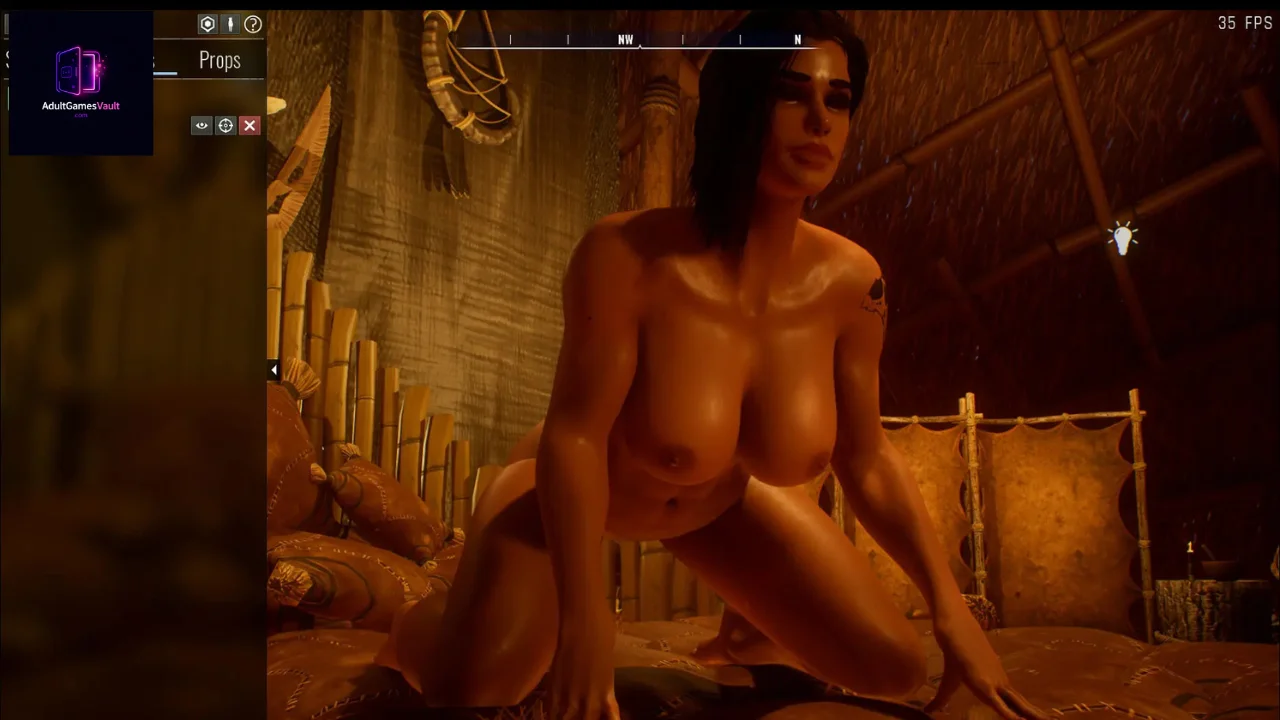
At the same time, community discussion also shows a more cautious side. Steam discussion threads include skepticism from some users about how much of the promised experience is already visible in public builds, with one 2025 thread criticizing the available demo/build for feeling sparse relative to the project’s larger vision. The developers themselves acknowledged in a March 2025 Patreon post that the Steam demo exposed problems in tone, story clarity, level structure, and performance pipeline, which suggests that some of the community’s concerns were taken seriously internally.
That makes the overall community picture feel mixed but engaged rather than simply positive or negative. Support remains strong enough for the project to maintain a large Patreon community, and the team continues to position player feedback as part of the game’s development process. At the same time, discussion around the game often centers not just on what it is now, but on whether it can fully deliver on the much larger open-world RPG experience it promises.
Overall, Wild Life is best viewed as a high-ambition open-world RPG project with a very interested but watchful community. Its biggest strengths are the scale of its concept, presentation goals, and world-building potential, while the biggest question around it has long been execution—specifically whether the final release can match the size of the vision that has attracted so much attention.
System Requirements for Wild Life
Before installing Wild Life, it is worth paying attention to the hardware requirements, because this is a much heavier game than most small indie RPGs. Steam’s listing shows it requires a 64-bit processor and operating system, with a minimum of Windows 10, AMD Ryzen 5 2600, 8 GB RAM, and a GeForce GTX 1060, which already places it well above lightweight 2D or RPG Maker-style titles.
| Component | Minimum Requirements | Higher-End / Recommended Direction |
| Operating System | Windows 10 (64-bit) | Windows 10 (64-bit) |
| Processor | AMD Ryzen 5 2600 / Intel i5-7400 | AMD Ryzen 5 5600X / Intel i5-11600K |
| Memory (RAM) | 8 GB RAM | 16 GB RAM |
| Graphics | GeForce GTX 1060 / Radeon RX 480 | GeForce RTX 3070 / Radeon RX 6800 XT |
| DirectX | Version 11 | Version 12 |
| Storage | 25 GB available space | 25 GB available space |
The more detailed PC requirement listings also point to 25 GB of storage and a much stronger recommended setup, including 16 GB RAM and an RTX 3070-class GPU for a smoother experience.
On top of that, Adeptus Steve’s own performance guidance says VRAM is one of the biggest bottlenecks for the game. Their recommendation is to treat 8 GB VRAM as the minimum, while 10–12 GB VRAM is a better target for medium-to-high settings at 1080p or 1440p.
Overall, Wild Life falls into the moderate-to-demanding range for a niche indie RPG. A PC that only barely meets minimum specs may run it, but if you want a more stable experience, especially in a larger 3D environment, aiming closer to the stronger CPU/GPU and VRAM guidance is the safer choice.
Conclusion
Overall, Wild Life stands out as a large-scale open-world RPG project that aims far beyond the scope of most niche indie titles. By combining exploration, survival systems, real-time combat, character-driven progression, and a planned sandbox component, it positions itself as a much more ambitious experience than a typical small-format RPG.
One of its biggest strengths is the scale of its vision. The setting of Kerpal, the focus on Maya and Max, and the mix of story progression with open-world systems give the game a stronger “full RPG” identity than many games in the same space. That ambition is also what has kept attention on the project for so long.
At the same time, Wild Life is also a game where expectation and execution matter a lot. The community interest is clearly there, but so is the pressure that comes with a long development cycle and a very large promised feature set. That makes it a game best approached as an evolving project with impressive potential rather than a small, instantly complete indie release.
For players looking for an ambitious open-world RPG with survival mechanics, story progression, and a strong sandbox flavor, Wild Life remains one of the more unusual and high-profile projects in its niche. Whether its final version fully delivers on that promise is the main question that continues to define discussion around it.
If you’re looking for a more intense survival experience in a similar sandbox style, Wicked Island is a great follow-up—offering harsher environments, deeper crafting systems, and a stronger focus on danger and progression. On the other hand, if you prefer a more relaxing island experience with lighter survival elements and more emphasis on character interaction, AI Shoujo is an excellent alternative.