
 Games
Games Game Series
 Guide
Guide
 简体中文
简体中文 हिन्दी
 한국어
한국어 Tiếng Việt
 ไทย
ไทยReleased in 2006 by the Japanese studio Illusion, Rapelay quickly became one of the most controversial 18+ games in the history of the gaming industry. Unlike many eroge titles of its time that focused on romance or emotional interaction, Rapelay chose to directly depict sexual violence, sparking massive international backlash. From Japanese gaming forums to Western media outlets, the name Rapelay became the center of intense debates about the boundaries between creative freedom and social ethics, ultimately leading to bans in many countries.
If you’re interested in exploring other titles from a less controversial angle, Real Play offers a more grounded and interactive simulation experience, while Someone in Darkness shifts toward psychological horror and mystery-driven storytelling. For those curious about earlier Illusion-style gameplay, Biko 3 provides a more structured look at the studio’s early 3D simulation design.
Main Story of Rapelay
Players take on the role of Masaya Kimura, a man with a history of sexual harassment who has just been released from prison. While riding a train, Masaya repeats his behavior and is caught and stopped by a high school girl named Aoi Kiryuu and her younger sister, Manaka Kiryuu.
Humiliated in public, Masaya becomes obsessed with revenge. He tracks down the sisters and kidnaps them along with their mother, Yukino Kiryuu. From this point on, the entire game revolves around imprisoning and assaulting these three women.

The game is divided into multiple segments, each unlocking new scenes and situations as the player progresses through forced “relationships.” In addition to the main storyline, the game also features a Free Play Mode that allows players to replay or customize scenarios.
The ending depends on player actions:
- “Success” ending: The protagonist completely breaks the will of all three victims.
- Failure ending: The victims escape or the protagonist is arrested.
Compared to Biko 2: Kanzenban (released in 2001 by Illusion), Rapelay takes a far more direct and shocking approach. While Biko 2 allowed players to choose between gentle interaction leading to consensual outcomes or sudden assault, Rapelay almost entirely removes the concept of consent, focusing solely on forced scenarios in a confined environment. This is a major reason why it generated such intense global criticism.
Gameplay Mechanics of Rapelay
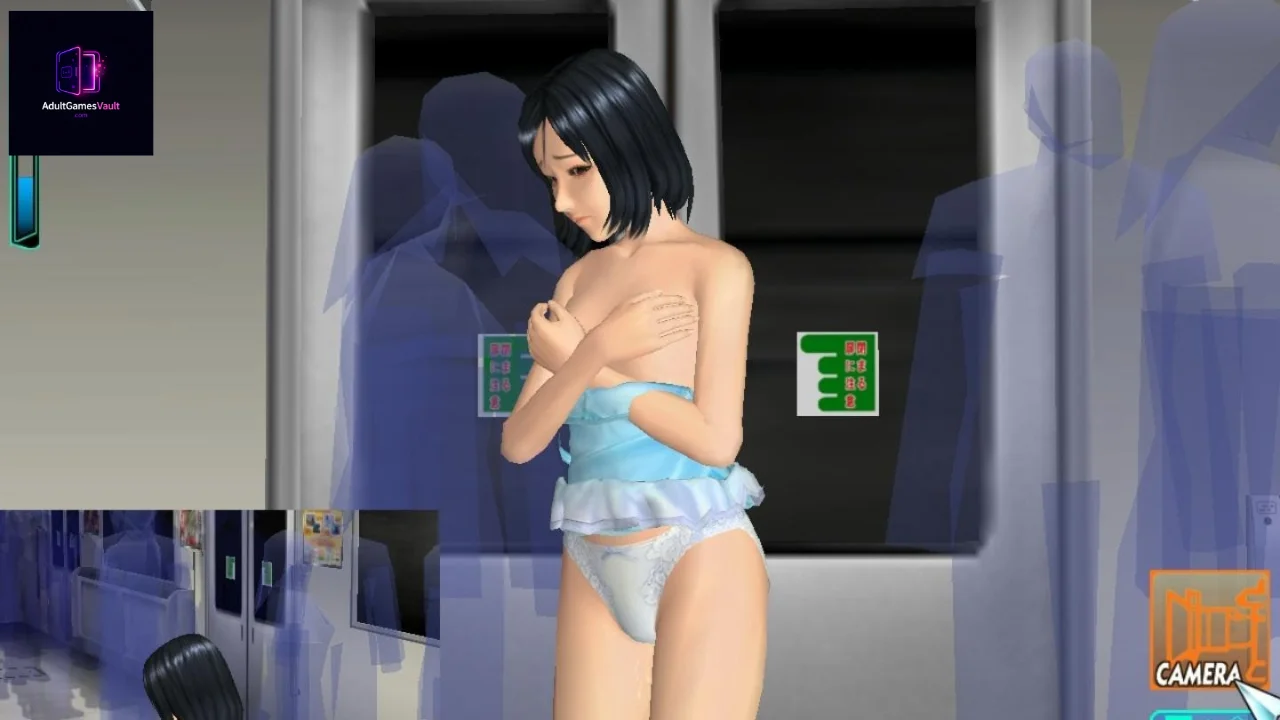
Released in 2006, Rapelay was not only controversial for its content but also for its detailed simulation-based gameplay. The game focuses entirely on a first-person 3D interactive experience, divided into two main modes and driven by a stat system that affects story progression.
- 3D eroge developed by Illusion with relatively advanced graphics for its time
- First-person perspective for immersive role-playing
- Fully interactive 3D character simulation
- Controlled using mouse and keyboard
- Highly customizable characters and environments
Game Modes
The game includes two main modes with different objectives and levels of freedom:
Story Mode
Players follow the main storyline from stalking and kidnapping to imprisoning the three female characters.
- Complete objectives to unlock new scenes
- Manage psychological stats of the victims
- Possible failure if victims escape or the player is caught
Free Play Mode
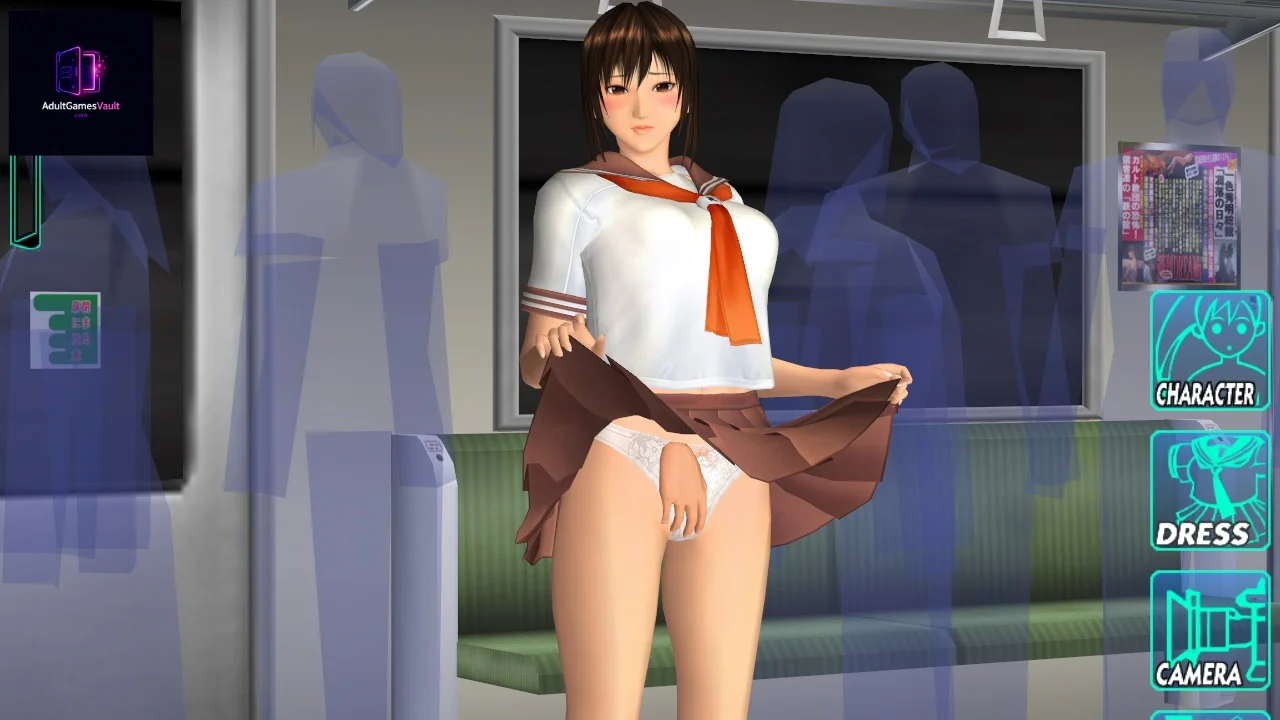
Unlocked after completing Story Mode, allowing full customization of gameplay.
- Customize outfits, accessories, and hairstyles
- Choose settings and actions freely
- No progression limits, replay or create new scenarios
Character Stat System
Each of the three female characters has unique psychological stats that directly affect reactions and endings:
- Fear – increases when threatened or forced
- Resistance – decreases under continuous pressure
- Submission – increases as resistance is broken
Controls & Interaction
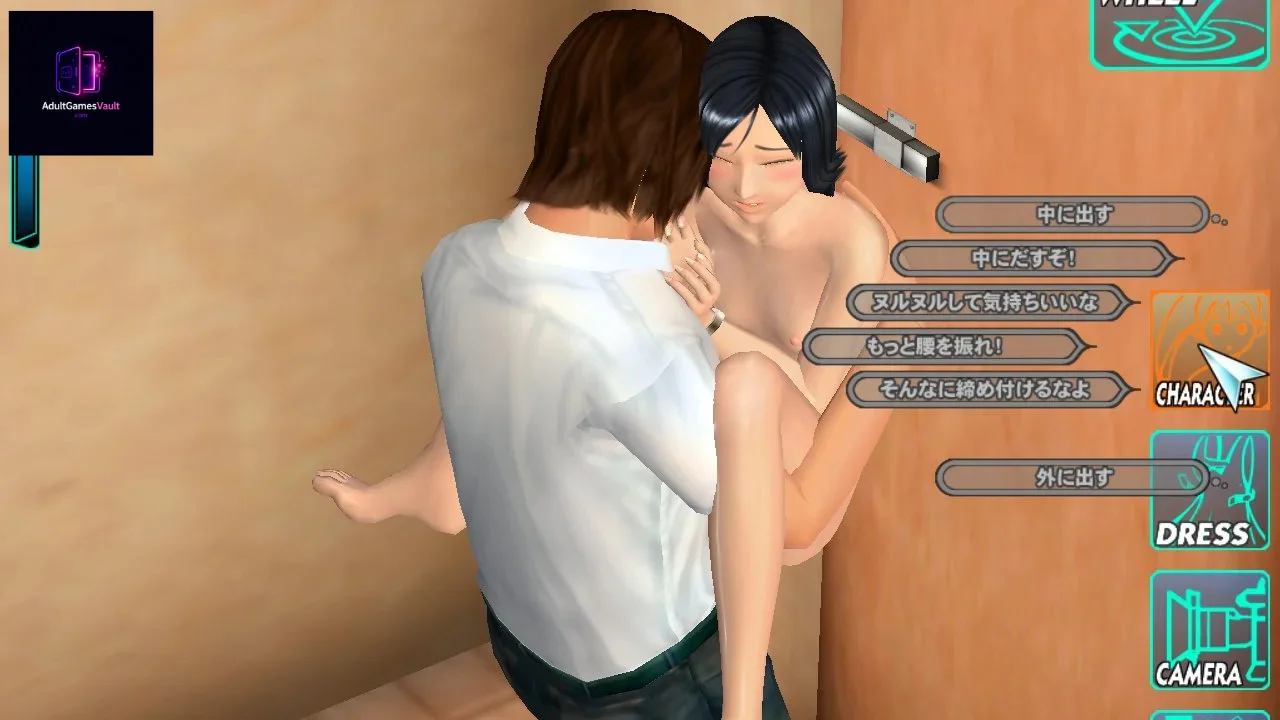
Players interact directly with characters using mouse and keyboard:
- Adjust camera angles, zoom, and perspective
- Perform actions such as touching, removing clothing, or changing positions
- Control the level of “force” or “persuasion” to influence stats
Release Information
Despite being banned in many countries, Rapelay remains one of Illusion’s most well-known titles. Understanding its release context helps explain why it was quickly blacklisted across multiple markets.
| Information | Details |
| Game Title | Rapelay |
| Developer | Illusion (Japan) |
| Publisher | Illusion |
| Platform | PC (Windows) |
| Release Date | April 21, 2006 |
| Genre | 3D eroge, simulation, sexual violence theme |
| Modes | Story Mode, Free Play Mode |
| Perspective | First-person |
| Language | Japanese (original), unofficial English and other translations |
| Distribution | Banned in many countries, circulated via unofficial archives |
Conclusion
Rapelay is not only one of Illusion’s most controversial games but also a clear example of how game content can cross ethical boundaries and reach legal limits. With its detailed simulation mechanics centered on sexual violence, the game triggered widespread global criticism and bans in multiple countries. Nevertheless, it still holds a unique place in the history of eroge—serving both as a warning about the consequences of extreme content and as a turning point in censorship policies for Japanese adult games.