
 Games
Games Game Series
 Guide
Guide
 简体中文
简体中文 हिन्दी
 한국어
한국어 Tiếng Việt
 ไทย
ไทยSomeone in Darkness is a psychological horror visual novel that leans heavily into the mystery and survival tropes of the late 2000s. Developed by Alibi, the game is a stark departure from lighthearted adventures, instead choosing to trap its players in a high-stakes “whodunnit” scenario infused with supernatural dread. It is designed for those who appreciate a slow-burn narrative where the environment itself feels like a predator, and every decision can lead to a gruesome end.
Unlike modern horror games that rely on jump scares, this title excels at building sustained tension. It utilizes a mix of traditional ADV (Adventure) mechanics and a rich, branching storyline to keep players on edge. For fans of psychological thrillers who enjoy navigating the murky waters of trust and betrayal, Someone in Darkness offers a grim, compelling experience that explores the darkest corners of its characters’ hearts. It remains a standout example of how a limited setting can be used to tell a vast, haunting story.
If you’re interested in exploring another classic title with a darker tone and a more controversial approach to storytelling, Biko 3 is worth checking out—offering a very different kind of experience that focuses more on simulation elements and player-driven interactions within its own unique setting.
The Story of Someone in Darkness
The narrative of Someone in Darkness begins with a classic but effective premise: a group of individuals, seemingly disconnected from one another, find themselves gathered at a secluded, opulent mansion. The atmosphere is immediately thick with unease as the guests realize they have been brought there under mysterious circumstances, with no clear way to leave. What starts as an awkward social gathering quickly descends into a living nightmare when the first “incident” occurs, revealing that there is a malicious presence—or perhaps a cold-blooded killer—among them.
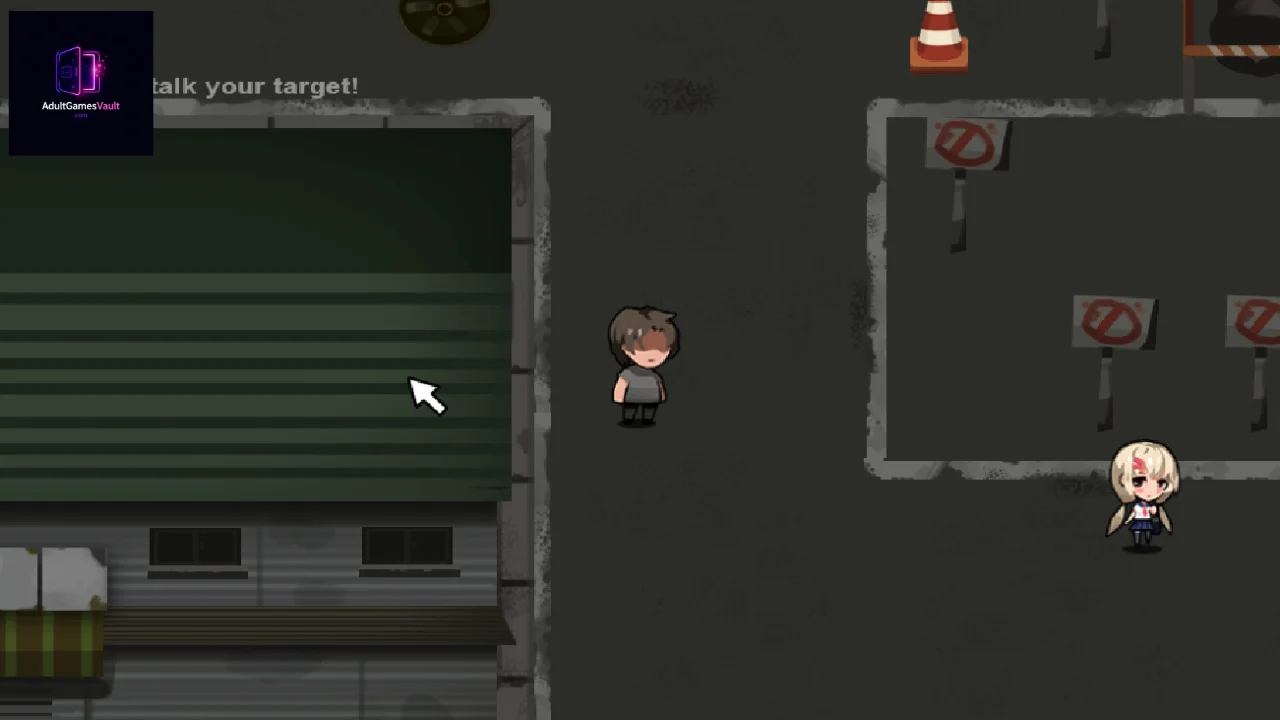
As the nights progress, the mansion becomes a labyrinth of fear where the shadows seem to move of their own accord. The protagonist must navigate the growing paranoia within the group, as alliances are formed and shattered in the face of mounting casualties. The story doesn’t just focus on the external threat; it delves deep into the past traumas and secrets of each guest. You begin to realize that no one is truly innocent, and the “darkness” mentioned in the title refers as much to the characters’ hidden sins as it does to the lack of light in the mansion’s halls.
The pacing of the plot is deliberate, allowing the sense of dread to fester as the body count rises. The writing excels at keeping you guessing, blending elements of a traditional murder mystery with a supernatural undercurrent that defies easy explanation. Every discovery made in the dusty corners of the estate brings you closer to the truth, but often at a terrible cost. The narrative weight is carried by the psychological breakdown of the survivors, making the final revelation not just a plot twist, but a sobering conclusion to a journey through the absolute worst of human nature.
Someone in Darkness Gameplay Mechanics
The gameplay of Someone in Darkness follows the classic Visual Novel (ADV) structure, where the primary interaction involves reading through the narrative and making pivotal choices. These choices are far from cosmetic; they are the lifeblood of the game, determining who survives the night and which of the multiple endings you will reach. The game employs a branching path system that rewards careful observation and logical thinking, as a seemingly minor dialogue choice early on can have catastrophic consequences hours later.

One of the defining features of the gameplay is the Investigation Mode. During certain segments, players must explore various rooms of the mansion, interacting with objects and questioning other characters to gather clues. This adds a layer of engagement that goes beyond simple reading, making you feel like a detective trying to solve a puzzle where your own life is the prize. The tension is amplified by the visual presentation, which uses dark, moody backgrounds and character sprites that change as their mental state deteriorates throughout the ordeal.

Because it is a horror title, the game also features high-stakes “Checkpoints.” Failing to choose the correct path often leads to a “Bad End,” which are famously detailed and grim in Alibi titles. This “trial and error” approach encourages players to utilize multiple save slots and explore every possible outcome to uncover the full scope of the mystery. While the mechanics are straightforward, the psychological pressure of making choices under the threat of death creates a gameplay loop that is both stressful and deeply addictive for fans of the genre.
Someone in Darkness Review and Community Feedback
In the years since its release, Someone in Darkness has maintained a dedicated cult following, with many players praising it as one of Alibi’s most atmospheric works. The community frequently highlights the superb writing, noting that the game successfully makes you feel a genuine sense of isolation and distrust. Reviews often point out that the character development is top-notch, as even the least likable characters are given enough depth to make their potential deaths feel impactful. The “whodunnit” element is also a major draw, with fans spending hours on forums discussing the clues and the various plot twists.

However, the game is also noted for its dated visuals and specific “niche” appeal. Some modern players find the UI to be a bit clunky and the pacing to be too slow for those used to high-action horror games. Additionally, the community often warns newcomers about the extreme dark themes and graphic content that are characteristic of Alibi’s older productions. While the mature elements are integrated into the horror, they can be polarizing. Despite these critiques, the consensus remains that if you can look past the age of the graphics, the psychological payoff is one of the most satisfying in the visual novel medium.
System Requirements for Someone in Darkness
Being a title from the mid-to-late 2000s, Someone in Darkness is incredibly lightweight by modern standards. It was designed to run on the hardware of its era, meaning almost any PC or laptop today can handle it without any issues.
| Component | Minimum Requirements | Recommended Requirements |
| Operating System | Windows XP / Vista / 7 | Windows 10 / 11 |
| Processor | Pentium III 800 MHz | Pentium 4 1.5 GHz or higher |
| Memory (RAM) | 256 MB RAM | 512 MB RAM or more |
| Graphics | 800×600, 16-bit color | 1024×768, 32-bit color |
| DirectX | Version 9.0c | Version 9.0c |
| Storage | 1.5 GB available space | 2 GB available space |
Technical Note: Because this is an older Japanese title, modern Windows users may need to set their System Locale to Japan or use a tool like “Locale Emulator” to ensure the text renders correctly and the game launches without errors.
Conclusion
Overall, Someone in Darkness is a haunting relic of an era when psychological horror visual novels were at their peak of creativity. Alibi succeeded in creating a world that feels genuinely oppressive, where the primary threat isn’t just a monster in the dark, but the paranoia and secrets hidden within the people standing right next to you. It is a masterclass in building suspense and atmosphere with limited resources.
While the game’s age might be apparent in its art and interface, the strength of its writing and the complexity of its mystery remain undiminished. It is a “must-play” for fans of the genre who want a story that challenges their morals and keeps them guessing until the very last line. If you are looking for a dark, intellectual horror experience that stays with you long after the credits roll, Someone in Darkness is a journey into the abyss that is well worth taking.