
 Games
Games Game Series
 Guide
Guide
 简体中文
简体中文 हिन्दी
 한국어
한국어 Tiếng Việt
 ไทย
ไทยRance 5D – The Lonely Girl is a unique RPG developed by AliceSoft, marking a notable shift in gameplay design within the long-running Rance series. Unlike earlier entries such as Rance IV or Kichikuou Rance, which focus on traditional RPG or large-scale strategy systems, this installment introduces a more experimental approach.
The most distinctive feature of Rance 5D is its dice-based combat system, which adds an element of randomness and unpredictability to each encounter. Combined with dungeon exploration and character-driven storytelling, the game offers a different experience compared to other titles in the series.
Positioned between the classic RPG era and the more refined strategy titles like Sengoku Rance, Rance 5D serves as a transitional experiment that explores new gameplay ideas.
Breaking out of this bizarre, dice-rolling dimension is just a minor detour. To see how this fits into the grand scheme of the Continent, visit our Rance Series Master Guide.
Story
The story of Rance 5D – The Lonely Girl follows Rance as he becomes involved in a new adventure centered around a mysterious girl and a series of events that gradually unfold.
Compared to the large-scale conflicts seen in titles like Kichikuou Rance, the narrative here feels more focused and contained. The story places greater emphasis on individual characters and their circumstances rather than broader political or military struggles.
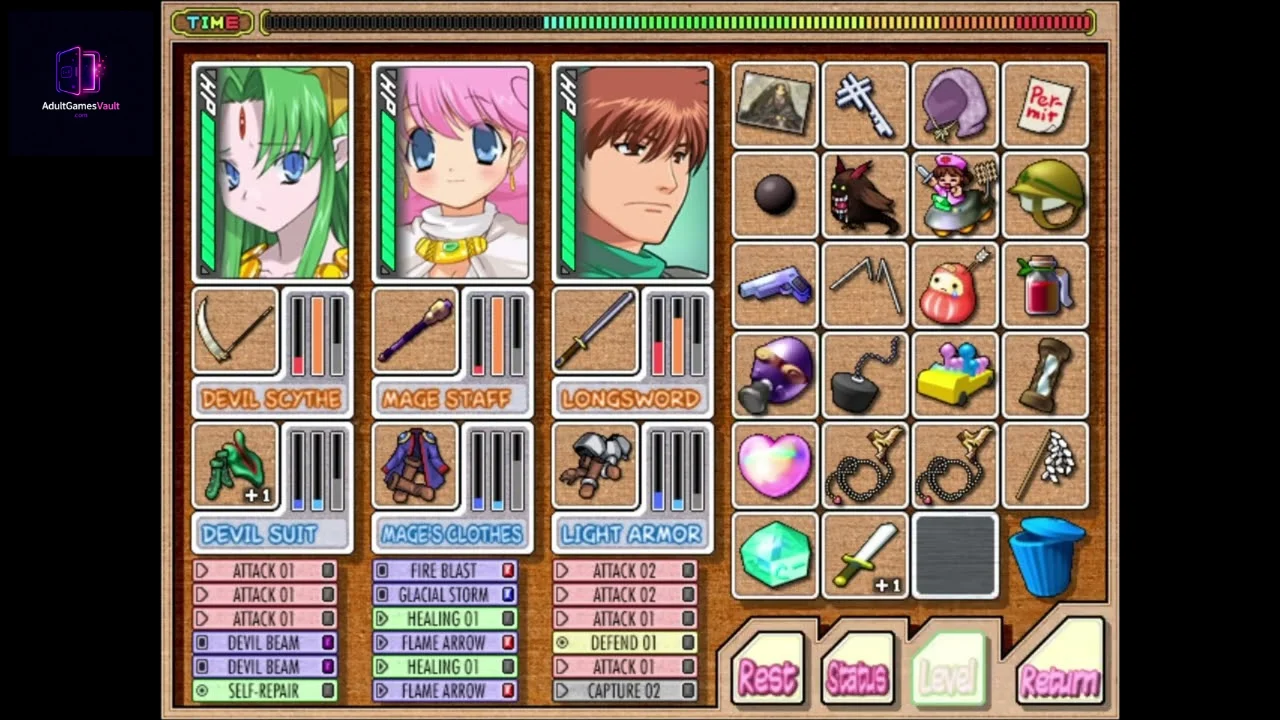
The title “The Lonely Girl” reflects the emotional core of the narrative. As players progress, they uncover more about the characters involved and the situations they face. This creates a more character-centric experience compared to earlier entries.
While the game retains the humor and tone typical of the Rance series, it also introduces a slightly more intimate storytelling approach, balancing lighthearted moments with more serious elements.
Gameplay
The gameplay in Rance 5D – The Lonely Girl represents one of the most experimental systems in the series. By combining traditional RPG elements with a dice-based mechanic, the game creates a structure that is both familiar and unpredictable.
Core Experience
At its core, the game remains a dungeon-crawling RPG where players explore areas, encounter enemies, and progress through the story. Movement and exploration follow a relatively straightforward structure, guiding players through different environments.
However, the way battles and actions are handled sets this game apart from others in the series.
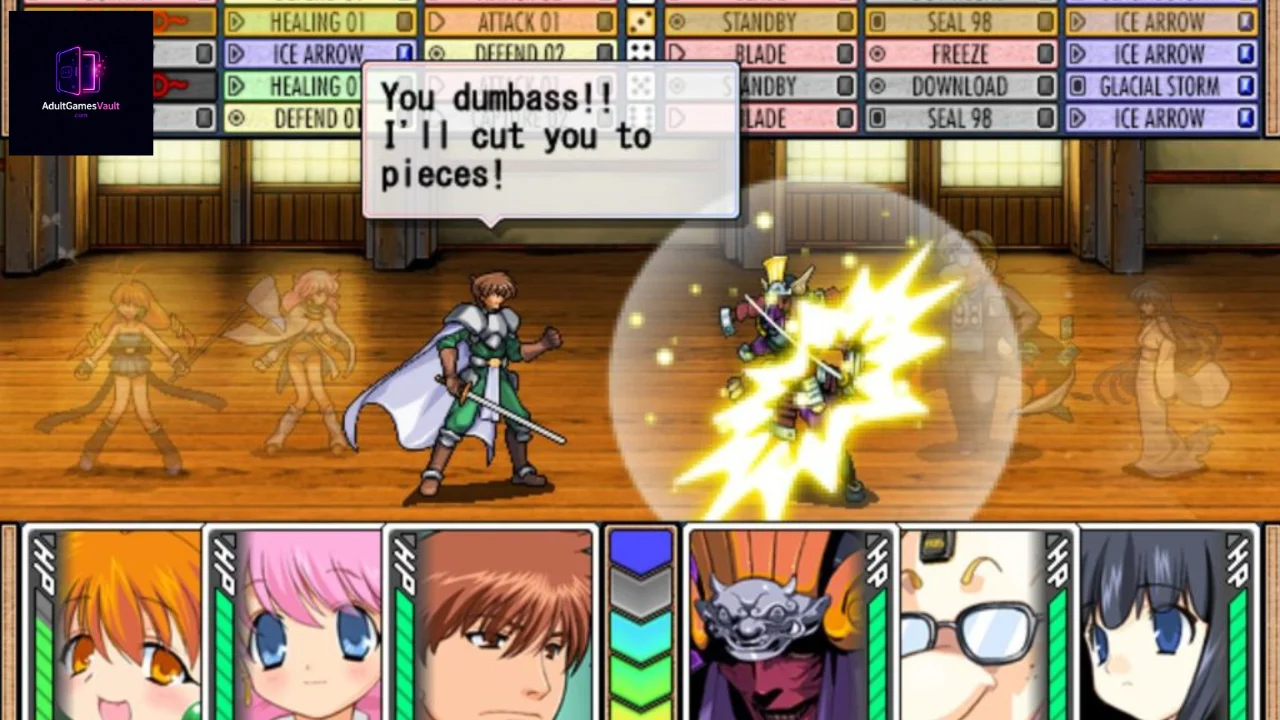
Dice-Based System
The defining feature of the gameplay is its dice system. Instead of selecting actions directly, players roll dice that determine what actions are available during a turn.
Each dice result corresponds to different abilities, attacks, or effects. This introduces an element of randomness, requiring players to adapt their strategy based on the outcomes.
While the system may appear unpredictable at first, it still allows for planning. Understanding how different dice results interact with available options becomes an important part of the gameplay.
Combat Mechanics
Combat in Rance 5D combines turn-based structure with the dice system. Players must decide how to use the results of each roll effectively, balancing offense, defense, and resource management.
Unlike traditional systems where players have full control over their actions, the dice mechanic introduces constraints that force more flexible decision-making.
This creates a different kind of challenge, where adaptability becomes more important than pre-planned strategies.
Exploration and Progression
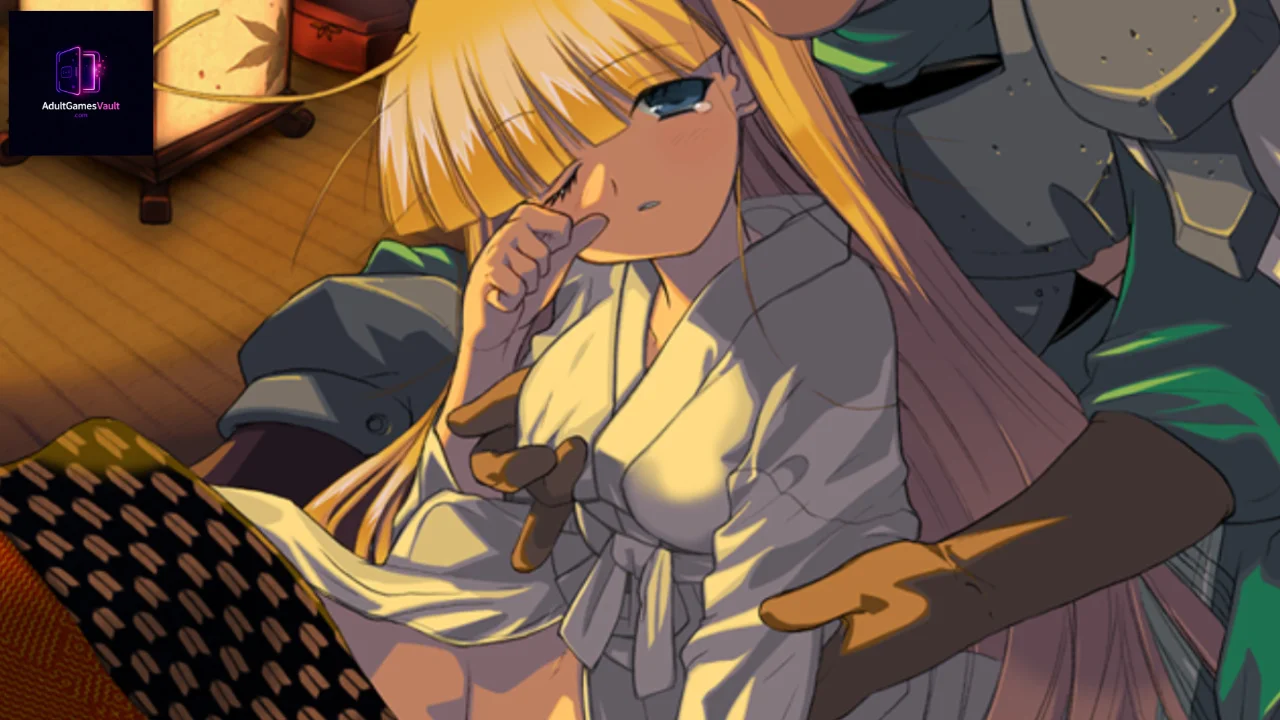
Exploration remains an important part of the experience. Players move through dungeons, encounter events, and unlock new content as they progress.
Progression is tied to both story advancement and gameplay performance. As players continue, they gain access to new abilities and interactions that enhance the overall experience.
The structure encourages players to engage with both the narrative and the gameplay system, creating a balanced progression loop.
Community Feedback
As one of the more experimental entries in the series, Rance 5D – The Lonely Girl often receives mixed but interesting feedback from players.
What Players Appreciate
Players who enjoy unique mechanics often appreciate the dice system. It introduces a fresh layer of gameplay that differs from standard RPG structures.
The more focused and character-driven story is also seen as a positive aspect. It offers a different perspective compared to the larger-scale narratives in other entries.
Additionally, the game’s willingness to experiment is often recognized as a strength within the series.

Points of Consideration
However, the dice system may not appeal to everyone. Players who prefer full control over their actions may find the randomness frustrating.
The gameplay can feel inconsistent at times, depending on dice outcomes. This unpredictability may not suit players looking for a more traditional RPG experience.
System Requirements
Rance 5D – The Lonely Girl is a lightweight game and can run on most systems without difficulty.
| Component | Requirement |
| OS | Windows XP / 7 / 8 / 10 |
| Processor | Intel Pentium 4 or equivalent |
| RAM | 1 GB |
| Graphics | DirectX 9 compatible GPU |
| Storage | ~2–3 GB available space |
These requirements reflect the game’s simple graphical design and focus on mechanics rather than performance.
Conclusion
RanRance 5D – The Lonely Girlce 5D – The Lonely Girl stands out as one of the most experimental entries in the Rance series. Developed by AliceSoft, the game introduces a dice-based system that significantly changes how gameplay is approached.
While it may not appeal to all players, its unique mechanics and character-focused story make it an interesting addition to the series. It serves as a transitional title that explores new ideas while maintaining the core identity of the franchise.
For players looking to experience something different within the Rance series, Rance 5D offers a distinct and memorable journey.