
 Games
Games Game Series
 Guide
Guide
 简体中文
简体中文 हिन्दी
 한국어
한국어 Tiếng Việt
 ไทย
ไทยRance IV – The Legacy of the Sect is a classic RPG developed by AliceSoft, continuing the early storyline of the long-running Rance series. Unlike later entries that incorporate large-scale strategy systems, this installment remains rooted in traditional RPG mechanics, focusing on dungeon exploration and character-driven storytelling.
Following the events of Rance 03 – The Fall of Leazas, the game expands the scope of the narrative while maintaining the series’ recognizable tone. It bridges the gap between the early, simpler entries and the more complex systems introduced in later titles.
As one of the older games in the series, Rance IV reflects a design philosophy centered around straightforward gameplay combined with narrative progression.
This game does not have a remake, so if you want to play it, you’ll need to use the original version from back then.
After surviving the deadly floating city of Ylapu, you might be wondering what’s next for our brutal warrior. Navigate through his subsequent conquests with our Comprehensive Rance Series Play Order.
Story
The story of Rance IV – The Legacy of the Sect continues Rance’s journey as he becomes involved in a new conflict surrounding a mysterious sect. This organization introduces a different kind of threat compared to the political and military conflicts seen in previous entries.
The narrative focuses more on uncovering secrets and understanding the motivations behind the sect’s actions. As players progress, they encounter a variety of characters connected to this central conflict.
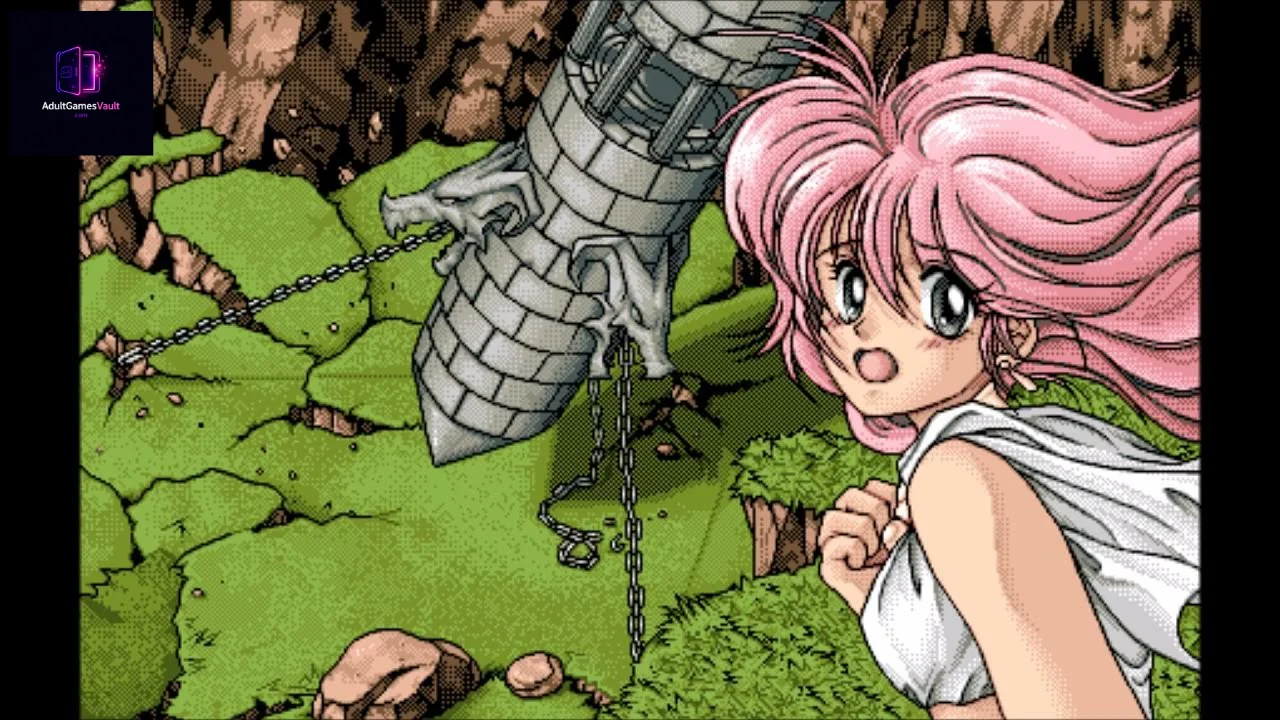
Compared to earlier games, the story feels slightly more focused, with a clearer central theme. The presence of the sect creates a sense of direction, guiding the narrative forward.
While the game retains the humor and personality typical of the series, it also introduces elements of tension and mystery. This balance helps create a more engaging experience without deviating too far from the established tone.
Gameplay
The gameplay in Rance IV – The Legacy of the Sect continues to build on the traditional RPG structure established in earlier entries. While it does not introduce major innovations, it refines existing systems and maintains a consistent experience.
Core Experience
At its core, the game follows a dungeon-based RPG format. Players explore various locations, encounter enemies, and progress through the story.
Combat remains turn-based, requiring players to choose actions such as attacking, using abilities, or managing resources. The system emphasizes planning rather than fast reactions.

This straightforward approach makes the game accessible while still providing enough challenge to keep players engaged.
Dungeon Exploration
Exploration is a central element of the gameplay. Players navigate through different areas, uncovering events, battles, and story sequences.
Each location contributes to the overall narrative, helping to build the world and provide context for the events unfolding. While the structure remains linear, it offers a steady sense of progression.
Compared to earlier entries, the environments feel more connected to the story, reinforcing the game’s thematic focus.
Combat System
The combat system continues to use a turn-based format similar to previous games in the series. Players must consider both offensive and defensive options when facing enemies.
While the mechanics remain relatively simple, they are effective in supporting the overall gameplay loop. Battles serve as both a challenge and a means of progression.

The system rewards consistency and understanding rather than complex strategy.
Character Interaction
Character interaction remains an important part of the experience. Dialogue sequences and events help develop the story and provide insight into the characters.
The game continues to rely on its distinctive tone, blending humor with narrative progression. These interactions help maintain engagement throughout the experience.
Progression
Progression is tied to both exploration and combat. As players advance, they unlock new areas and continue the story.
The pacing remains consistent, ensuring that players are regularly rewarded without introducing unnecessary complexity. This structure keeps the experience focused and manageable.
Community Feedback
As a classic entry in the Rance series, Rance IV – The Legacy of the Sect is often viewed in the context of its place within the franchise.
What Players Appreciate
Players who enjoy retro RPGs often appreciate the game’s straightforward design. Its focus on core mechanics makes it easy to understand and play.
The continuation of the series’ story is also a key highlight. For fans following the narrative, this installment provides important context and development.

Points of Consideration
However, the game may feel dated compared to newer entries. The lack of modern systems and refinements can make it less appealing to players accustomed to more advanced gameplay.
Additionally, the simplicity of the mechanics may not satisfy those looking for deeper or more complex systems.
System Requirements
Due to its age, Rance IV – The Legacy of the Sect has very low system requirements and can run on most modern systems without issue.
| Component | Requirement |
| OS | Windows XP / 7 / 8 / 10 |
| Processor | Intel Pentium III or equivalent |
| RAM | 512 MB |
| Graphics | Basic DirectX compatible GPU |
| Storage | ~1–2 GB available space |
These requirements reflect the lightweight design typical of older RPG titles.
Conclusion
Rance IV – The Legacy of the Sect continues the early journey of the Rance series with a focus on traditional RPG gameplay and narrative progression. Developed by AliceSoft, the game serves as a bridge between the foundational entries and the more complex titles that follow.
While it may lack the depth and polish of later installments, it remains an important part of the series’ evolution. For players interested in experiencing the full story, this entry provides valuable context and continuity.
As part of the broader Rance franchise, Rance IV contributes to the gradual development of gameplay systems and storytelling that would later define the series.