
 Games
Games Game Series
 Guide
Guide
 简体中文
简体中文 हिन्दी
 한국어
한국어 Tiếng Việt
 ไทย
ไทยWhen documenting the evolution of 3D adult gaming, the Artificial Girl series (known as Jinkou Shoujo in Japan) is a mandatory inclusion for any serious gaming vault. Developed by the legendary studio Illusion, this franchise pioneered the concept of an “AI sandbox.” Instead of simply clicking through a linear visual novel, players were given the tools to design their ideal virtual girlfriend from scratch and watch her live out her daily routine.
The core premise across the series is highly unique: you are not just a protagonist; you are somewhat of an observer and creator. You design the heroine’s physical appearance and personality, drop her into a 3D environment (like a house or a neighborhood), and interact with her based on her dynamic schedule. If you are fascinated by life simulators like The Sims but want an adult, highly intimate anime spin on the formula, the Artificial Girl franchise is a historic masterpiece.
Core Features of the Artificial Girl Universe
To understand why this series captivated an entire generation of gamers, we need to look at the groundbreaking mechanics that defined its gameplay loop.
Advanced Character Creation
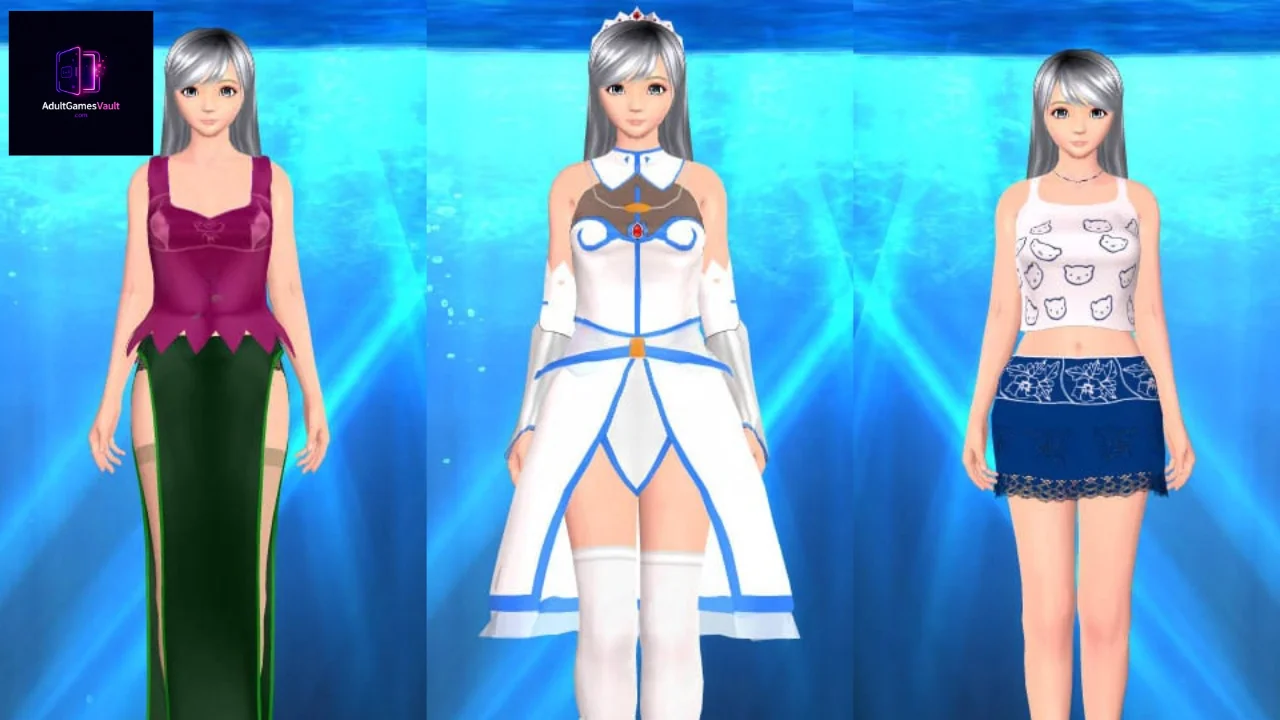
This series laid the very foundation for Illusion’s famous character creators. Players could adjust body proportions, hairstyles, facial features, and clothing, allowing them to recreate their favorite anime characters or design completely original heroines.
Autonomous AI Routines
The “Artificial” part of the title refers to the game’s life-simulation AI. The girls you create don’t just stand around waiting for you. They have their own schedules based on their assigned personality types—they will cook, clean, take baths, sleep, and roam the map independently.
Personality-Driven Gameplay
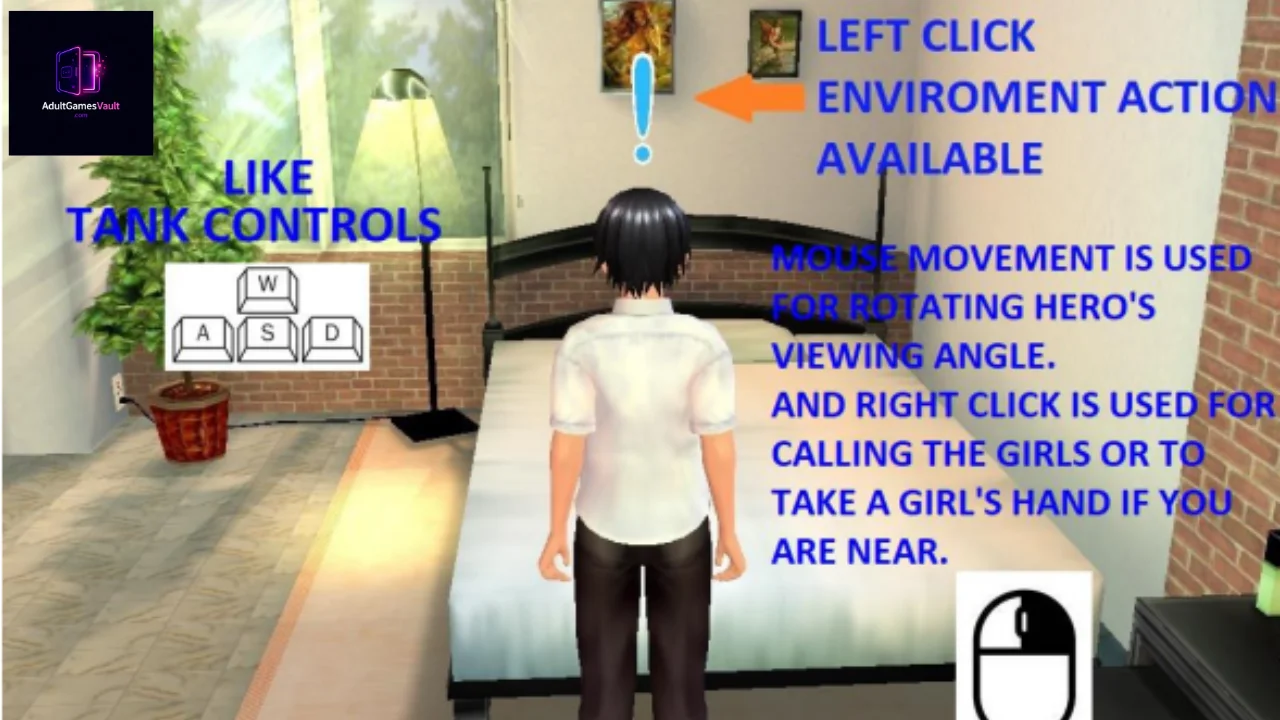
A girl’s personality dictates everything from her voice acting and dialogue to her sexual preferences and how aggressively she pursues the player. A shy girl will require gentle coaxing, while an assertive girl might actively seek you out.
The “Illusion Modding” Legacy
While the base games were impressive, this series birthed one of the most dedicated modding communities in adult gaming history. Modders expanded the character creators exponentially, keeping the games alive for over a decade.
The Epic Timeline: Game-by-Game Breakdown
Tracing the development history of this franchise showcases a rapid leap in technology, culminating in a game that many still play today. Let’s explore the timeline of the Jinkou Shoujo universe.
Artificial Girl (2004)

The ambitious debut title that started it all. Released in the summer of 2004, the original Artificial Girl was a massive technical leap for the time. It introduced the core concept of tailoring a girl’s personality and appearance, though the customization sliders were quite limited compared to modern standards. The game took place in a relatively small environment, focusing heavily on basic interactions, following the girl around the house, and engaging in early 3D consensual adult scenes.
Artificial Girl 2 (2004)
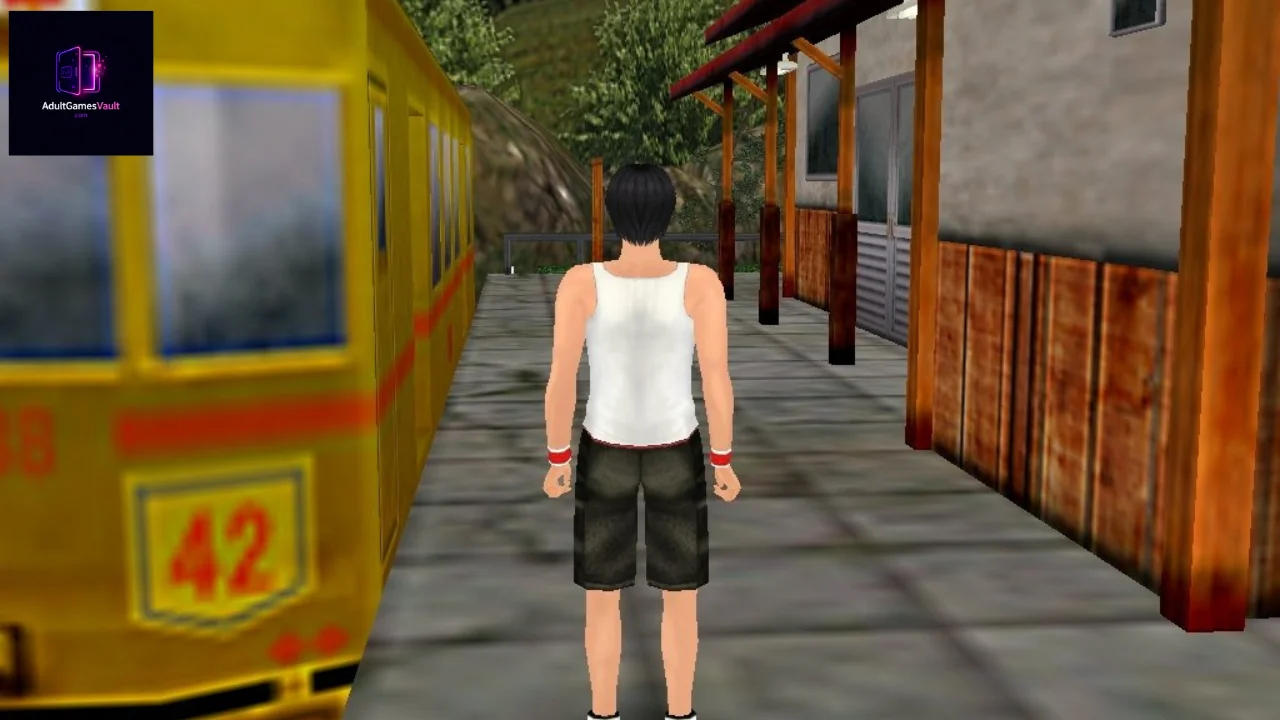
Released just a few months after the first game, Artificial Girl 2 acted more like a massive expansion pack or a “Version 2.0” rather than a standalone sequel. It vastly improved the rendering engine, smoothed out the clunky animations of the original, and expanded the clothing and customization options. It proved that Illusion was committed to refining the AI sandbox formula, but it was merely a stepping stone for their true masterpiece.
Curious about the early iterations of Illusion’s life simulator? Explore our classic Artificial Girl 2 review
Artificial Girl 3 (2007)
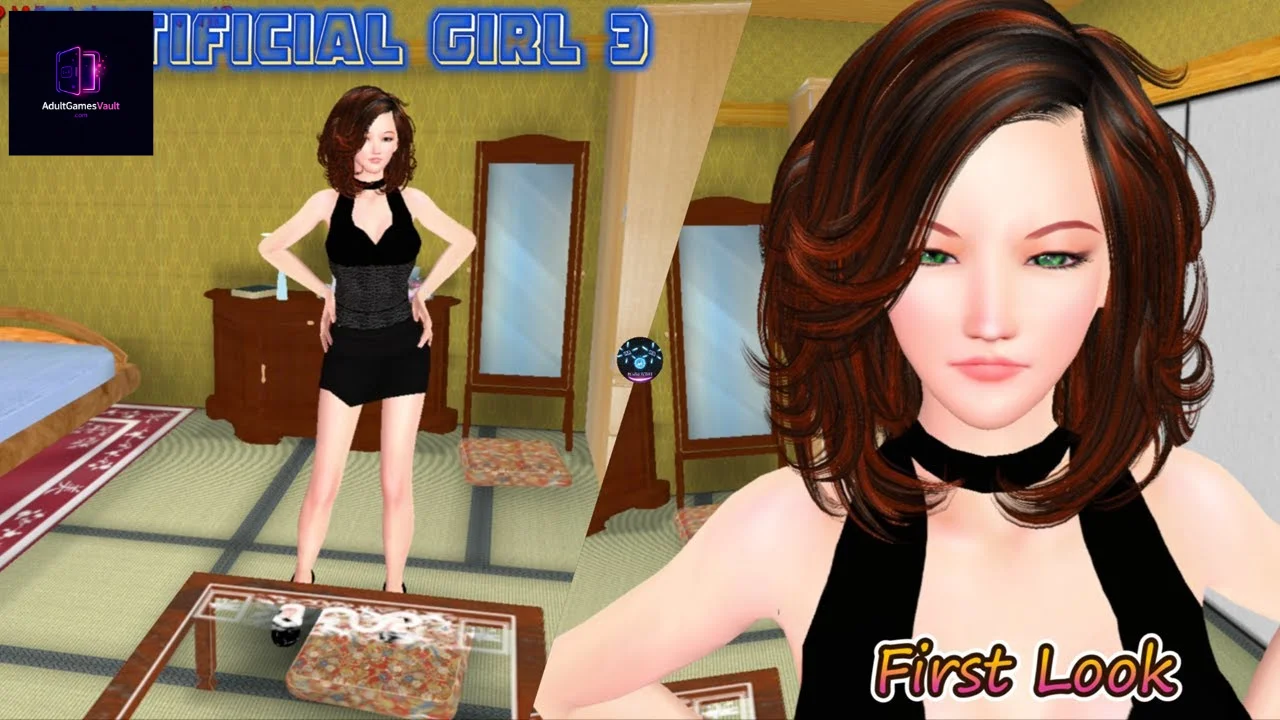
Widely known as JS3 in the community, Artificial Girl 3 is the undisputed crown jewel of the franchise. It expanded the scope of the game from a single house to an entire neighborhood. You could now create multiple girls and have them interact with each other in the same environment. The character creator was lightyears ahead of its predecessors, featuring detailed physics and robust clothing layering.
What truly immortalized JS3, however, was its modding scene. The community cracked the game’s engine open, creating the “JS3 Mod Pack,” which added thousands of new clothing items, high-resolution textures, new maps, and custom poses. Even today, JS3 holds a legendary status as the grandfather of modern moddable sandbox games like Koikatsu and Honey Select.
Ready to build your ultimate virtual neighborhood? Discover the undisputed classic in our comprehensive Artificial Girl 3 review and modding guide.
Overall Review & Summary
Looking back at the franchise, it is clear that Illusion’s ambition sometimes outpaced the hardware of the time, resulting in a fascinating but flawed masterpiece.
| Feature | The Good | The Bad |
| Sandbox & AI | Watching your custom characters live out their routines is incredibly immersive and relaxing. | The AI can sometimes break or act erratically, leading to repetitive or buggy behavior. |
| Customization | JS3‘s character creator (especially when modded) is legendary, offering near-limitless freedom. | The vanilla (unmodded) base games severely lack clothing and accessory variety. |
| Graphics | The jump from the first game to JS3 is staggering. The anime cel-shaded aesthetic still holds up. | The environments and background textures look very low-resolution by modern standards. |
| Adult Content | Highly interactive, personality-driven scenes that adapt to the heroine’s specific traits. | The user interface for controlling positions and camera angles in the H-scenes is famously clunky. |
General Community Feedback
If you visit long-standing visual novel forums or international modding boards, Artificial Girl 3 is spoken of with deep reverence. It is universally acknowledged as the game that taught an entire generation of players how to install mods and edit texture files.

While the general consensus is that the original Artificial Girl 1 and 2 are now just historical curiosities with dated graphics, JS3 is still highly regarded. Players frequently praise the specific “charm” of the AI routines in JS3, noting that modern games (like Koikatsu) often feel a bit too static, whereas the girls in JS3 felt like they had genuine, unpredictable lives. The only major complaint historically was getting the massive, multi-gigabyte mod packs to run stably on older Windows operating systems.
Conclusion
The Artificial Girl series is a monumental achievement in the history of adult simulation games. Illusion successfully merged the addictive nature of life-management simulators with the appeal of anime dating games. Whether you are archiving the humble beginnings of the franchise with the original Artificial Girl, or installing the massive community patches to build your ultimate digital neighborhood in Artificial Girl 3, this series is a vital piece of gaming history. It handed the creative tools to the players, and the adult gaming industry was never the same again.