
 Games
Games Game Series
 Guide
Guide
 简体中文
简体中文 हिन्दी
 한국어
한국어 Tiếng Việt
 ไทย
ไทยWithin the niche world of adult simulation games, few titles are as infamous as the Urge to Molest series. Developed during the era of experimental Japanese eroge design, the franchise built its identity around tension-driven gameplay, risk management, and highly repetitive but strangely addictive progression systems.
Unlike large-scale strategy series or story-heavy visual novels, Urge to Molest focuses on a much narrower experience. The games place players into confined environments where timing, observation, and player decisions become the center of the gameplay loop. This simplicity is precisely what allowed the series to stand out among many other adult titles released during the same period.
What makes the franchise memorable is not visual complexity or deep storytelling, but the uncomfortable sense of pressure it creates. Every action carries risk, and progression often depends on understanding patterns rather than brute-force experimentation. In many ways, the series feels closer to an arcade-style stealth simulation than a traditional visual novel.
Despite its controversial premise and dated presentation, the franchise remains surprisingly recognizable within retro adult gaming communities. Discussions around the games often focus on their unusual gameplay structure, high tension, and the way they transformed a simple concept into a repeatable progression loop.
In this complete review, we’ll explore the defining mechanics of the Urge to Molest series, break down the differences between each release, and examine why these games continue to hold a strange but lasting place within classic adult gaming history.
Core Features of the Urge to Molest Franchise
At first glance, the Urge to Molest series appears extremely simple. However, beneath its minimal presentation lies a gameplay structure built around timing, observation, and escalation. Rather than relying on narrative depth or large-scale mechanics, the franchise focuses on creating tension through repetition and player risk.
Public Setting & High-Tension Atmosphere
One of the defining aspects of the series is its setting. Unlike most adult games that take place in private or fantasy environments, Urge to Molest places players into crowded public transportation scenarios where every action feels risky.

This design choice completely shapes the atmosphere of the games. The tension does not come from combat or storytelling, but from the constant possibility of failure. Players must carefully observe movement patterns, environmental changes, and timing windows before acting.
Because of this, the gameplay often feels more suspenseful than erotic. The environment itself becomes part of the challenge, turning otherwise repetitive interactions into a system built around pressure and restraint.
As the series evolved, this atmosphere became increasingly tied to the gameplay loop itself.
Timing-Based Gameplay System
At the core of the franchise is a progression system heavily based on timing and risk management. Rather than giving players unlimited freedom, the games restrict actions through specific windows of opportunity.
Success depends on patience. Acting too quickly or carelessly can immediately end a run, while careful observation gradually opens safer opportunities for progression. This creates a loop where players constantly balance reward against risk.
Compared to traditional visual novels, the gameplay feels far more interactive. Even though the controls themselves are relatively simple, the constant need for awareness keeps players engaged moment to moment.
Over time, the series refined this formula by introducing more variables and environmental reactions.

Escalation & Progression Mechanics
Another important feature of the series is how progression escalates gradually over time. Early gameplay tends to be restrictive, but successful actions slowly expand player options and increase interaction complexity.
This gradual escalation is what gives the games their addictive structure. Rather than overwhelming players immediately, the system encourages learning through repetition. Small improvements in timing or decision-making can significantly affect long-term success.
Because of this design, replayability becomes a major part of the experience. Players often revisit the games not for story outcomes, but to optimize runs and achieve smoother progression.
As newer entries were released, this progression system became more refined and mechanically polished.
Adult Content Integration
Like many classic eroge titles, the adult content in Urge to Molest is closely tied to progression rather than existing separately from gameplay. Interactions, outcomes, and pacing are all connected directly to player performance.
However, the series is remembered more for its tension-driven mechanics than for explicit presentation itself. The gameplay loop focuses heavily on pressure, timing, and environmental awareness, making the experience feel more system-oriented than narrative-oriented.
This design philosophy helped the franchise develop a unique identity compared to more conventional adult visual novels of the same era.
The Evolution of the Series: Game-by-Game Breakdown
Although the Urge to Molest series contains only a handful of major releases, each title represents a noticeable refinement of the core formula. Rather than dramatically reinventing the gameplay, the franchise focused on polishing tension, pacing, and environmental interaction with each new installment.
Urge to Molest (2007)

Released in 2007, the original Urge to Molest established the foundation of the entire series. The gameplay structure is intentionally simple, placing players into confined scenarios where success depends almost entirely on timing and observation.
From a modern perspective, the presentation feels extremely dated. Visuals are basic, interactions are repetitive, and the overall scope is limited. However, the game succeeds because of how effectively it creates tension through restriction.
The original title also introduced the risk-reward structure that would define the franchise moving forward. Every action carries consequences, forcing players to carefully monitor their surroundings before progressing further.
Although it feels simple compared to later entries, the first game remains important because it sets the tone, structure, and mechanical identity that Urge to Molest If and Urge to Molest Remake would later refine. Read our full Urge to Molest review to see how the franchise began and why this original release still matters within the series.
Urge to Molest If (2009)

Released in 2009, Urge to Molest If expands upon the original formula by introducing more interaction variety and slightly more dynamic progression systems.
The core gameplay remains familiar, but the pacing feels smoother and less rigid compared to the first game. Environmental reactions are more responsive, and players are given additional opportunities to adapt their strategies during each session.
One of the biggest improvements is the increased sense of unpredictability. Instead of relying entirely on memorization, the game introduces situations that require quicker reactions and more careful observation.
For many fans of the franchise, Urge to Molest If represents the point where the gameplay loop became more engaging rather than purely repetitive. You can read our full Urge to Molest If review to see how this sequel builds on the first game and makes the overall gameplay loop feel more responsive.
Urge to Molest Remake (2010)
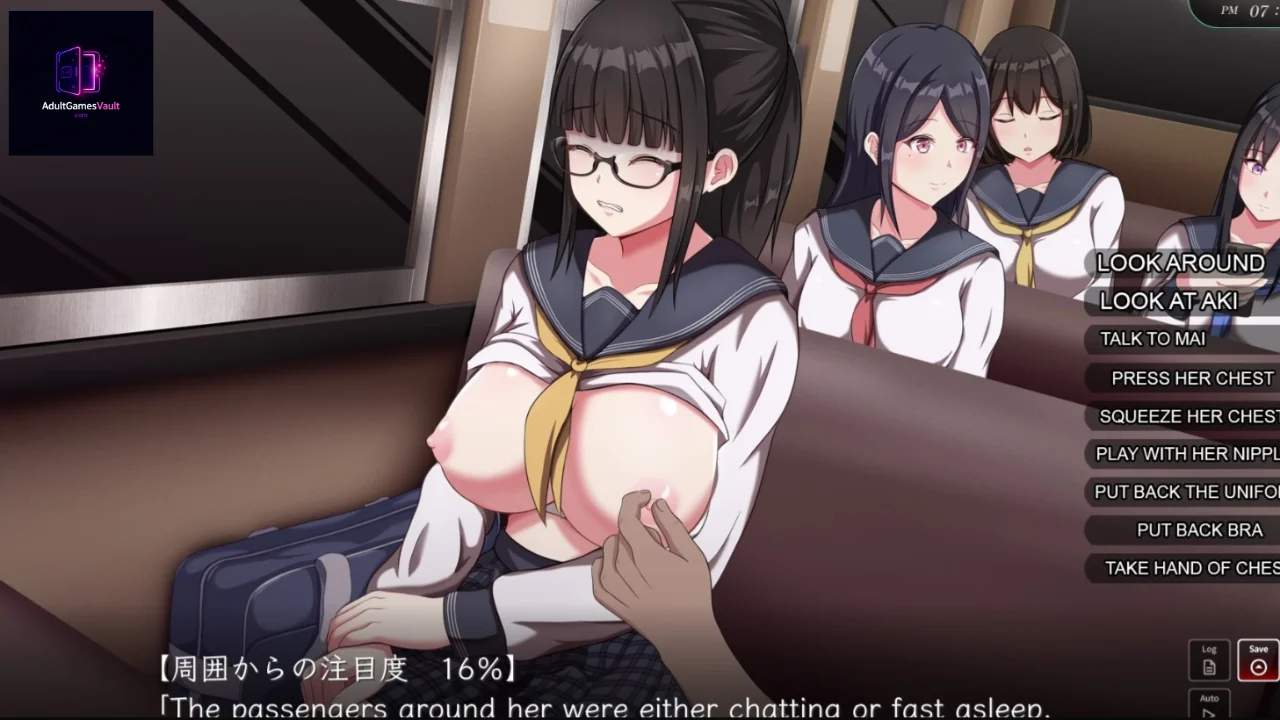
With the release of Urge to Molest Remake in 2010, the series shifted its focus toward modernization. Rather than creating an entirely new sequel, this version revisits the original game while refining its mechanics and presentation.
The most noticeable changes include cleaner visuals, smoother interface design, and more responsive gameplay systems. While the core concept remains unchanged, the overall experience feels more polished and accessible.
The remake also improves gameplay flow by reducing unnecessary downtime between interactions. This creates a more consistent rhythm, allowing tension to build naturally without feeling overly slow or repetitive.
For players interested in experiencing the franchise today, Urge to Molest Remake is often considered the easiest entry point due to its improved usability and more refined pacing. You can read our Urge to Molest Remake review for a deeper look at how this updated release modernizes the classic formula while keeping the original identity intact.
Overall Review & Summary
After reviewing the three main entries, the Urge to Molest series clearly stands out as a niche adult game franchise built around tension rather than narrative depth. Its appeal comes from timing, pressure, and mechanical repetition, not from complex storytelling or modern presentation.
| Feature | The Good | The Bad |
| Story & Theme | The public-setting concept creates a tense and instantly recognizable identity. | The premise is highly controversial and will not appeal to many players. |
| Gameplay | Timing-based mechanics make each action feel risky and deliberate. | Repetition can become tiring, especially in longer sessions. |
| Visuals & Audio | Simple presentation keeps the focus on gameplay tension. | Dated visuals and limited animation show the series’ age clearly. |
| Adult Content | Integrated directly into the core progression system. | The theme is extreme and niche, making it unsuitable for players who prefer romance-driven adult games. |
What makes the series memorable is its commitment to one specific gameplay idea. It does not try to become a grand visual novel, a strategy RPG, or a character-heavy dating sim. Instead, it focuses entirely on creating pressure through observation, timing, and risk.
At the same time, that narrow focus is also its biggest weakness. Players who enjoy variety, story development, or polished modern systems may find the experience repetitive. The franchise is best understood as a product of its era: mechanically simple, visually dated, but surprisingly effective at building tension.
Community Feedback
Community discussion around the Urge to Molest series is usually mixed but very specific. Players who enjoy the franchise often praise its tension-based gameplay and arcade-like structure. They appreciate that the games are easy to understand but difficult to optimize, especially when timing windows become stricter.
The most common praise is that the series creates a strong sense of pressure despite using very simple mechanics. Instead of relying on complicated menus or long dialogue scenes, it forces players to pay attention to patterns, timing, and environmental reactions.
However, criticism is just as common. Many players point out that the gameplay can become repetitive quickly, especially in the original release. The limited setting and narrow progression loop may feel restrictive compared to more modern adult games with branching stories or larger character systems.

Another frequent complaint is the dated presentation. The visuals, interface, and pacing clearly reflect the period in which the games were released. For some players, this adds retro charm. For others, it makes the series harder to revisit today.
Overall, the community tends to view Urge to Molest as a controversial but recognizable niche franchise. It is not widely praised for emotional storytelling or production value, but it remains memorable because of how focused and unusual its gameplay loop is.
Conclusion
The Urge to Molest series is a highly niche franchise that built its identity around pressure, timing, and risky progression. Across Urge to Molest, Urge to Molest If, and Urge to Molest Remake, the series refined a simple but distinctive formula without ever moving too far from its original concept.
The first game established the foundation, Urge to Molest If added more flexibility and unpredictability, while Urge to Molest Remake polished the experience for players who wanted a smoother version of the original. Together, these entries form a compact but memorable series within classic adult gaming history.
It is not a franchise for everyone. The premise is controversial, the gameplay is repetitive, and the visuals are dated by modern standards. However, for players interested in retro adult games with arcade-style tension and system-driven progression, the series still has a recognizable place in the genre.
In the end, Urge to Molest remains memorable not because it is large or technically advanced, but because it commits fully to one uncomfortable, high-pressure idea and builds an entire gameplay loop around it.