
 Games
Games Game Series
 Guide
Guide
 简体中文
简体中文 हिन्दी
 한국어
한국어 Tiếng Việt
 ไทย
ไทยIf you enjoy anime-style simulation games that focus on interaction and detailed environments, PlayHome is one of the most recognizable titles developed by Illusion. Unlike many sandbox games that take place in large worlds, PlayHome keeps the experience centered inside a fully interactive house environment.
In the game, players can create anime-style characters and place them into different rooms of a detailed home setting. From there, they can experiment with various interactions, animations, and scenarios using the game’s flexible simulation system.
Thanks to its detailed environments and wide range of interactions, PlayHome became one of Illusion’s most popular simulation titles and laid the groundwork for later games like Honey Select and Koikatsu.
The Story of PlayHome
Unlike traditional RPGs, PlayHome does not focus on a complex or scripted storyline. Instead, the game centers around everyday interactions between characters inside a detailed house environment.
Players take control of characters placed within a modern home setting, where different situations and interactions can unfold depending on how the player chooses to guide the experience. Rather than following a fixed narrative, the game encourages players to create their own scenarios and explore different possibilities.
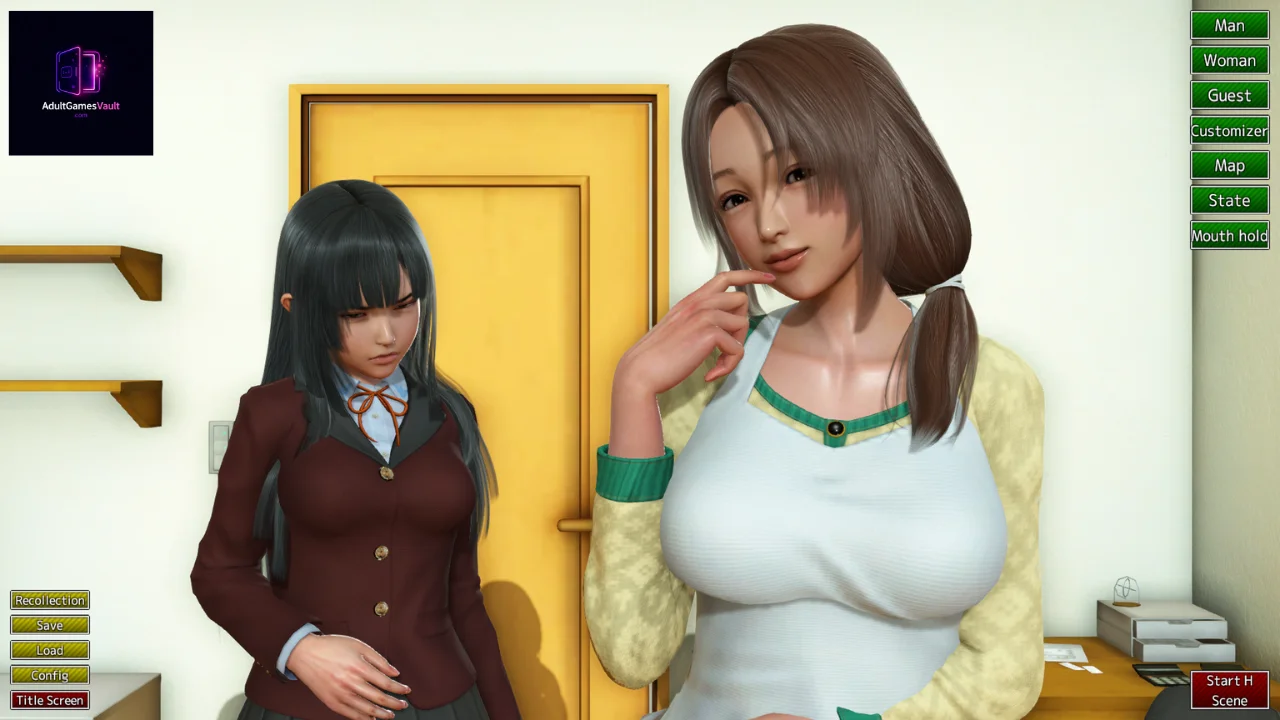
As characters move between rooms such as the living room, bedroom, bathroom, and kitchen, various interactions and events can occur. These moments are not part of a linear story but instead form small situational scenes that players can experiment with and control.
Because of this design, PlayHome functions more like a sandbox simulation than a story-driven game. The focus is on creativity and interaction, allowing players to shape their own experiences within the game’s detailed home environment.
PlayHome Gameplay
The gameplay of PlayHome focuses on character interaction and environmental simulation within a detailed house setting. Instead of exploring large maps or completing missions, players spend most of their time experimenting with different interactions between characters inside various rooms of the house.
One of the core features of the game is its character creation system. Players can design anime-style characters by adjusting facial features, hairstyles, outfits, and body proportions. This allows players to create unique characters before placing them into the house environment.
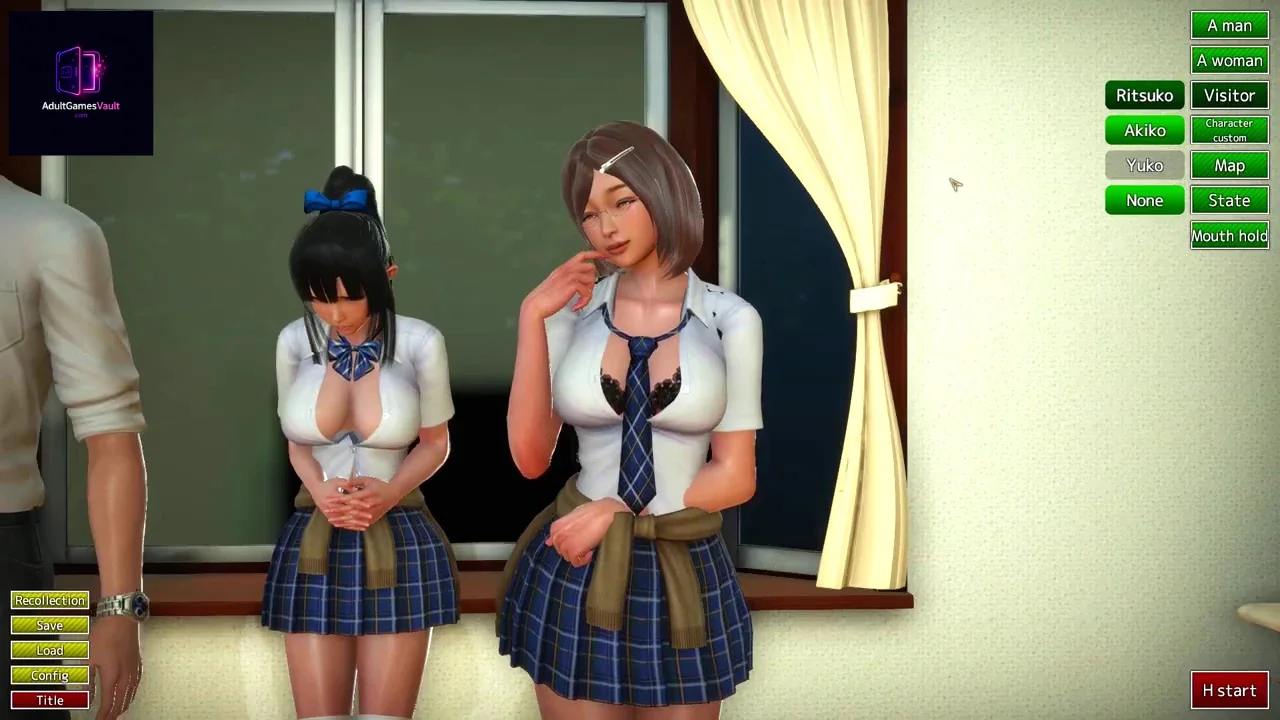
Once inside the house, players can move characters between different rooms such as the living room, bedroom, bathroom, and kitchen. Each location contains interactive objects that allow characters to perform different actions or trigger specific animations.
Another key feature is the scene control system, which allows players to control poses, animations, camera angles, and lighting. This gives players the ability to create custom scenes and experiment with different character interactions.
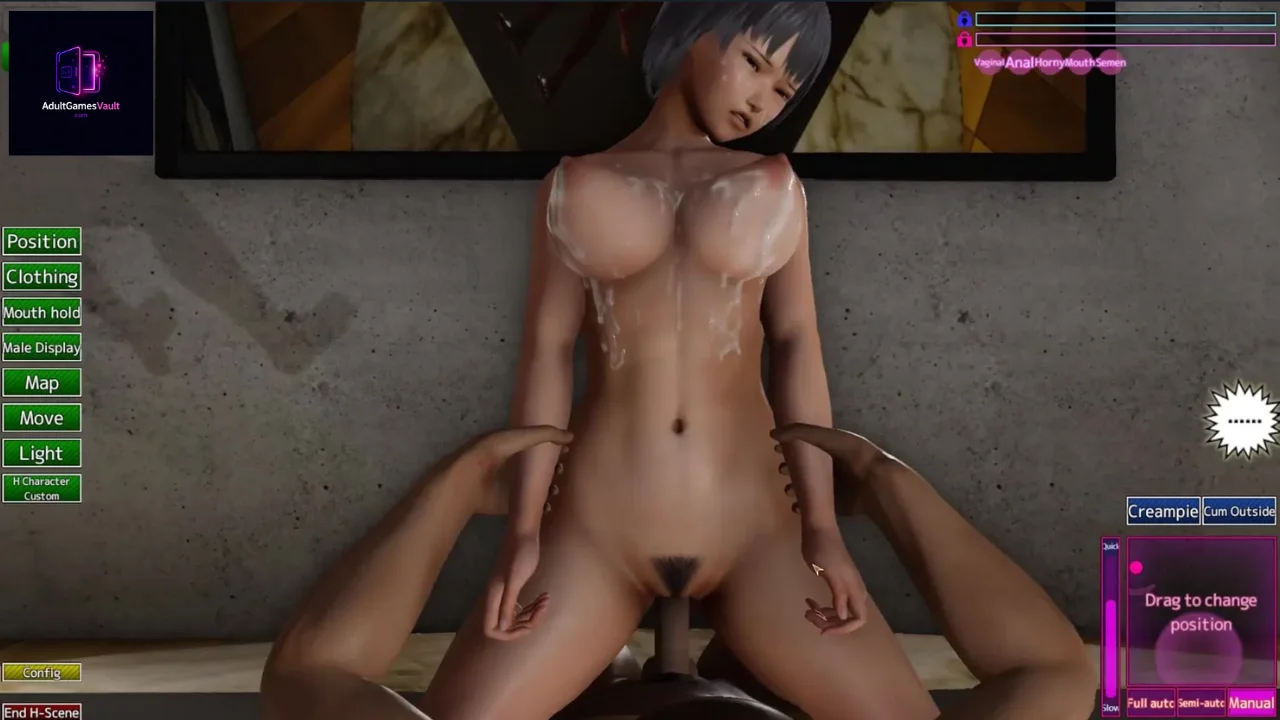
Overall, the gameplay of PlayHome emphasizes sandbox-style interaction and creative freedom, allowing players to explore various situations and create their own experiences within a detailed indoor environment.
PlayHome Review and Community Feedback
After its release in 2017, PlayHome quickly gained attention among fans of anime-style simulation games developed by Illusion. While the game is smaller in scale compared to later Illusion titles, many players appreciate its detailed indoor environments and smooth character interaction system.
One of the most commonly praised aspects of PlayHome is the animation system. Compared to some earlier Illusion games, PlayHome introduced more natural character movements and interactions with objects inside the house. Players often mention that the animations feel smoother and more immersive within the home environment.
Another highlight frequently mentioned by the community is the environment design. The game features a highly detailed house with multiple rooms, including a living room, bedroom, bathroom, and kitchen. Each room contains interactive objects that allow characters to perform different actions, making the environment feel more dynamic.
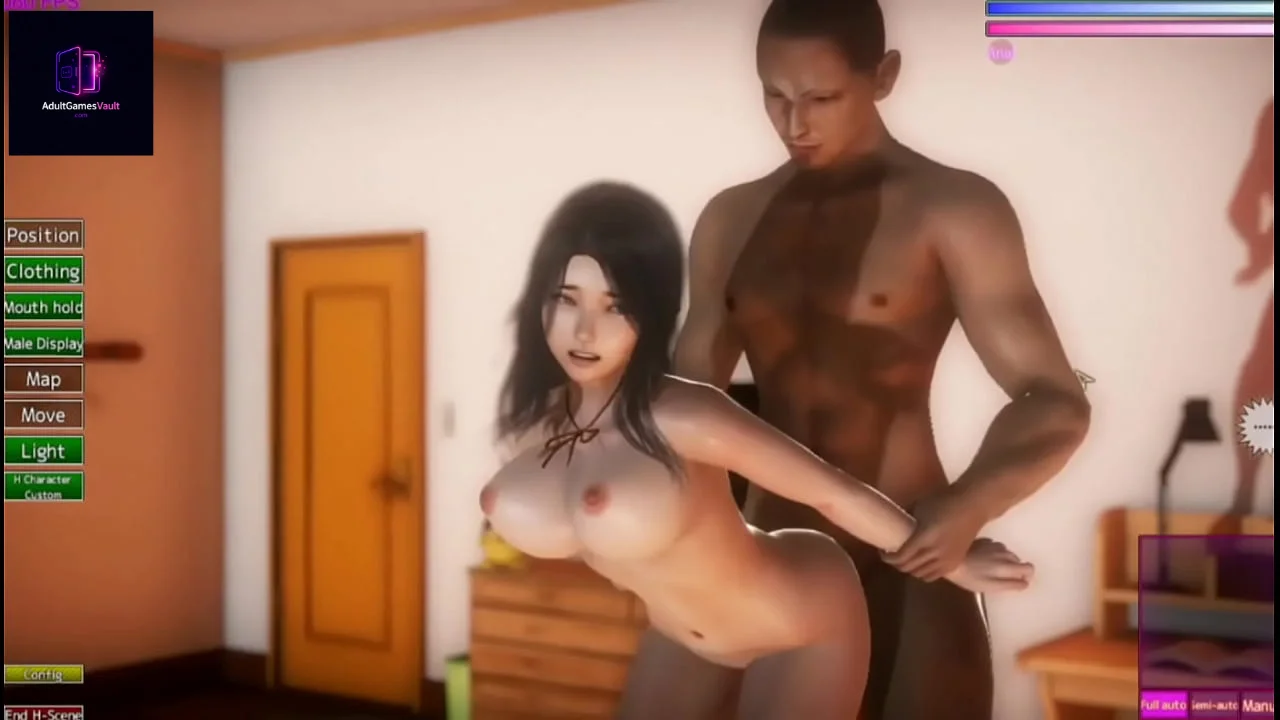
The modding community also played a significant role in extending the life of the game. Over time, players created a wide range of mods that add new clothing, characters, animations, and environments. These additions allow players to expand the experience far beyond the original content.
However, some players note that the game offers limited gameplay progression compared to other Illusion titles like Honey Select or Koikatsu. Because PlayHome focuses primarily on sandbox interaction within a single house environment, the experience may feel repetitive for players who prefer larger worlds or structured gameplay.
Overall, community feedback generally views PlayHome as a solid sandbox simulation that helped establish many of the interaction systems later used in Illusion’s future games. Its detailed environment, flexible interaction mechanics, and strong mod support helped it remain popular among fans of anime-style simulation games.
System Requirements for PlayHome
Before installing PlayHome, it’s important to ensure your PC meets the hardware specifications listed on the official store pages. Because the game uses 3D character models, physics-based animations, and detailed indoor environments, it requires a moderate gaming PC to run smoothly.
| Component | Minimum Requirements | Recommended Requirements |
| Operating System | Windows 7 / 8 / 10 (64-bit) | Windows 10 (64-bit) |
| Processor | Intel Core i3 or equivalent | Intel Core i5 or higher |
| Memory (RAM) | 4 GB RAM | 8 GB RAM |
| Graphics | NVIDIA GeForce GTX 560 / AMD equivalent | NVIDIA GTX 960 or better |
| DirectX | Version 11 | Version 11 |
| Storage | Around 10 GB available space | 10 GB available space |
Overall, PlayHome is not a very demanding PC game compared to modern 3D titles. Most mid-range PCs can run the game without major issues. However, performance may vary depending on the number of characters, animations, and mods being used in a scene.
For players who plan to install many community mods or create complex scenes, having 8 GB of RAM and a stronger GPU can help improve performance and ensure smoother gameplay.
Conclusion
Overall, PlayHome offers a simple yet highly interactive sandbox experience built around character interaction and detailed indoor environments. While the game does not focus on a deep storyline or large open worlds, it provides players with a flexible simulation system that encourages experimentation and creativity.
One of the biggest strengths of PlayHome is its animation and environment design. The detailed house setting, combined with a wide range of interactions and smooth character movements, helps create a more immersive simulation experience inside a compact space.
Thanks to its strong modding community and flexible scene creation tools, PlayHome continues to remain relevant among fans of anime-style simulation games. For players who enjoy character-driven sandbox gameplay and interactive environments, the game still stands as one of the memorable titles developed by Illusion.