
 Games
Games Game Series
 Guide
Guide
 简体中文
简体中文 हिन्दी
 한국어
한국어 Tiếng Việt
 ไทย
ไทยLovecraft Locker: Tentacle Lust is a casual strategy game associated with Strange Girl Studios and publicly listed as a 2022 PC release on third-party game databases. Public descriptions frame it around a locker-based stealth/timing concept, where the core appeal comes from watching patrol patterns, choosing the right moment to act, and gradually unlocking more content rather than exploring a big world or building a deep RPG system.
What makes the game stand out is its very simple, recognizable hook. Instead of trying to be a broad simulation or story-heavy visual novel, it appears built around a compact gameplay idea: a tentacle creature hidden in lockers, waiting for opportunities to strike. That gives it a more arcade-like identity, where timing and repetition matter more than long-form progression.
It is also worth noting that the title’s public footprint today is a bit split. The older Tentacle Lust name is mostly visible through database/archive-style pages, while the more clearly documented Steam release from the same studio is Lovecraft Locker: Tentacle Hell from 2024. That suggests Tentacle Lust is best understood as the earlier version or earlier public identity tied to the concept.
With its mix of simple strategy timing, locker-based ambush gameplay, and a compact replay loop, Lovecraft Locker: Tentacle Lust looks like a niche title for players who enjoy small-format games built around one very specific mechanic.
If you want to see that familiar locker-based formula with a cleaner and more visually polished presentation, Lovecraft Locker 2: Tentacle Breach is a great follow-up—offering a cuter, more refined look while staying close to the core gameplay identity of the series.
Loved this addictive arcade game? See how the school environments expand in our complete guide to the Lovecraft Locker series.
The Story of Lovecraft Locker: Tentacle Lust
Lovecraft Locker: Tentacle Lust does not appear to be built around a deep, traditional storyline. Instead, the game uses a simple setup to support its core gameplay idea: a hidden tentacle creature lurks inside school lockers, waiting for the right moment to strike while students move through the halls unaware.
Because of that structure, the “story” is less about a long narrative arc and more about the scenario itself. The setting turns an ordinary school environment into something strange and predatory, with the contrast between everyday routine and hidden danger becoming the main source of the game’s identity.
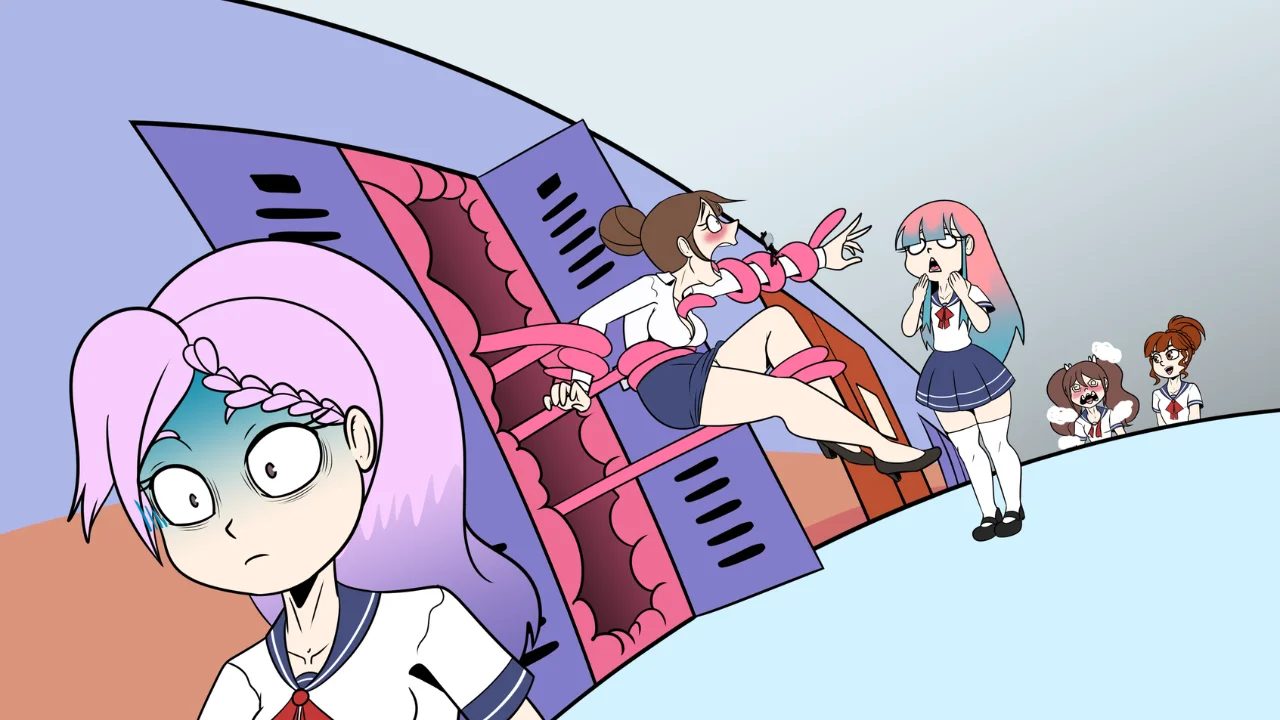
Rather than focusing on character development or large worldbuilding, the game seems designed around short, repeatable encounters where the atmosphere comes from secrecy, timing, and the absurdity of the premise. In that sense, the narrative works more like a framework for the gameplay loop than a full plot-driven experience.
Overall, Lovecraft Locker: Tentacle Lust tells a minimalist scenario-driven story, where the locker, the school setting, and the hidden creature are the main elements that create its bizarre and recognizable tone.
Lovecraft Locker: Tentacle Lust Gameplay
The gameplay of Lovecraft Locker: Tentacle Lust appears to revolve around a simple stealth-and-timing loop rather than combat, exploration, or traditional RPG progression. Public descriptions frame it as a casual strategy game, which suggests that the core challenge is about watching movement patterns, choosing the right moment to act, and avoiding failure through timing rather than mastering deep systems.
At the center of the experience is the locker-based ambush mechanic. The game’s identity seems built almost entirely around hiding inside lockers and waiting for opportunities as characters move nearby. That gives it a more arcade-like rhythm, where success depends on quick judgment and repetition rather than long-form planning.
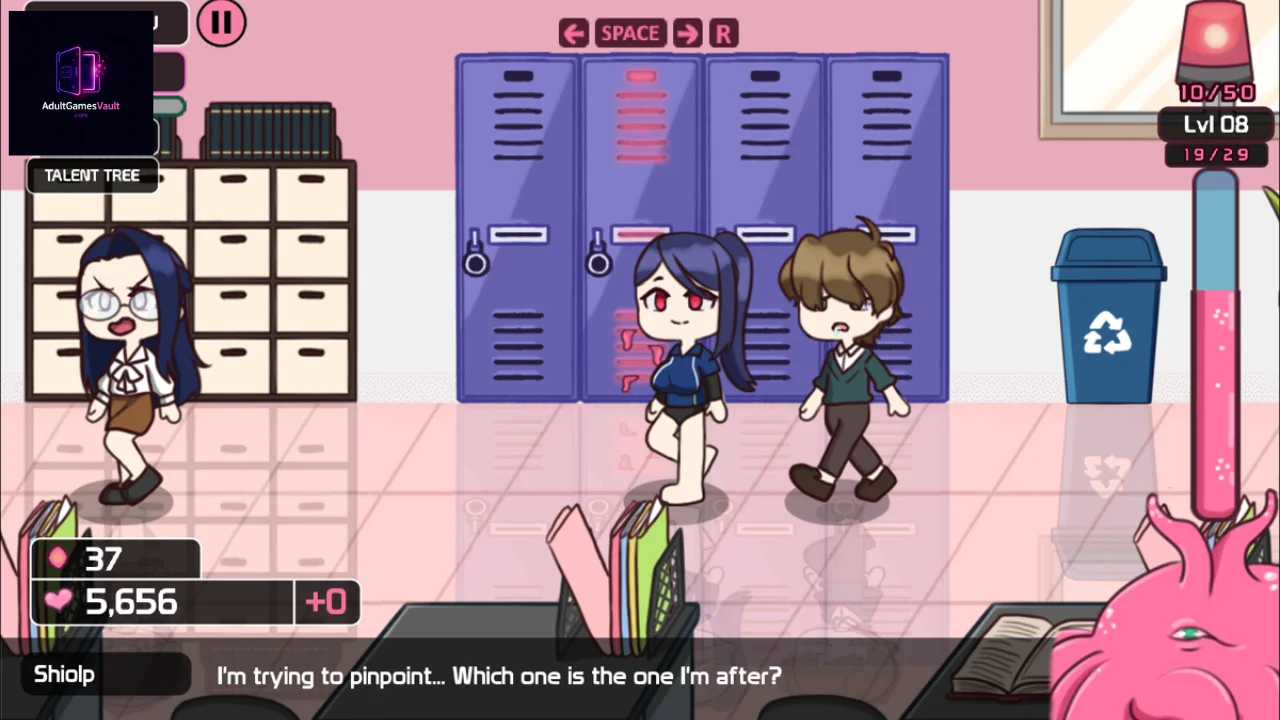
The game also likely uses a short-session progression structure. Since titles like this are usually built around repeatable encounters and incremental unlocks, the appeal probably comes from gradually improving performance, unlocking additional content, and learning how to handle the game’s patterns more efficiently over time.
Because the entire experience is built around one very specific gimmick, the gameplay seems intentionally compact and focused. It is not trying to be a giant sim or a broad strategy game. Instead, it leans on a single recognizable mechanic and turns that into the full loop of play.
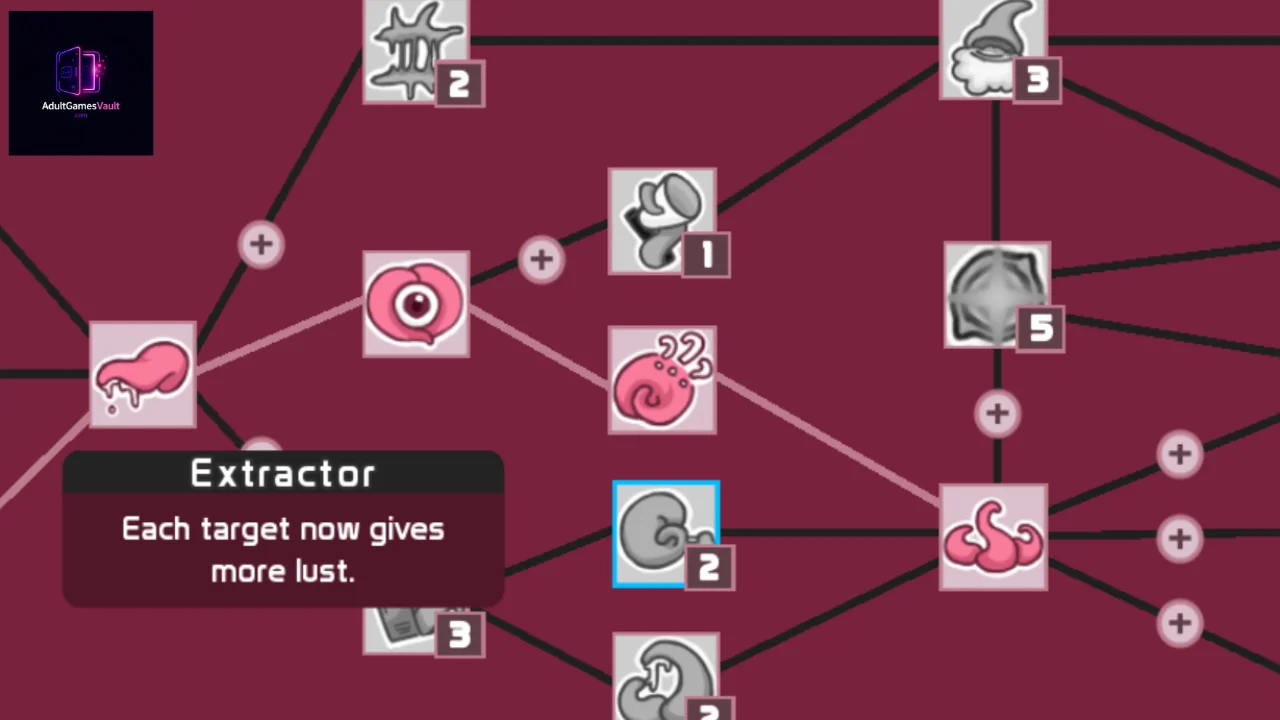
Overall, Lovecraft Locker: Tentacle Lust looks like a small-format casual strategy title built around timing, locker-based stealth interaction, and short repeatable gameplay loops, making it most suitable for players who enjoy simple games with a highly specific hook.
Lovecraft Locker: Tentacle Lust – Review and Community Feedback
Public feedback for the older Tentacle Lust version is pretty thin, so the clearest community signal comes from how players reacted to the later Steam release, Lovecraft Locker: Tentacle Hell, which appears to be the more visible public version of the same core concept from Strange Girl Studios. That Steam release has a mostly negative / mixed reception, with trackers placing it around 38–39% positive from about two dozen reviews.
The biggest likely strength of the series is still its immediately recognizable concept. The idea of a tentacle creature hidden in lockers creates a very specific stealth-and-timing gameplay hook, and the official Steam page for Tentacle Hell still presents it as a casual strategy game built around infecting lockers and capturing targets at the right moment. That kind of simple, readable gimmick is probably why the concept became noticeable in the first place.
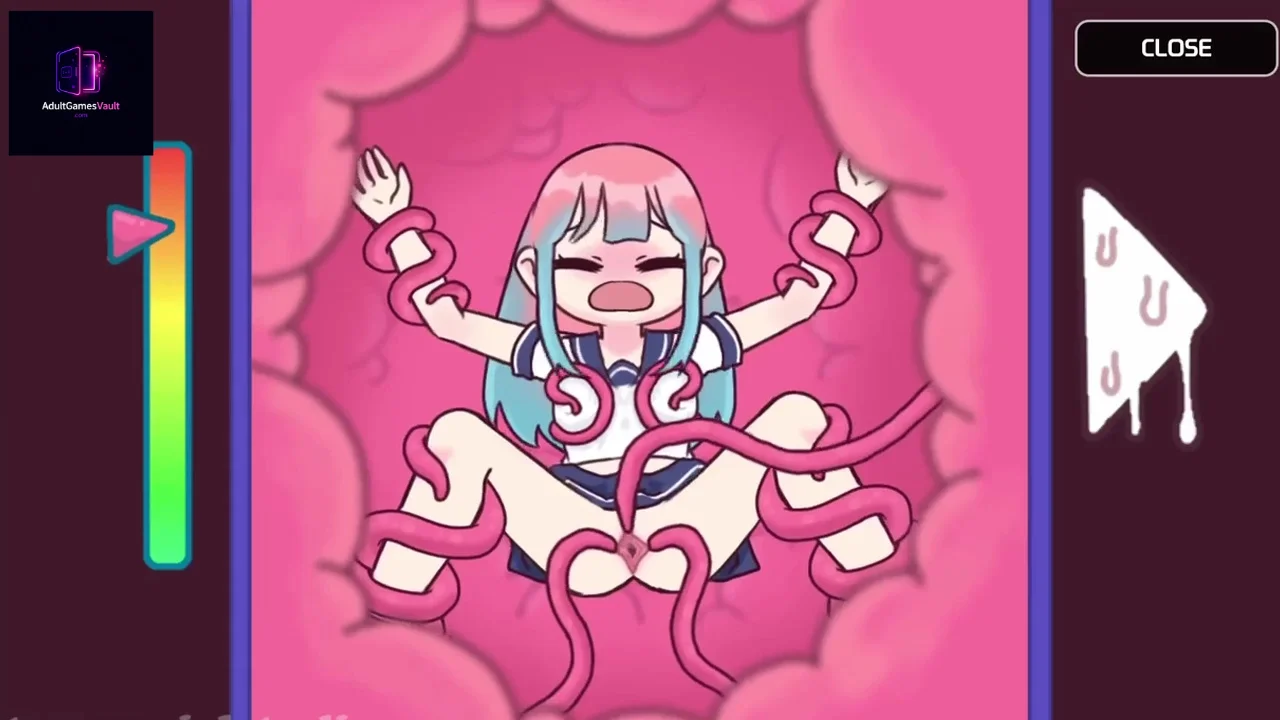
At the same time, the clearest criticism from public user feedback is that the gameplay can feel too repetitive and too small in scope. One top-rated Steam review for Tentacle Hell describes it as “quite boring and small,” saying the levels feel too similar and that progression amounts mostly to collecting points to unlock the gallery. Even if that review is for the later Steam version, it is still relevant because it targets the same underlying gameplay formula rather than some completely different genre.
So the overall read is pretty consistent: the Lovecraft Locker concept works best as a small, gimmick-driven casual strategy game. Players who enjoy short-session timing games with a very specific hook may still find it appealing, but players looking for variety, depth, or long-term replayability are more likely to bounce off it. Based on the available public footprint, that seems to be the main dividing line in reception.
System Requirements for Lovecraft Locker: Tentacle Lust
Before installing Lovecraft Locker: Tentacle Lust, it’s worth noting that the game appears to be a small-scale casual strategy title, so its hardware demands are fairly modest by modern PC standards. The clearest public requirements table currently available lists both minimum and recommended specs for Windows.
| Component | Minimum Requirements | Recommended Requirements |
| Operating System | Windows 7 / 8 / 10 | Windows 10 |
| Processor | Intel Core i3 | Intel Core i5 |
| Memory (RAM) | 4 GB RAM | 8 GB RAM |
| Graphics | NVIDIA GeForce GTX 660 | NVIDIA GeForce GTX 970 |
| Sound | DirectX compatible sound card | DirectX compatible sound card |
| Storage | 2 GB available space | 2 GB available space |
Based on those specs, Lovecraft Locker: Tentacle Lust falls into the low requirement range. It is much easier to run than a modern 3D action game, and most PCs with an older dedicated GPU should be able to handle it without much trouble.
There is no official macOS or Linux version listed in that same public requirements source, though it notes that some users have tried workarounds such as emulation, Boot Camp, Proton, or Wine. Those setups are less predictable, so Windows remains the safest platform if you want the most straightforward experience.
Conclusion
Overall, Lovecraft Locker: Tentacle Lust works best as a small, gimmick-driven casual strategy game built around locker-based ambush timing, short repeatable sessions, and a very specific core concept. It is not the kind of title that tries to offer deep worldbuilding, complex systems, or a huge amount of content. Instead, its appeal comes from how quickly and clearly it establishes its mechanic.
One of its biggest strengths is that recognizable gameplay hook. The locker stealth idea is unusual enough to make the game memorable right away, and for players who enjoy compact games built around one central mechanic, that can be enough to carry the experience for a while.
At the same time, the biggest likely weakness is limited long-term depth. As the broader Lovecraft Locker concept has shown in public feedback, the formula can start to feel repetitive if a player wants more variety, stronger progression, or a larger gameplay scope.
For players looking for a short casual strategy game with a bizarre, highly specific premise and simple timing-based play, Lovecraft Locker: Tentacle Lust stands out as a niche title that is easy to understand and easy to approach, even if it may not hold everyone for the long term.
And if you’re looking for a more demanding version with a harsher setting and higher overall difficulty, Lovecraft Locker: Tentacle Hell is the better next step.