
 Games
Games Game Series
 Guide
Guide
 简体中文
简体中文 हिन्दी
 한국어
한국어 Tiếng Việt
 ไทย
ไทยIris Chronicle is a fantasy RPG from Oiran Ichimi that appears to build on ideas from the older Iris Action project, with players and community posts describing it as a long-awaited follow-up or remake-style evolution that finally arrived after years of development. Public community references also point to the game’s DLsite release and its long wait within niche RPG circles.
Available public references describe the game as an anime-style RPG with an isekai-like setup and traditional progression structure, suggesting a character-driven fantasy adventure rather than a pure action game or visual novel. Release-related listings also identify it with English and Japanese language support and a September 28, 2024 release window, which helps place it as a newer doujin RPG title.
What seems to make Iris Chronicle stand out most is its identity as a bigger, more complete version of an older concept, giving it the feel of a project that tries to expand on a pre-existing foundation rather than starting from scratch. For players who enjoy niche fantasy RPGs with an anime presentation and a more classic progression focus, it looks like the kind of game that aims to deliver a fuller long-form adventure.
If you enjoy the fantasy adventure and character-driven progression in Iris Chronicle, then The Fairy Tale of Holy Knight Ricca: Two Winged Sisters is a great follow-up—offering a similarly anime-style fantasy setting with a strong focus on adventure, heroine-centered storytelling, and classic RPG progression.
The Story of Iris Chronicle
Public references around Iris Chronicle suggest the game is framed as a fantasy adventure with an isekai-like setup, which already gives it a different tone from a simple dungeon crawler or pure action RPG. Community descriptions and upload summaries consistently point to it as a longer-form RPG built around Iris and her journey through a new world, with the story carrying more weight than in a small arcade-style project.
What seems most notable is that Iris Chronicle is widely treated as an evolution of the older Iris Action rather than a completely disconnected new game. Community discussion describes it as a sequel-of-sorts or a turn-based RPG remake that reuses and expands on ideas from the earlier title, which suggests the story is also meant to feel like a fuller, more complete reworking of that original concept.
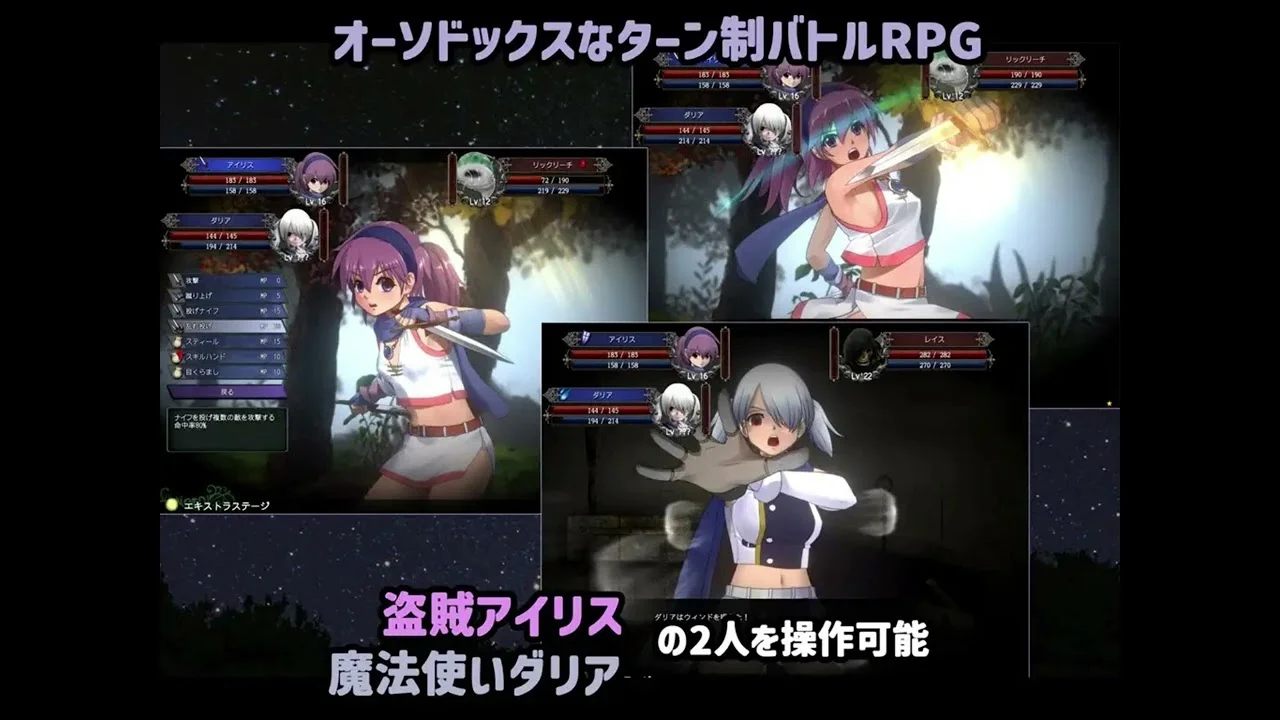
Because the public footprint is still fairly niche, the story is best understood as a character-driven fantasy journey rather than a heavily documented mainstream narrative. The general impression is that the game centers on Iris’s progression through a larger adventure, with worldbuilding and character events taking a more important role than they did in the older project.
Overall, Iris Chronicle looks like a story built around transportation into another world, character progression, and the expansion of an older fantasy premise into a more complete RPG narrative, making it feel more like a long-form adventure than a small experimental spin-off.
Iris Chronicle Gameplay
Iris Chronicle appears to be structured as a fantasy RPG with progression, exploration, and character-focused advancement rather than a pure action game. Since the game is often discussed as a bigger evolution of Iris Action, the gameplay likely shifts toward a more complete RPG format, with stronger emphasis on story flow, battles, and long-term growth instead of short arcade-style stages.
At the core of the experience is likely a traditional progression loop: exploring new areas, fighting enemies, improving Iris’s abilities, and gradually unlocking more of the adventure. That kind of structure fits the way the game is presented in community references—as a fuller remake-style project meant to expand an older concept into a more complete RPG.

Another important part of the gameplay is probably character growth and equipment progression. In games of this type, advancement usually comes from leveling up, improving stats, learning skills, and finding better gear, which helps make each new section of the game feel more rewarding and gives players a stronger sense of development over time.
The game also seems likely to lean into event-driven progression rather than pure free-roaming design. That would make sense for a fantasy RPG built around Iris’s journey, where story scenes, encounters, and key battles push the adventure forward while still leaving room for exploration and preparation.
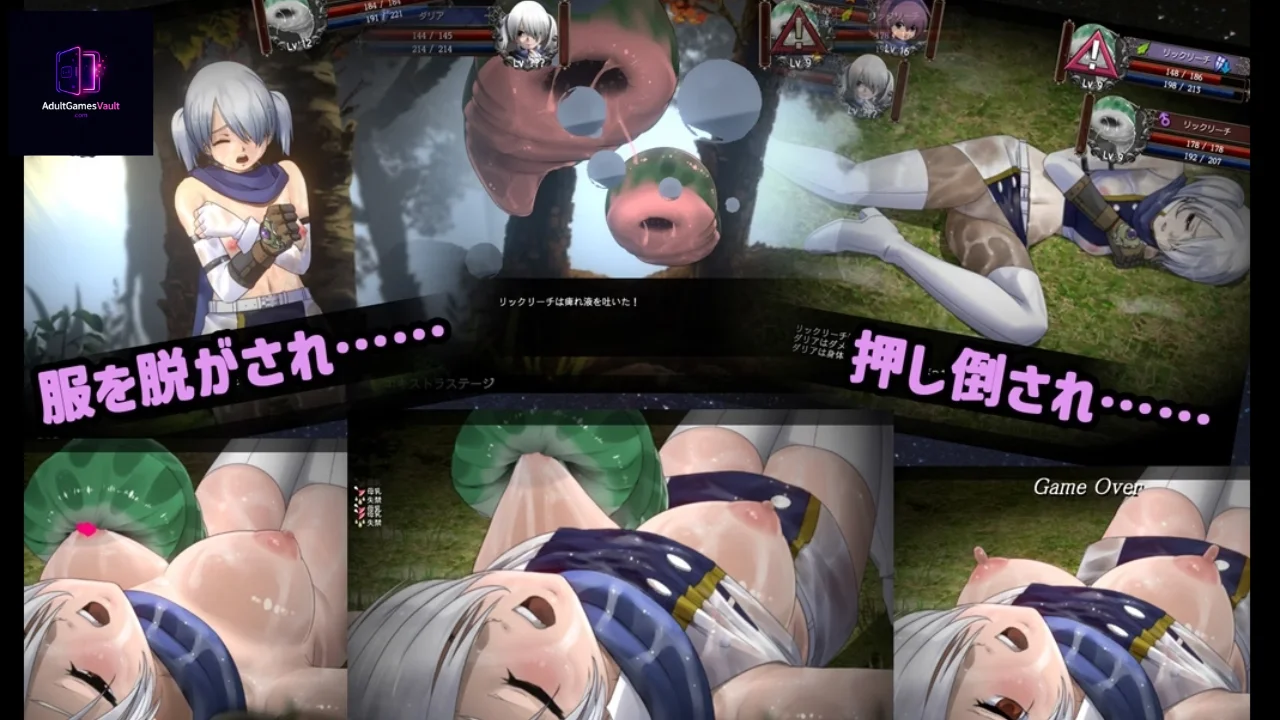
Overall, Iris Chronicle looks best understood as a story-driven fantasy RPG built around exploration, steady progression, and expanding an older action-based concept into a larger adventure, making it a good fit for players who prefer long-form RPG structure over pure action-focused gameplay.
Iris Chronicle Review and Community Feedback
Iris Chronicle seems most appealing to players who enjoy anime-style fantasy RPGs with a more traditional long-form structure. From the way it is discussed in niche communities, one of the biggest points of interest is that it feels like a larger, more complete evolution of Iris Action rather than just another small doujin release. That alone gives it a stronger identity, especially for players who had already been waiting years to see the concept return in a bigger RPG form.
One of the game’s likely strengths is its sense of expansion and scale. Compared to an older action-based prototype or smaller concept title, Iris Chronicle appears to lean more into story progression, broader RPG structure, and a fuller character journey, which makes it more attractive to players who prefer a complete fantasy adventure over a shorter arcade-style experience. Community references also frame it as a project people had been anticipating for a long time, which suggests that its release carried a certain amount of built-in goodwill from players familiar with the older title.
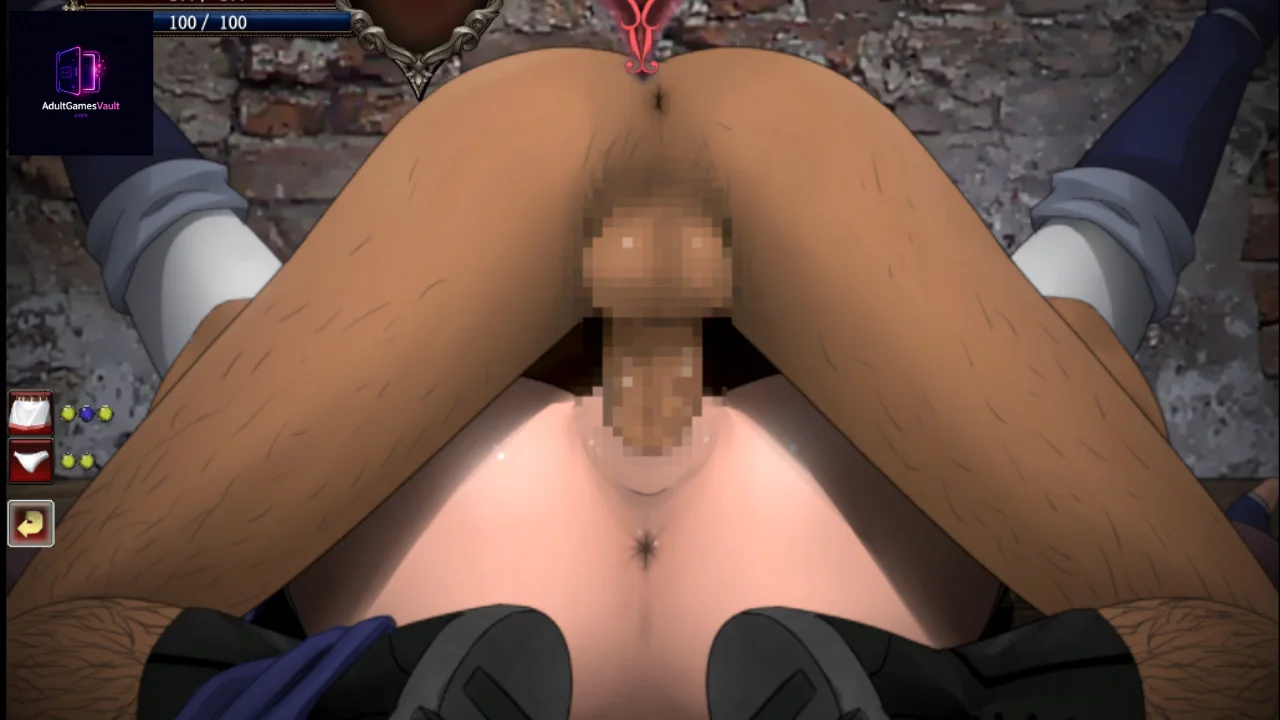
Another reason the game likely works for its niche is its clear old-school doujin RPG appeal. The combination of anime presentation, fantasy progression, and a more focused protagonist-centered journey tends to work well for players who enjoy games where the fun comes from steady growth, exploration, and seeing a familiar concept turned into something larger and more polished. In that sense, Iris Chronicle looks like the kind of title that benefits from player attachment to both the character and the project’s long development history.
At the same time, the game will probably feel more niche than broadly accessible. Since it is tied to an older doujin lineage and does not appear to have the kind of large public review footprint that major Steam RPGs enjoy, its strongest appeal is likely to players who already like smaller fantasy RPGs, remake-style follow-ups, or long-awaited project revivals. For players outside that audience, the hook may depend more on whether they enjoy traditional progression-focused RPG design than on name recognition alone.
Overall, Iris Chronicle comes across as a promising niche fantasy RPG whose appeal lies in being a bigger and more complete reworking of an older idea, with its strongest draw likely coming from players who enjoy character-driven progression and long-form doujin RPG adventures.
System Requirements for Iris Chronicle
I haven’t found a clear official public system-requirements table for Iris Chronicle in the sources I checked, so the setup below is best treated as a practical estimate based on its profile as a small-scale fantasy doujin RPG rather than a confirmed official spec sheet. Public references do support that it is a Windows PC release from Oiran Ichimi, launched around September 28, 2024, and presented as a fuller RPG follow-up to Iris Action.
| Component | Estimated Minimum Requirements | Safer Recommended Requirements |
| Operating System | Windows 7 / 8 / 10 | Windows 10 |
| Processor | Intel Core 2 Duo or equivalent | Intel Core i3 or higher |
| Memory (RAM) | 2 GB RAM | 4 GB RAM |
| Graphics | Integrated graphics | Any modern GPU |
| DirectX | Version 9.0c | Version 11 |
| Storage | Around 1–2 GB available space | 2 GB available space |
That estimate makes sense for the kind of game Iris Chronicle appears to be: a niche anime-style RPG built around progression and story, not a demanding large-scale 3D title. The public footprint around the game points more toward a classic doujin RPG structure than a hardware-heavy release.
Overall, Iris Chronicle should be treated as a low requirement fantasy RPG. Most modern laptops and entry-level PCs should be able to run it comfortably, assuming they already handle other lightweight indie RPGs without issue.
Conclusion
Overall, Iris Chronicle looks like a story-driven fantasy RPG that works best as a larger, more complete evolution of an older concept rather than a completely standalone mainstream release. Its biggest appeal comes from the combination of traditional RPG progression, anime-style presentation, and a longer-form adventure structure that seems designed to give Iris a fuller journey than earlier versions of the idea.
One of the game’s strongest points is its sense of expansion. Instead of feeling like a small experiment, it appears to aim for a more complete RPG experience built around exploration, character growth, and a stronger narrative presence. That gives it a nice niche for players who enjoy doujin-style fantasy RPGs with a more classic progression loop.
At the same time, Iris Chronicle is likely to appeal most to players who already like smaller fantasy RPGs, character-centered adventures, and long-awaited project follow-ups. It may not have the broad visibility of bigger RPG releases, but that niche identity is also part of its charm.
For players looking for a traditional anime fantasy RPG with steady progression and a more complete remake-style feel, Iris Chronicle stands out as an interesting and promising title.