
 Games
Games Game Series
 Guide
Guide
 简体中文
简体中文 हिन्दी
 한국어
한국어 Tiếng Việt
 ไทย
ไทยIn the world of classic adult simulation games, few titles are as controversial yet memorable as the Biko series. Developed during the early era of eroge experimentation, this franchise carved out its own identity by focusing on psychological control rather than traditional romance or conquest. Instead of epic battles or grand strategy, Biko places players in a confined, everyday environment—then slowly transforms it into something far more unsettling.
At its core, the series revolves around the concept of hypnosis. You take on the role of an ordinary student who gains access to a mysterious power, allowing you to influence the thoughts and actions of those around you. What begins as a simple mechanic quickly evolves into a layered system of manipulation, progression, and control, setting Biko apart from more straightforward adult games.
Compared to larger-scale titles like Sengoku Rance or the dark fantasy empire-building of VenusBlood, Biko feels far more grounded—but also more personal. The tension comes not from war or politics, but from how far players are willing to push their influence within a seemingly normal school setting.
Despite its dated visuals and relatively simple structure by modern standards, the Biko series remains a notable entry in the genre thanks to its unique premise and replay-driven design. In this complete review, we’ll break down the core mechanics, explore the evolution of each title, and see why Biko still holds a strange but lasting place in adult gaming history.
Core Features of the Biko Franchise
Before diving into each individual title, it’s important to understand what truly defines the Biko series. Unlike many adult games that rely on visual appeal alone, Biko builds its identity around a set of interconnected systems—each one reinforcing the theme of control, progression, and psychological influence.
School Setting & Psychological Narrative
One of the most distinctive elements of the Biko series is its grounded setting. Rather than placing players in a fantasy world or a large-scale conflict, the game unfolds within the familiar environment of a Japanese high school. Classrooms, corridors, and everyday routines create a sense of normalcy that contrasts sharply with the underlying mechanics of the game.
This grounded approach makes the experience feel more personal. The narrative doesn’t rely on dramatic external events—instead, it slowly builds tension through player choices. As interactions deepen, the tone gradually shifts, creating a subtle but effective psychological atmosphere that sets Biko apart from more action-driven titles.
However, the setting alone is only the surface. What truly drives the experience is the system that allows players to influence that world.
Hypnosis Gameplay System
At the heart of the Biko franchise lies its hypnosis mechanic—a system that replaces traditional combat or romance progression with something far more unconventional. Instead of fighting enemies or building relationships through dialogue alone, players gradually gain the ability to influence characters through suggestion.
Early in the game, this power feels limited and somewhat unreliable. But as players experiment and progress, new layers of interaction begin to unfold. This gradual expansion creates a sense of growth, where each successful action opens the door to more complex possibilities.
More importantly, the system encourages players to think ahead. Every decision contributes to a larger outcome, making the gameplay feel less like a linear story and more like a controlled simulation of cause and effect.
As players begin to understand this system, the next layer naturally comes into focus: how progression is structured around it.

Progression & Control Mechanics
Beyond its core mechanic, Biko introduces a structured progression system that blends simulation elements with visual novel storytelling. Time management plays a key role, with each in-game day offering limited opportunities to act.
Players must choose carefully—when to interact, when to wait, and when to push further. This creates a rhythm that feels deliberate rather than rushed. Over time, patterns begin to emerge, and players learn how to optimize their actions for better results.
The depth here doesn’t come from complexity alone, but from consistency. Every small decision builds toward a larger outcome, reinforcing the sense that control is something earned, not given.
Naturally, this progression system ties directly into how the game handles its mature elements.
Adult Content Integration (System-Based)
In the Biko series, adult content is not presented as a separate reward layer, but rather as an extension of the gameplay itself. Every interaction, every progression step, and every decision feeds into how the narrative unfolds.
Instead of focusing purely on explicit elements, the game emphasizes the process behind them—how influence is established, how control develops, and how different approaches lead to different outcomes. This integration makes each playthrough feel more cohesive, as the mechanics and narrative are closely intertwined.
Because of this design, the experience becomes less about isolated moments and more about the overall journey. And that journey naturally leads to one of the game’s strongest features: replayability.

Replayability & Multiple Outcomes
Thanks to its branching structure and layered systems, the Biko series offers strong replay value. It is nearly impossible to experience all possible outcomes in a single playthrough, as even small decisions can lead to different paths.
This encourages players to revisit the game with new strategies in mind. Over time, what initially feels like a simple simulation reveals itself as a deeper system of experimentation and optimization.
For many players, this is where the game truly shines. Each run becomes an opportunity to refine decisions, explore alternative routes, and uncover content that wasn’t visible before—turning repetition into discovery rather than routine.
The Evolution of the Series: Game-by-Game Breakdown
Now that we’ve explored the core systems that define the Biko experience, the next step is to see how those ideas evolved over time. While the series does not span as many entries as larger franchises, each installment plays a clear role in refining its mechanics and expanding player control.
Rather than radically reinventing itself, the Biko series follows a more incremental approach. Each new title builds upon the foundation of the previous one, improving usability, adding depth, and offering more flexibility in how players interact with the game world.
Biko (1999)

The original Biko serves as the foundation for everything that follows. At its core, it introduces the central concept of hypnosis-based gameplay within a school environment, combining elements of simulation and visual novel storytelling into a single, cohesive loop.
From a modern perspective, the game feels relatively simple. The interface is minimal, the available actions are limited, and progression can feel slow during the early stages. However, these limitations are also what make the system easy to understand. Players are gradually introduced to the mechanics, learning how timing, repetition, and decision-making affect outcomes.
More importantly, the first game establishes the identity of the series. It defines the tone, the pacing, and the structure that future entries would continue to build upon. For players interested in understanding the roots of the franchise, this is where everything begins.
Biko 2 (2001)
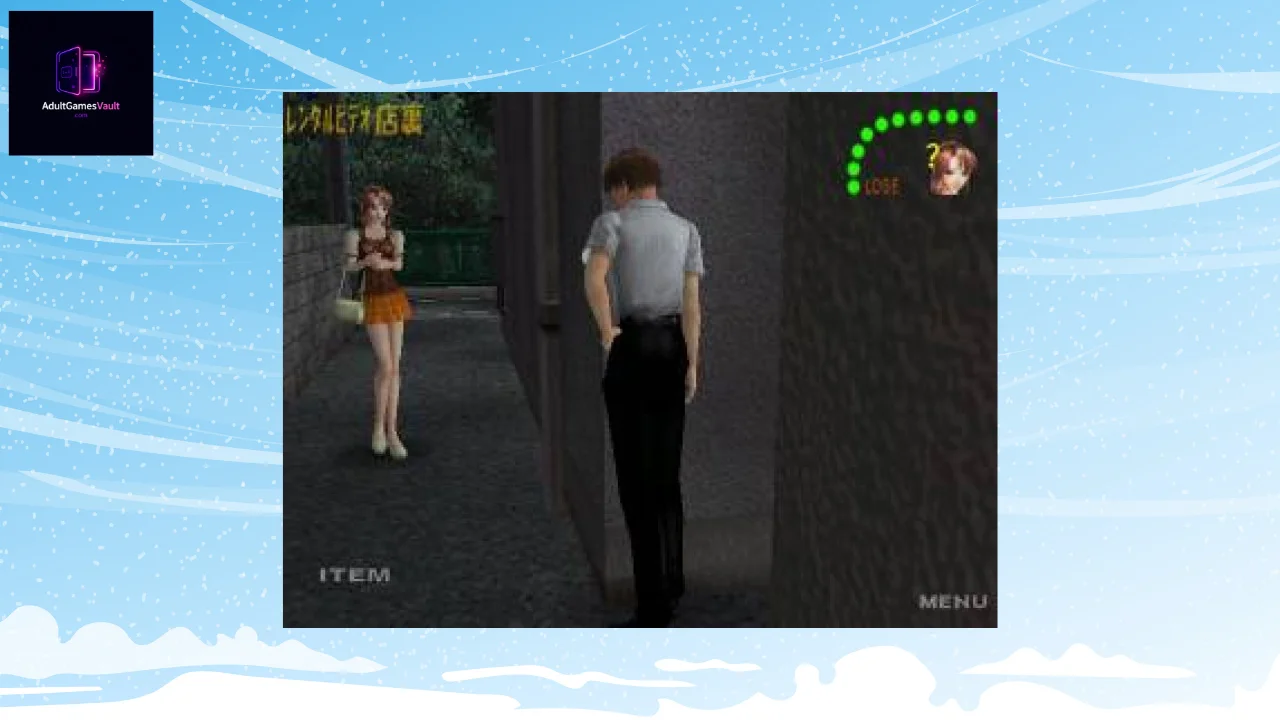
With the second installment, the series begins to expand its scope. While the core hypnosis mechanic remains unchanged, Biko 2 introduces more options, more characters, and a slightly more flexible progression system.
One of the key improvements lies in pacing. Actions feel more responsive, and players are given clearer feedback on their decisions. This makes it easier to experiment with different approaches, reducing some of the trial-and-error frustration present in the first game.
In addition, character interactions become more varied. Instead of following a narrow path, players can explore multiple routes, each with its own outcomes. This adds a layer of replayability that was only partially present in the original.
For many players, Biko 2 represents the point where the series starts to feel more complete. It retains the simplicity of the first game while offering enough depth to keep players engaged for longer sessions.
Biko 3 (2002)

By the time Biko 3 was released, the series had fully embraced its identity. This entry focuses on refining the experience rather than introducing entirely new systems, resulting in a more polished and balanced game overall.
The most noticeable improvement is in the level of control given to the player. Systems feel more interconnected, and progression becomes smoother. Instead of relying heavily on repetition, the game allows for more strategic decision-making, giving players greater freedom in how they approach each situation.
Another strength of Biko 3 is its consistency. The pacing, mechanics, and structure all work together more effectively, creating a more cohesive experience from start to finish. While it may not drastically change the formula, it represents the most refined version of it.
For those looking to experience the series at its peak, Biko 3 is often considered the strongest entry. It captures everything that defines the franchise while minimizing many of the rough edges found in earlier titles.
If you are looking for the peak experience of the franchise with the fewest rough edges, don’t miss our detailed breakdown of Biko 3—widely considered the most refined and balanced entry.
Overall Review & Summary
After looking at how the Biko series evolved across its three main entries, it becomes clear that the franchise is built on consistency rather than constant reinvention. Each title refines the same core idea—control through progression—resulting in a gameplay loop that becomes more polished over time rather than drastically different.
To better understand its strengths and limitations, here is a breakdown of the series across key aspects:
| Feature | The Good | The Bad |
| Story & Theme | A grounded school setting combined with psychological control creates a unique and memorable atmosphere. | The narrative is relatively minimal and may feel repetitive across playthroughs. |
| Gameplay | Simple to learn but gradually reveals deeper layers through experimentation and progression. | Can feel slow-paced and repetitive, especially in early stages. |
| Visuals & Audio | Clean visual novel presentation that fits the tone of the game. | Dated graphics and limited animation compared to modern titles. |
| Adult Content | Integrated directly into gameplay systems, making progression feel cohesive. | May not appeal to players looking for more traditional or story-driven experiences. |
What stands out most about the Biko series is its clarity of design. It knows exactly what it wants to be and builds every system around that idea. The gameplay loop is focused, structured, and intentionally repetitive—but for players who enjoy optimization and experimentation, that repetition becomes part of the appeal.
At the same time, the series does show its age. Modern players may find the interface basic and the pacing slower than expected. However, these limitations are balanced by a system that rewards patience and understanding, offering a different kind of engagement compared to more fast-paced or visually complex games.
This balance between simplicity and depth is also reflected in how the community responds to the series, which we’ll explore next.
Community Feedback
Despite being a relatively niche franchise, the Biko series has built a small but dedicated player base over the years. Discussions around the game often highlight how different it feels compared to more mainstream adult titles.
Many players appreciate the structured gameplay loop. The combination of time management, decision-making, and gradual progression creates a sense of control that feels rewarding once the system is fully understood. It’s common to see players mention that the game becomes significantly more enjoyable after the initial learning phase.
At the same time, one of the most frequent criticisms is repetition. Because the core gameplay relies heavily on repeated actions and optimization, some players may feel that progress is too slow or that the experience lacks variety over long sessions.

Another point often mentioned is the presentation. Compared to newer titles, the visuals and interface can feel outdated. However, for players who prioritize mechanics over presentation, this is usually seen as a minor drawback rather than a deal-breaker.
A recurring piece of advice from experienced players is to approach the game with patience. The systems are not difficult to understand, but they require time to fully appreciate. Once players begin to recognize patterns and optimize their choices, the experience becomes much more engaging.
With both its strengths and limitations in mind, the Biko series ultimately appeals to a very specific type of player—something that becomes clearer in the final conclusion.
Conclusion
The Biko series stands as a unique entry in the world of adult simulation games. Rather than relying on large-scale storytelling or complex visuals, it focuses on a simple but effective concept: gradual control through structured progression.
Across its three main titles, the series evolves by refining this idea rather than replacing it. From the foundational design of the original game to the more polished systems in Biko 3, each entry contributes to a cohesive experience that remains consistent in both tone and gameplay.
While it may not appeal to everyone—especially those looking for fast-paced action or modern presentation—it offers a distinct experience for players who enjoy methodical gameplay and system-driven progression. The appeal lies not in instant gratification, but in the process of learning, adapting, and optimizing each decision.
For those willing to invest the time, the Biko series provides a focused and memorable gameplay loop that continues to stand out within its niche. Even years after its release, it remains a recognizable example of how a simple idea, when executed consistently, can define an entire franchise.